
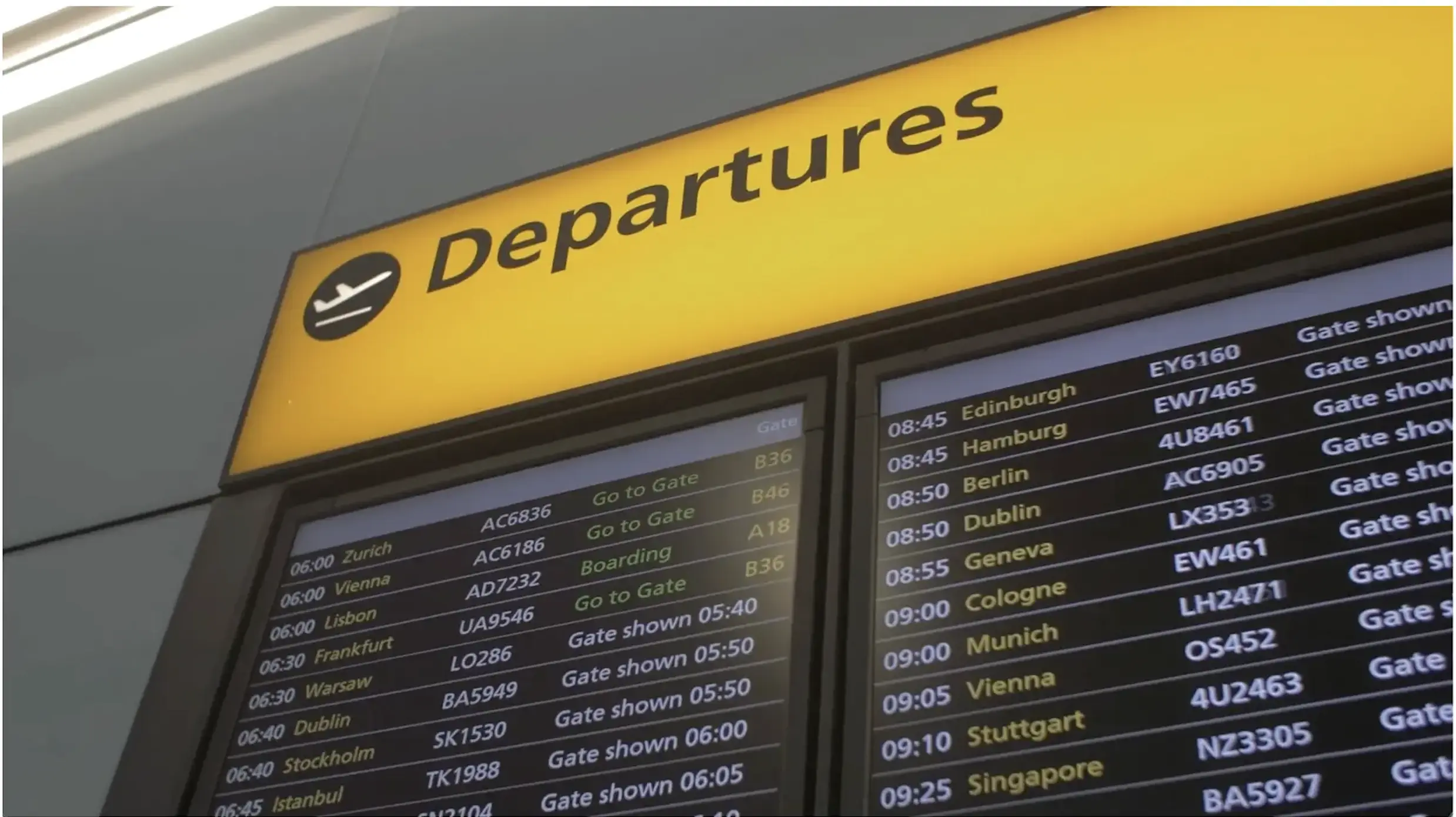
European travel this year has been plagued by a perfect storm of disruptions, leaving frustrated passengers facing delays, cancellations, and exorbitant prices.
Strikes
From airline and airport ground staff to railway workers, strikes have become increasingly common across the continent. Demands for higher wages to combat inflation and improved working conditions have led to widespread walkouts, grinding travel to a halt.
Staff shortages
The aviation industry, particularly airlines and airports, is grappling with severe staff shortages. The pandemic saw mass layoffs, and recruitment and training efforts have struggled to keep pace with the surge in travel demand. This has resulted in long queues at airports, baggage handling delays, and flight cancellations.
Soaring costs
Inflation has driven up the cost of travel significantly. Fuel prices have skyrocketed, impacting airlines' operating costs and leading to higher ticket prices. Accommodation, food, and transportation within destinations have also become more expensive, squeezing travelers' budgets.
The impact
These disruptions have had a profound impact on both travelers and the tourism industry. Frustrated passengers face significant inconvenience, missed connections, and ruined travel plans. The tourism sector, a major contributor to many European economies, faces a decline in revenue and a damaged reputation.
Looking ahead
Resolving these challenges requires a multifaceted approach. Addressing labor disputes, investing in staff training and recruitment, and finding sustainable solutions to rising costs are crucial steps towards restoring smooth and affordable travel across Europe.
This article provides a general overview of the travel disruptions affecting Europe and does not reflect any specific travel situation at a particular time. The situation may vary depending on the time of year and the region within Europe.