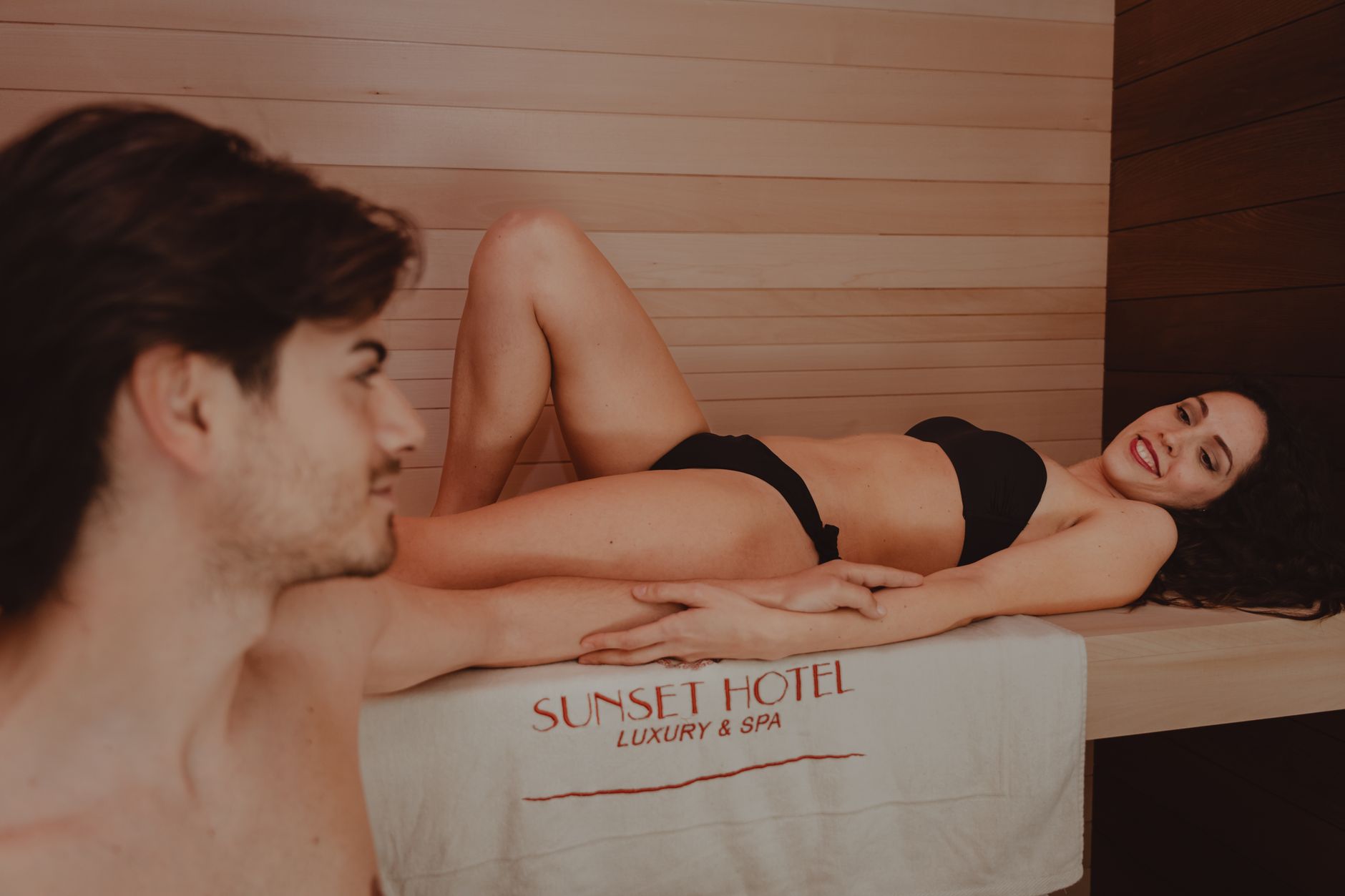
The hum of the city had become a constant, unwelcome companion. My inbox was a battlefield, my shoulders perpetually hunched, and the concept of "unplugging" felt like a mythical creature. I was burnt out, plain and simple. Desperate for a reset, I found myself scrolling through endless lists of "top luxury spas," each one gleaming with polished marble and exorbitant prices, yet somehow lacking the soul I craved. They all felt... familiar. Predictable. And often, packed with other stressed-out tourists just like me.
Then, a whispered conversation in a dimly lit Tbilisi wine bar changed everything. A local friend, catching me mid-sigh, leaned in. "You need to go where the real relaxation happens," she murmured, her eyes sparkling with mischief. "Not the tourist places. The ones we keep for ourselves."
That conversation ignited a quest. A mission to uncover the world's most luxurious, authentic, and utterly unexpected spa experiences – places so off the radar, so deeply embedded in local culture, that stepping into them feels like discovering a secret garden. These aren't just spas; they're sanctuaries where ancient traditions meet modern indulgence, where the landscape provides the soundtrack, and where the only crowds you'll encounter are the ones in your own blissful imagination.
I’ve scoured maps, followed cryptic local tips, and sometimes, just stumbled upon pure magic. And now, I’m sharing these precious secrets with you. Prepare to bookmark, to dream, and to book your next escape to these incredible luxury spas in destinations locals really don't want you to know about.
### 1. The Svanetian Secret: Geothermal Bliss in Georgia's Caucasus Mountains
Imagine towering, snow-capped peaks, ancient stone defense towers, and air so crisp it invigorates your very soul. This is Svaneti, Georgia – a region so dramatically beautiful, it feels like stepping into a medieval fairytale. Most tourists come for the trekking, but few realize the incredible secret hidden deep within its valleys: natural geothermal springs, harnessed by a handful of incredibly intimate, family-run guesthouses.
My discovery was purely accidental. After a grueling hike near Mestia, my guide, a stoic Svan named Giorgi, insisted we stop at a "friend's place" for recovery. What awaited me was Hotel Tetnuldi Spa, a modest name for an extraordinary experience. Tucked away in a small village, this isn't a flashy resort. It’s a beautifully renovated traditional Svan house, where the true luxury lies in its connection to the earth.
The spa itself is a series of private wooden cabins, each housing a stone-lined pool fed directly by piping hot, mineral-rich geothermal water bubbling up from below. The air was thick with steam and the faint scent of sulfur – a promise of healing. I chose the "Mountain Recovery" package (approx. ֏250 GEL / $90 USD), which included a 90-minute soak in my private pool, followed by a traditional Svan massage using local herbs and a potent, warming oil made from pine resin. As I floated, gazing out through a small window at the misty mountains, every ache, every stress, simply melted away. The water felt like liquid silk, and the silence was profound, broken only by the distant bleating of sheep.
Why locals love it:
It’s their ancestral remedy for everything from tired muscles to winter chills. It’s authentic, unpretentious, and deeply integrated into their way of life. They don't advertise it to tourists because they don't need to.
Tripsora Tip:
Book your stay at a guesthouse that offers private access to these springs. Ask your host about "Tskali" (water) and specific treatments. Don’t expect English menus; a little Georgian goes a long way, or simply point and smile! Combine it with a trek to Ushguli for an unforgettable cultural and wellness journey.
### 2. Moroccan Serenity Beyond Marrakech: The Sahara's Hidden Hammam
When most people think of Moroccan spas, their minds go straight to the bustling hammams of Marrakech or Fes. While those are wonderful, they’re often teeming with tourists. For a truly transformative, locally cherished experience, you need to venture deeper – to the edge of the Sahara, in a small oasis town like Nkob or Erfoud, far from the tour bus routes.
My journey led me to a small, family-run guesthouse near Nkob, called Kasbah Ennakhil. It wasn't advertised as a spa, but rather as a traditional Moroccan guesthouse. However, within its ancient walls, built from rammed earth and adorned with intricate Berber carvings, was a hammam that felt like a portal to another time. This wasn't a modern, tiled marvel, but a rustic, deeply authentic space. The heat was intense, the air thick with steam and the scent of eucalyptus.
The "Desert Detox" experience (approx. 700 MAD / $70 USD) began with a vigorous exfoliation using black soap and a kessa mitt, performed by a kind, wizened woman named Fatima. She didn't speak a word of English, but her hands communicated centuries of tradition. After rinsing, I was enveloped in rhassoul clay, sourced from the Atlas Mountains, left to dry and draw out impurities. The final touch was a delicate argan oil massage, leaving my skin impossibly soft and glowing. The entire ritual felt less like a treatment and more like a sacred cleansing. Afterward, sipping mint tea under a canopy of stars, the desert silence was the most profound luxury of all.
Why locals love it:
These hammams are a weekly ritual, a social gathering, and a vital part of their hygiene and wellness. They're not a luxury; they're a way of life. The intimate, uncommercialized nature of these desert hammams is something they guard fiercely.
Tripsora Tip:
To find these local gems, stay at a traditional kasbah or guesthouse in smaller towns like Nkob, Tinghir, or Erfoud. Ask your host if they have a "hammam beldi" (traditional hammam) or can arrange a visit to a local one. Be prepared for a no-frills, deeply authentic experience. Embrace the silence and the heat.
### 3. The Romanian Revival: Thermal Springs in the Carpathian Foothills
Romania's Baile Herculane, nestled in the dramatic Cerna Valley of the Carpathian Mountains, boasts a history of thermal bathing that dates back to Roman times. Emperor Franz Joseph I and Empress Sisi of Austria-Hungary were regular visitors. Yet, after the fall of communism, many of its grand, historic bathhouses fell into disrepair, becoming stunning, melancholic ruins. This neglect, however, created a unique opportunity for a new kind of "local secret."
While the grand, decaying structures are a photographer's dream, a handful of smaller, privately owned guesthouses and boutique hotels have begun to tap into the same natural springs, creating intimate, modern spas that offer world-class treatments without the crowds. I stayed at Afrodita Resort & Spa, one of the pioneers in the area. While it's a known hotel, their specific "Thermae Romanae" wing felt like a hidden sanctuary.
Their "Romanian Rejuvenation" package (approx. 450 RON / $100 USD) was a revelation. It started with a soak in a naturally heated pool, rich in sulfur, calcium, and magnesium, known for alleviating joint pain and skin conditions. This was followed by a unique "Carpathian Mud Wrap," using therapeutic mud sourced directly from the valley floor, which was surprisingly invigorating. The grand finale was a traditional Romanian "relaxing massage" (masaj de relaxare) using local essential oils like lavender and pine, performed with a firm, rhythmic technique that worked out every knot. The experience felt like tapping into ancient healing energies, amidst breathtaking natural beauty.
Why locals love it:
It’s their heritage, a place of healing and social gathering that’s slowly being rediscovered and revitalized. They appreciate the modern comforts while cherishing the natural resources. They’re proud of their "Baile" but prefer it without the mass tourism that might detract from its authentic charm.
Tripsora Tip:
Look for smaller, family-run pensions or boutique hotels that advertise their own thermal pools or direct access to the springs. Explore the hiking trails around Baile Herculane for stunning views, and don't be afraid to try the local plum brandy (țuică) after your spa session – in moderation, of course!
### 4. The Japanese Hot Spring Hideaway: Onsen Zen in rural Shikoku
Japan is synonymous with onsen, but the popular ones (Hakone, Arashiyama) can often feel like theme parks. To truly experience the spiritual, meditative side of Japanese hot spring culture, you need to go deep into the countryside. My search led me to Shikoku, the smallest of Japan's four main islands, specifically to the Iya Valley – a remote, vine-bridge-laden region known for its dramatic gorges and secluded villages.
Here, nestled on a cliffside overlooking the emerald Iya River, I discovered Hotel Kazurabashi. While it's a well-regarded ryokan, its true hidden gem is its "open-air onsen in the sky." Reaching it requires a charmingly rickety cable car ride up the mountain, adding to the sense of adventure and exclusivity.
The "Iya Valley Immersion" experience (included with overnight stay, approx. ¥25,000-40,000 JPY / $170-270 USD per person per night, including dinner and breakfast) isn't about specific treatments in the Western sense, but rather the profound ritual of the onsen itself. The luxury is in the purity of the water, the stunning natural setting, and the meticulous attention to detail. I spent hours rotating between the different baths – a smooth cypress wood tub, a rock-hewn pool, and a barrel bath, all with panoramic views of the valley. The water, rich in alkaline, left my skin incredibly soft. The deep breathing, the quiet contemplation, the steam rising into the cool mountain air – it was a profound meditation. After my soak, a traditional multi-course kaiseki dinner, featuring local river fish and mountain vegetables, completed the sensory journey.
Why locals love it:
It’s their escape from city life, a place where they can reconnect with nature and traditional Japanese hospitality. The remoteness ensures a peaceful, respectful atmosphere, far from the selfie-stick crowds.
Tripsora Tip:
Embrace the onsen etiquette – cleanse thoroughly before entering the baths, and no swimsuits! Book a ryokan that offers private onsen or has several distinct outdoor baths for a varied experience. Combine your visit with exploring the vine bridges and local craft shops in the Iya Valley.
### 5. Andean Alchemy: A High-Altitude Spa in Peru's Sacred Valley
Peru's Sacred Valley is famous for Machu Picchu, ancient Inca ruins, and vibrant indigenous culture. What's less known are the incredible wellness practices that have been revered here for millennia, now being subtly integrated into luxurious, yet authentic, spa experiences. Forget the bustling tourist hubs of Cusco or Aguas Calientes. The true gems are found in smaller villages like Urubamba or Calca.
My journey led me to Hotel Sol y Luna, a beautiful property in Urubamba, which offers a spa experience deeply rooted in Andean traditions. While the hotel itself is well-known, their "Yacu Wasi" spa (House of Water) feels like a private sanctuary, blending modern luxury with ancient healing.
My "Andean Purification" ritual (approx. 450 PEN / $120 USD) began with a traditional coca leaf offering to Pachamama (Mother Earth), guided by a local curandero (healer). This was followed by a "Qoya Sauna" – a sweat lodge-like experience using local aromatic herbs and volcanic stones, designed to cleanse both body and spirit. The heat was intense but deeply purifying. After a refreshing shower, I received an "Inca Stone Massage," where warm volcanic stones and cool river stones were used in a rhythmic pattern, combined with local essential oils like muña (Andean mint) and palo santo. The combination of ancient wisdom, natural elements, and skilled hands created a truly unique and grounding experience. The views of the surrounding mountains from the relaxation room were simply breathtaking.
Why locals love it:
It honors their ancestral healing practices and connects them to their land and traditions. These spas often employ local healers and use indigenous ingredients, providing authentic wellness while supporting the community. They appreciate that these traditions are respected and not just commercialized.
Tripsora Tip:
Look for spas that incorporate local ingredients and ancient rituals. Many smaller guesthouses or eco-lodges in the Sacred Valley offer simpler, yet equally authentic, experiences. Always be respectful of local customs and traditions. Combine your spa day with visits to local markets and lesser-known Inca sites.
### How to Unearth Your Own Hidden Spa Gems: The Tripsora Insider Playbook
Finding these secret sanctuaries isn't about clicking the top Google result. It's about curiosity, a willingness to venture off the beaten path, and a dash of local savvy.
1. Go Beyond the Main Hubs: Start your search in smaller towns, rural areas, or less-touristed regions of a country. The deeper you go, the more authentic (and less touristy) the experience. 2. Harness Local Knowledge: This is key! Talk to locals – your guesthouse owner, a friendly shopkeeper, or a local guide. Ask them where they go to relax, to heal, or for a special treat. Use phrases like "Where do locals go for a special bath/massage?" or "Do you know a traditional healing place?" 3. Look for Natural Resources: Areas rich in thermal springs, volcanic mud, or unique botanical resources are often prime candidates for traditional wellness practices. Research the natural healing properties of a region. 4. Seek Out Boutique & Family-Run: Smaller, independently owned hotels, guesthouses, or eco-lodges are more likely to offer unique, culturally integrated spa experiences than large chain resorts. 5. Embrace the "No-Frills" Charm: Sometimes, the most authentic luxury isn't about gleaming marble and fancy robes, but about the purity of the experience, the natural ingredients, and the genuine warmth of the people. 6. Read Between the Lines (and Languages): Look at local travel blogs, forums, or even Instagram accounts (using local hashtags) for clues. Google Translate is your friend! 7. Be Adventurous: Getting to these places might require a longer bus ride, a shared taxi, or a bit of a trek. See it as part of the adventure!
### The Unspoken Rule: Respect and Reciprocity
When you discover these hidden gems, remember why locals cherish them. These aren't just businesses; they're often integral to community life, tradition, and well-being. Be respectful of local customs, be mindful of noise levels, and support the local economy directly. These experiences are a privilege, not a right.
### Conclusion: Beyond the Brochure, Towards True Bliss
My journey to find these secret luxury spas has been more than just a search for relaxation; it's been a profound exploration of culture, tradition, and the incredible healing power of nature. These are the places that truly leave an indelible mark, not just on your skin but on your soul. They remind us that true luxury isn't about opulence, but about authenticity, connection, and the quiet joy of discovery.
So, are you ready to ditch the predictable and dive into the truly extraordinary? Pack your bags, open your mind, and prepare to uncover the world's best-kept wellness secrets. Trust me, your mind, body, and spirit will thank you.
Which of these hidden sanctuaries calls to you first? Share your dream destination in the comments below, or tell us if you’ve stumbled upon a local spa secret yourself! Let's keep the conversation going and inspire more mindful, authentic travel.
---
Reader Comments (0)
Share Your Thoughts
Join the conversation and share your travel insights
Thank You!
Your comment has been submitted and is awaiting moderation. We'll review it shortly and publish it if it meets our community guidelines.