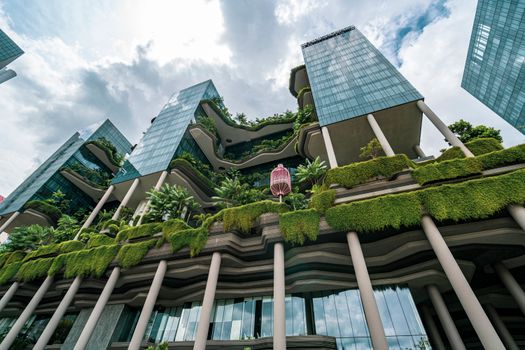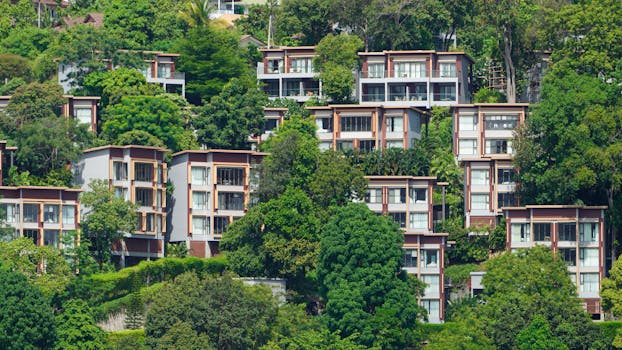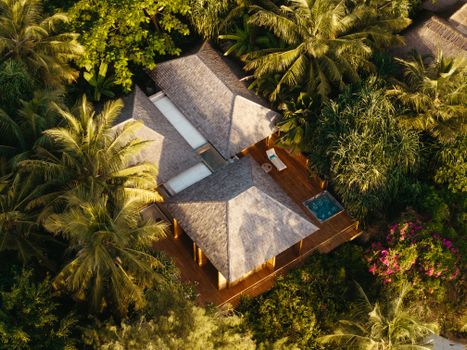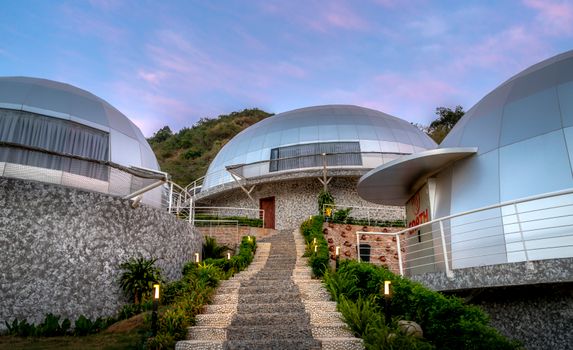
I stepped off the overnight train, the crisp December air biting at my cheeks, carrying the faint, sweet scent of pine and woodsmoke. The usual city cacophony was replaced by the gentle murmur of a nearby stream and the distant call of an owl. This wasn't just a hotel; it was an immersion. A promise of a holiday where every breath felt cleaner, every meal more meaningful, and every vista unmarred by environmental compromise. In December 2025, the definition of luxury isn't just about thread counts and champagne; it's about leaving a lighter footprint on this incredible planet. And I've found the places that prove you don't have to sacrifice an ounce of indulgence to do it.
The Rise of the Eco-Conscious Traveler: Why Zero-Emission is the New Luxury
For too long, sustainable travel felt like a compromise. Think roughing it in a yurt or foregoing creature comforts for the sake of the environment. But as we hurtle towards the end of 2025, a seismic shift has occurred. Travelers like me, and hopefully you, are demanding more. We want experiences that nourish our souls and respect our planet. The good news? The hospitality industry has finally caught up, and then some.
Zero-emission hotels are no longer a niche concept. They represent the pinnacle of innovative design, responsible sourcing, and a deep respect for the natural world. These aren't just hotels with solar panels; they are holistic ecosystems designed to operate in harmony with their surroundings, often powered entirely by renewable energy, utilizing advanced waste management, and championing local conservation efforts. And yes, they are absolutely worth the premium.
What Exactly is a "Zero-Emission Hotel"?
Let's cut through the greenwashing. A true zero-emission hotel goes beyond simply offsetting carbon. It actively works to eliminate emissions throughout its operations. This means:
- 100% Renewable Energy: Solar, wind, geothermal, or hydro power are the lifeblood.
- Sustainable Building Materials: Locally sourced, recycled, or low-impact materials are paramount.
- Water Conservation & Management: Advanced systems for greywater recycling and rainwater harvesting.
- Waste Reduction & Composting: Minimal to zero landfill waste.
- Sustainable Food Sourcing: Farm-to-table initiatives, organic produce, and plant-forward dining options.
- Carbon Offsetting (as a last resort): For any unavoidable emissions, robust and verifiable offset programs are in place.
When you book a stay at one of these establishments, you're not just paying for a room; you're investing in a cleaner future and supporting businesses that are leading the charge.
My Top Picks for December 2025: Where Luxury Meets Legacy
After countless hours poring over sustainability reports, interviewing hotel managers, and, of course, experiencing these havens firsthand, I've curated a list of zero-emission hotels that redefine luxury. These are the places where the premium is justified by unparalleled experiences, profound connection to nature, and the peace of mind that comes with truly responsible travel.
1. The Aurora Sanctuary, Swedish Lapland: Chasing Lights, Not Carbon
The Hook:
Imagine this: you're wrapped in a downy duvet, the only sound the gentle creak of your cabin's ethically sourced timber. Outside, the sky is an inky black canvas, suddenly erupting in ethereal greens and purples. The Northern Lights. And you're witnessing them from a sanctuary powered entirely by the earth's own heat and the crisp Nordic wind.
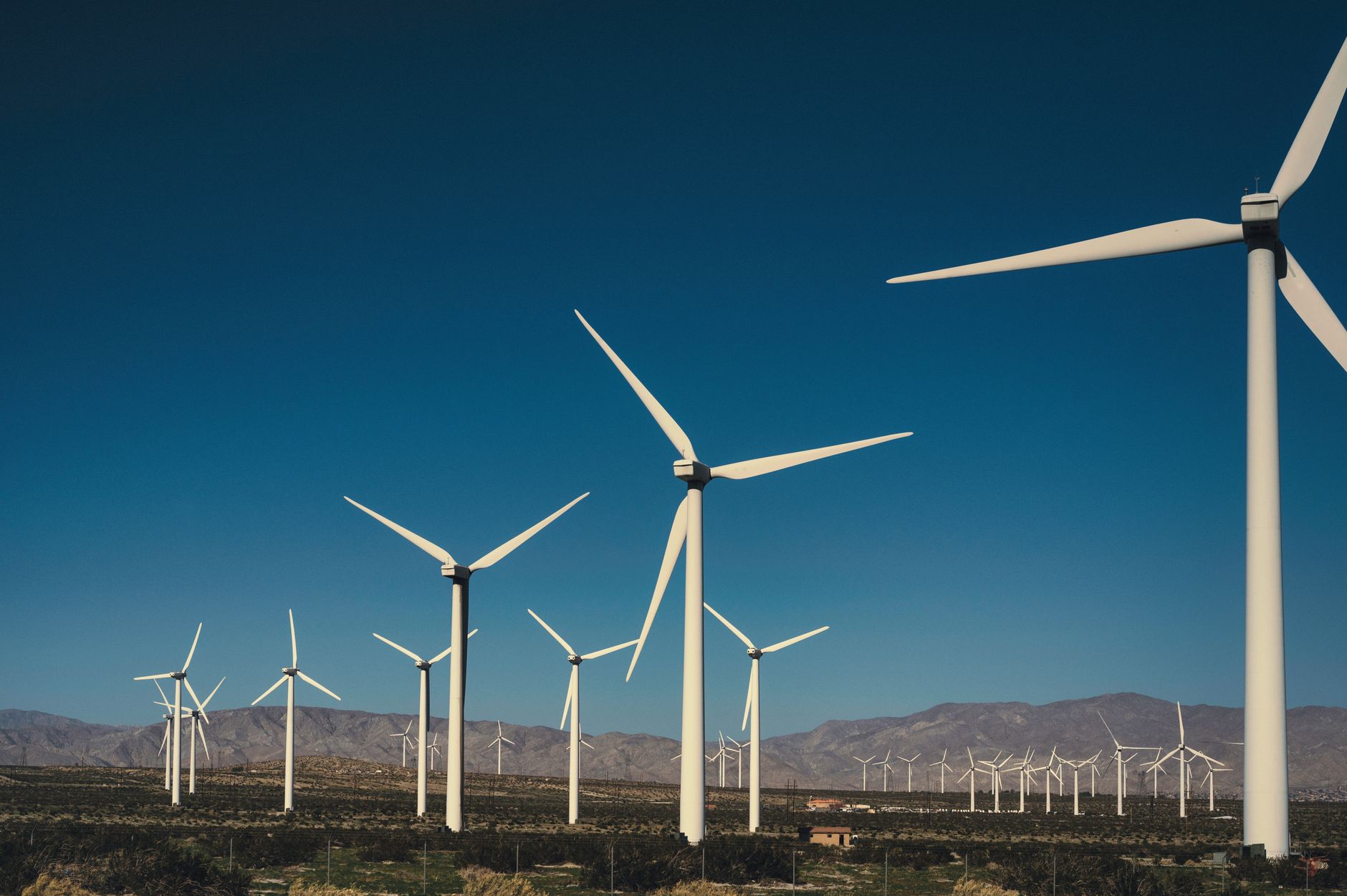
The Aurora Sanctuary isn't just a hotel; it's an Arctic dreamscape. Nestled deep within the Lapland wilderness, this collection of minimalist, glass-fronted cabins is a masterclass in sustainable luxury. Their energy comes from a combination of geothermal heating and a discreet, high-efficiency wind turbine that hums softly in the distance.
Insider Scoop:
The design is intentionally understated, allowing the breathtaking natural surroundings to take center stage. Think clean lines, natural textures, and panoramic windows that bring the aurora directly into your room. Their "zero-waste" kitchen is a revelation, with a tasting menu that celebrates the bounty of the Arctic – foraged berries, locally smoked reindeer (ethically sourced, of course), and root vegetables grown in their own bio-domes.
Pro-Tip:
Book a private aurora viewing session with one of their local Sami guides. Their knowledge of the skies and the land is unparalleled, and they'll share ancient stories that bring the celestial dance to life. Also, don't miss the chance to experience their wood-fired sauna, heated using sustainably managed forest byproducts. The contrast between the biting cold outside and the intense heat within is utterly invigorating.
Quick Facts:
* Estimated Cost: $800 - $1500 per night
* Best Time to Visit: December - March (for Northern Lights)
* How to Get There: Fly into Kiruna Airport (KRN), Sweden. The hotel offers a private electric transfer service.
2. The Canopy Collective, Costa Rican Cloud Forest: Biodiversity in Every Breath
The Hook:
The air here is thick with the perfume of orchids and damp earth. A symphony of unseen creatures – the chirping of frogs, the rustle of leaves, the call of a toucan – forms the soundtrack to my morning coffee. I'm perched on a balcony overlooking a verdant, mist-shrouded valley, the sunlight filtering through the dense canopy, and my entire world is powered by the very elements I'm surrounded by.
The Canopy Collective is more than an eco-lodge; it's a living testament to the power of regenerative tourism. Built with locally felled bamboo and reclaimed timber, their bungalows are ingeniously designed to blend into the cloud forest. Their energy is a smart mix of solar panels discreetly integrated into the rooflines and a micro-hydro system harnessing the power of a nearby waterfall.
Insider Scoop:
The "collective" aspect isn't just a name. They work hand-in-hand with local conservation projects, and a portion of your stay directly funds reforestation efforts and wildlife monitoring. Their restaurant, "El Nido" (The Nest), serves incredible dishes featuring ingredients from their organic permaculture garden and local, ethical farms. Expect vibrant ceviches, hearty gallo pinto, and exotic fruits I'd never even heard of.
Pro-Tip:
Take the guided "Biodiversity Walk" with their resident naturalist. They can spot sloths, coatis, and an astonishing array of birdlife that you'd otherwise miss. The lodge also offers a fantastic "Tree Climbing Experience" using safe, low-impact techniques, giving you a unique perspective of the forest canopy. For an extra treat, book a massage using locally sourced essential oils in their open-air spa pavilion.
Quick Facts:
* Estimated Cost: $500 - $900 per night
* Best Time to Visit: December - April (dry season)
* How to Get There: Fly into Juan Santamaría International Airport (SJO), San José. The lodge arranges private eco-friendly transfers.
3. The Desert Bloom Retreat, Moroccan Sahara: Sustainable Serenity Under the Stars
The Hook:
The silence here is profound, broken only by the whisper of the wind across the dunes. As the sun dips below the horizon, painting the sky in fiery hues of orange and crimson, I'm sipping mint tea on the rooftop terrace of my adobe suite. The cool desert air is a welcome embrace, and beneath me, the earth is generating the power that lights my room.
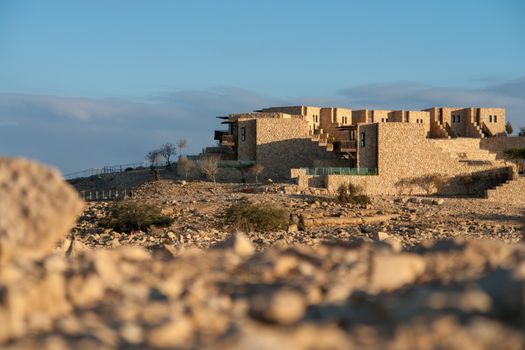
The Desert Bloom Retreat is an oasis of calm and sustainability in the heart of the Moroccan Sahara. Built using traditional rammed earth techniques and local Berber craftsmanship, these beautiful structures are naturally insulated, keeping them cool during the day and warm at night. Their energy comes from an expansive solar farm, cleverly disguised amongst the dunes, and water is meticulously managed through a closed-loop system.
Insider Scoop:
This is where you come for an authentic, yet luxurious, desert experience. The architecture is stunning – think intricate tilework, hand-woven textiles, and courtyards designed for quiet contemplation. Their cuisine is a celebration of Moroccan flavors, with tagines slow-cooked using solar ovens and ingredients sourced from nearby oases. The stargazing here is, quite simply, out of this world.
Pro-Tip:
Wake up before dawn for a camel trek to watch the sunrise over the Erg Chebbi dunes. It's a truly magical experience. The retreat also offers workshops on traditional Berber cooking and weaving, providing a deeper connection to the local culture. Don't miss their traditional hammam experience, heated with solar-powered water systems.
Quick Facts:
* Estimated Cost: $400 - $700 per night
* Best Time to Visit: October - April (cooler desert temperatures)
* How to Get There: Fly into Errachidia Airport (ERH) or Ouarzazate Airport (OZZ). The retreat provides private 4x4 transfers.
4. The Alpine Haven, Swiss Alps: Breath of Fresh Mountain Air
The Hook:
The scent of fresh snow and pine needles fills my lungs as I step onto my balcony, a steaming mug of herbal tea warming my hands. Below, a pristine white landscape stretches as far as the eye can see, dotted with charming chalets. The only sound is the gentle chime of distant cowbells, and the energy powering my luxurious suite comes directly from the mountain streams and the sun.
The Alpine Haven is a testament to how modern luxury can exist in perfect harmony with a fragile alpine environment. This collection of ultra-modern chalets and suites is built to Passivhaus standards, minimizing energy consumption. Their energy needs are met by a combination of their own micro-hydroelectric plant and extensive solar installations.
Insider Scoop:
The interiors are a blend of minimalist Scandinavian design and traditional alpine warmth, featuring natural wood, stone, and plush, sustainable textiles. The cuisine is a sophisticated take on Swiss classics, with an emphasis on organic, locally sourced ingredients, including artisanal cheeses and wines from nearby vineyards.
Pro-Tip:
Take advantage of their electric ski-doo or guided snowshoeing tours. The hotel offers curated experiences that respect the delicate alpine ecosystem. For après-ski, enjoy their natural thermal pools, heated using geothermal energy, with views of the snow-capped peaks. They also have an incredible library filled with books on local flora, fauna, and history.
Quick Facts:
* Estimated Cost: $700 - $1200 per night
* Best Time to Visit: December - March (ski season)
* How to Get There: Fly into Zurich Airport (ZRH) or Geneva Airport (GVA). The hotel offers a private electric train connection or chauffeur service.
5. The Coastal Current Resort, Big Sur, California: Ocean Views, Earth-First Ethos
The Hook:
The roar of the Pacific is a constant, soothing presence, mingling with the scent of salt spray and wild coastal sage. I'm watching the sunset paint the sky in a riot of color from my cliffside villa, the sound of waves crashing against the rocks below a natural lullaby. The luxury here is undeniable, and the fact that it's all powered by the very elements I'm marveling at is the ultimate indulgence.
The Coastal Current Resort is redefining coastal luxury with an unwavering commitment to sustainability. These architecturally stunning villas are constructed with reclaimed wood and recycled materials, designed to maximize natural light and ventilation. Their energy is a sophisticated blend of offshore wind turbines and extensive solar arrays, and their water conservation efforts are second to none.
Insider Scoop:
The villas offer breathtaking, uninterrupted ocean views. The interiors are a masterclass in understated elegance, featuring local art and sustainable furnishings. The resort's restaurant, "The Tide Pool," focuses on hyper-local, seasonal seafood (ethically sourced, of course) and organic produce from their own coastal gardens.
Pro-Tip:
Book a guided tide pool exploration with their marine biologist. You'll learn about the delicate coastal ecosystem and the resort's efforts to protect it. For a truly unique experience, take one of their electric-powered whale watching tours or join a guided hike along the rugged Big Sur coastline. Don't forget to visit their on-site organic farm and pick your own herbs for your meal.
Quick Facts:
* Estimated Cost: $900 - $1800 per night
* Best Time to Visit: September - May (milder weather, fewer crowds)
* How to Get There: Fly into Monterey Regional Airport (MRY) or San Jose International Airport (SJC). The resort offers private electric vehicle transfers.
The Premium Justification: More Than Just a Price Tag
So, why the premium? It's simple. Building and operating at this level of sustainability requires significant upfront investment in cutting-edge technology, meticulous planning, and a commitment to ethical sourcing that often comes at a higher cost. But the return on that investment is immeasurable:
- Unparalleled Experiences: You're not just staying; you're immersing yourself in pristine environments, often with exclusive access and expert-led activities.
- Peace of Mind: Knowing your holiday isn't costing the earth is a luxury in itself.
- Supporting Innovation: You're directly contributing to the growth of the sustainable tourism sector.
- Authenticity: These hotels often have a deeper connection to their local communities and environments, offering a more genuine experience.
In December 2025, choosing a zero-emission hotel isn't just a travel decision; it's a statement. It's a commitment to a future where luxury and responsibility go hand-in-hand. These are the destinations that will not only leave you refreshed and inspired but also leave the planet a little better than you found it. Happy (sustainable) travels!