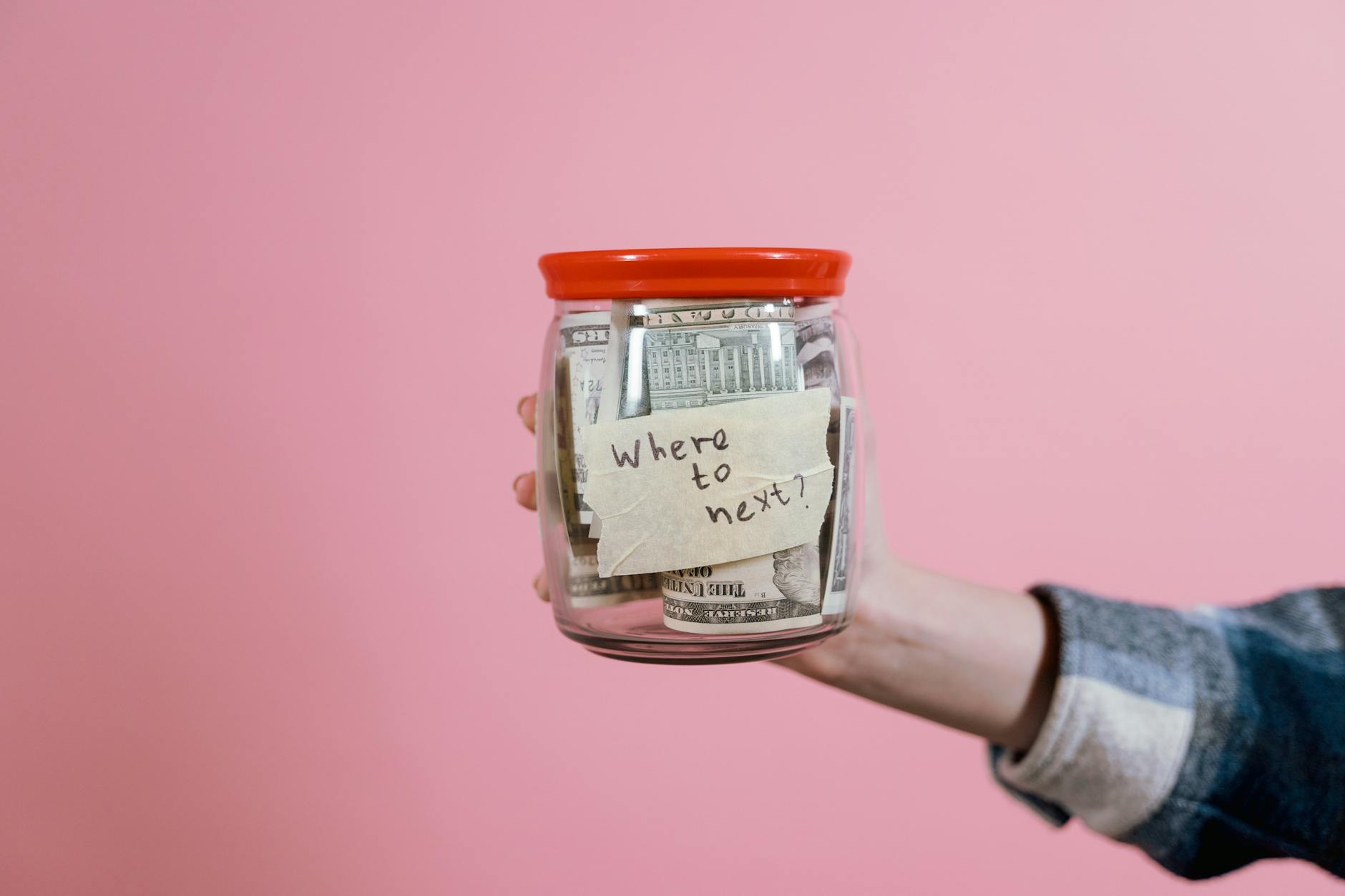
Remember that time you finally saved up enough for your dream trip to Rome in July? I do. I remember battling crowds at the Colosseum that made a rock concert feel spacious, sweating through my clothes while waiting for gelato, and paying €250 a night for a hotel room that, let’s be honest, felt like it should have been €100. It was fine, but it wasn’t the romantic, leisurely Italian escape I'd envisioned.
Fast forward a few years, and I found myself back in Italy, this time in late October. Venice. The mist hung gently over the canals in the mornings, the golden light of autumn kissed the ancient buildings, and I could actually hear the gondoliers singing, not just the din of a thousand tourist conversations. The hotel, steps from the Rialto Bridge, cost me a mere €90 a night, and I walked into St. Mark's Basilica with barely a queue. It was then, standing on a quiet bridge, watching a local fisherman mend his nets, that it hit me: I had stumbled upon the travel hack of a lifetime. I had discovered the magic of the shoulder season.
And let me tell you, it’s a secret too good to keep. If you’re ready to ditch the peak-season chaos, save a significant chunk of change, and truly experience a destination rather than just ticking off sights, then buckle up. This isn't just about saving money; it’s about elevating your entire travel experience. It’s about being a smart traveler, an explorer, a true Tripsora insider, before the rest of the world catches on.
What Exactly Is Shoulder Season, Anyway? (And Why You Should Care)
So, what is this mythical "shoulder season" I keep raving about? Simply put, it's the sweet spot between a destination's peak (high) season and its off-peak (low) season. Think of it as the lull before or after the storm of tourists, when prices dip, crowds thin, and the locals breathe a collective sigh of relief.
For most popular destinations, especially in Europe and North America, the peak season is typically summer (June-August) when schools are out and the weather is reliably warm. The shoulder seasons then fall in spring (April-May) and autumn (September-October/early November). For tropical destinations, it might be just before or after the main dry season.
Why should you care? Let me count the ways:
- Significant Savings: This is often the biggest draw. Flights, accommodation, car rentals, and even some tours or activities can be anywhere from 20% to 50% cheaper than in peak season. That €250 hotel room? Suddenly €120. That €1000 flight? Maybe €600.
- Fewer Crowds: Remember my Roman Colosseum anecdote? In shoulder season, you'll spend less time queuing and more time exploring. Imagine actually seeing the Mona Lisa without a wall of smartphones in front of you, or strolling through Kyoto's bamboo forest in relative tranquility.
- Often Better Weather: While not guaranteed, shoulder season often brings milder, more pleasant temperatures than the scorching heat of summer or the biting cold of winter. Think comfortable sightseeing weather, perfect for long walks and outdoor dining.
- Authentic Local Experience: With fewer tourists, locals are often more relaxed, more approachable, and more willing to share insights, stories, and recommendations. You get a truer sense of the destination's rhythm and culture.
- Better Photos: Fewer people in your shots means more postcard-perfect pictures for your Instagram feed. #NoFilter, just fewer photobombers.
It's truly a win-win-win situation. And once you experience it, you'll wonder why you ever traveled any other way.
The Art of Timing: When and Where to Find the Sweet Spots
Finding the shoulder season isn't about guesswork; it's about smart research. While general rules apply, every destination has its unique climate, festivals, and school holidays that can shift the "sweet spot" slightly.
General Guidelines for Different Regions:
- Europe: Most of Western and Southern Europe (Italy, Greece, France, Spain) shines in April-May and September-October. Northern Europe (Scandinavia, UK) can be lovely in late May-early June and September. Avoid July and August like the plague unless you love crowds and heat.
- North America:
- US National Parks (e.g., Zion, Yosemite, Yellowstone): Late April-May or late September-October offers mild weather, stunning fall foliage (in many parks), and fewer visitors than the summer rush.
- Major Cities (NYC, Chicago, San Francisco): March-April or October-November can bring crisp weather, great cultural events, and pre-holiday season charm without the peak prices.
- Caribbean/Mexico: The "shoulder" to hurricane season (June-November) can be a gamble, but late April-May or early December often offers great weather and lower prices before the holiday rush.
- Asia:
- Southeast Asia (Thailand, Vietnam, Bali): The "green season" or monsoon season (roughly May-October) is often misunderstood. While you might get daily downpours, they’re usually short, intense, and followed by sunshine. Everything is lush, and prices plummet. I spent a May in Bali where the rain was a welcome afternoon cool-down, and the rice paddies were at their most vibrant.
- Japan: Late May-early June (after cherry blossom madness, before summer humidity) or late October-November (stunning autumn leaves) are fantastic.
- India/Nepal: Just after monsoon season in October-November or pre-monsoon in March-April can be ideal for trekking and exploring.
How to Research Your Specific Destination:
- Check Average Monthly Temperatures and Rainfall: A quick Google search for "[Destination Name] average weather by month" will give you a good overview. Look for periods with pleasant temperatures and lower rainfall.
- Consult Local Tourism Boards: Their websites often provide detailed information on peak seasons, local events, and the best times to visit.
- Look for Local Holidays/Festivals: Sometimes, a shoulder season can have a mini-peak if it coincides with a major local festival. This can be a pro (experiencing culture) or a con (sudden price hikes/crowds), so be aware.
- Use Flexible Flight Search Tools: Google Flights' "explore" feature is your best friend here. Enter your origin, leave the destination open, and select "flexible dates" to see where you can go cheaply in a given month.
My trip to Kyoto in late November was a revelation. While everyone flocks for cherry blossoms in April (and pays a premium), I arrived to a city ablaze with fiery red and gold maple leaves. The temples were serene, the air was crisp, and I found a charming ryokan (traditional inn) for half the price it would have been just a few weeks earlier. It felt like I had discovered a secret garden.
Unlocking the Deals: Flights, Stays, and Experiences
Now for the fun part: actively cashing in on those shoulder season savings. This isn't just about hoping for a deal; it's about strategic planning.
Flights: The Gateway to Savings
- Flexibility is King (or Queen!): This is the golden rule. If you can shift your travel dates by even a few days, you'll often see huge price differences. Flying mid-week (Tues-Thurs) is usually cheaper than weekends.
- Set Price Alerts: Use tools like Google Flights, Skyscanner, and Kayak to set up alerts for your desired routes. They'll email you when prices drop. This is how I snagged a return flight to Lisbon for just $450 in May, a route that usually costs $800+.
- Consider Alternative Airports: Sometimes flying into a slightly smaller or neighboring airport can save you hundreds. For example, flying into Girona instead of Barcelona, or Beauvais instead of Paris (just be sure to factor in transfer costs and time).
- Be Patient, But Not Too Patient: Flight prices can fluctuate wildly. Generally, booking 2-4 months out for international travel is a good sweet spot for shoulder season. Don't wait until the last minute, but don't book a year in advance either.
- Incognito Mode & VPNs (Use with Caution): While the impact is debated, some swear by searching in incognito mode or using a VPN to appear to be searching from a different country to avoid dynamic pricing based on your search history or location. It doesn't hurt to try!
Accommodation: Your Home Away From Home for Less
This is where you'll see some of the most dramatic savings. Hotels, guesthouses, and vacation rentals are desperate to fill rooms during quieter periods.
- Hotels:
- Book Directly: Often, hotels offer better rates or perks (free breakfast, upgrades) if you book directly through their website, especially if you join their loyalty program.
- Boutique & Independent Hotels: These often have more flexibility with pricing and are more willing to negotiate in shoulder season than large chains.
- Consider Slightly Outside the City Center: Public transport is usually excellent in major cities. Staying a few metro stops out can cut your costs dramatically. I found a charming 4-star hotel in Florence, just a 15-minute walk from the Duomo, for €110/night in late September, when similar central hotels were well over €200.
- Vacation Rentals (Airbnb, VRBO):
- Longer Stays = Bigger Discounts: Many hosts offer weekly or monthly discounts, which can be fantastic for shoulder season.
- Don't Be Afraid to Negotiate (Respectfully): If you're looking at a last-minute booking or a slightly longer stay, you can sometimes send a polite message to the host asking if they'd consider a slightly lower rate, especially if their calendar isn't full.
- Hostels: Even if you're not a backpacker, many hostels now offer private rooms with en-suite bathrooms that rival budget hotels. In shoulder season, these are often plentiful and incredibly cheap. Plus, less crowded common areas mean a more relaxed vibe.
Activities & Experiences: Immerse Yourself, Unhurried
- Museums & Attractions: Shorter lines, more space to appreciate the art, and sometimes even off-season discounts. Imagine wandering through the Louvre without being jostled, or lingering at the Sagrada Familia in Barcelona, truly absorbing Gaudi's genius.
- Tours: Tour operators are keen to fill spots. You might find smaller group tours or even be able to snag a private guide at a reduced rate. I once joined a small group for a wine tasting tour in Tuscany in early October. There were only four of us, and the guide, a local winemaker, spent hours chatting with us, sharing family stories and pouring generous samples. It felt less like a tour and more like visiting a friend.
- Restaurants: Getting reservations at popular restaurants is easier, and you might even find special fixed-price menus designed to attract local diners during quieter periods.
Destination Deep Dive: Shoulder Season Gems
Let's get specific. Here are some of my favorite destinations that truly shine during their shoulder seasons:
Europe: A Continent Transformed
- Italy (Rome, Florence, Venice): As mentioned, October/November and April/May are divine. The scorching summer heat gives way to pleasant, walkable temperatures. The light is incredible for photography, and the crowds are manageable. Imagine sipping an Aperol Spritz in a Roman piazza, not fighting for a table, but simply enjoying the ambiance.
- Greece (Santorini, Mykonos, Crete): Skip the July/August madness. May/Early June or September/Early October offers warm enough weather for swimming and sunbathing, but the islands are calmer, hotels are half the price, and you can actually walk through Oia's charming streets without a selfie stick hitting you in the face. My trip to Santorini in early October was pure bliss – perfect weather, stunning sunsets, and a feeling of genuine tranquility.
- Paris, France: April/May (before the summer rush) or September/October (after the summer rush, with beautiful fall colors) are perfect. The city of lights feels more intimate, the café terraces are still inviting, and you can wander through the Marais or along the Seine without feeling like you're in a human conveyor belt.
North America: Nature & Cityscapes Unveiled
- US National Parks (e.g., Zion, Yosemite): Late April/May or late September/October. My trip to Zion National Park in late September was breathtaking. The cottonwood trees along the Virgin River were turning golden, the hiking trails were busy but not overwhelmingly crowded, and the temperatures were perfect for exploring. Plus, securing a permit for popular hikes like Angels Landing was much easier.
- New York City, USA: March/April or October/November. Experience the city's vibrant energy without the extreme summer humidity or the brutal winter cold. You can catch Broadway shows, explore world-class museums, and enjoy Central Park in spring bloom or fiery autumn colors. The pre-Thanksgiving period in November offers a taste of the holiday magic without the peak-season prices and crowds.
- Banff & Jasper National Parks, Canada: Late May/early June or late September/early October. The Canadian Rockies are stunning year-round, but these shoulder seasons offer fewer crowds, vibrant spring wildflowers or spectacular fall foliage, and comfortable hiking weather. Lakes like Louise and Moraine are accessible but less swarmed.
Asia: Lush Landscapes & Cultural Immersion
- Southeast Asia (Thailand, Vietnam, Bali): Embrace the "Green Season" from May-September. Yes, it rains. But often it's a dramatic downpour for an hour or two, followed by brilliant sunshine. The landscapes are incredibly lush, waterfalls are at their peak, and tourist numbers (and prices) plummet. I spent a May in Ubud, Bali, and loved the refreshing afternoon showers that cooled everything down, leaving the rice paddies vibrant green. You'll find incredible deals on villas and tours.
- Japan (Kyoto, Tokyo): Late May/Early June or late October/November. As I mentioned, autumn in Kyoto is magical. The "green season" in early summer also offers beautiful fresh greenery and comfortable temperatures before the humidity sets in. You'll still find plenty of cultural events and delicious seasonal food, just with fewer fellow travelers.
Beyond the Savings: The Authentic Travel Experience
While the financial savings are a huge motivator, the truly transformative aspect of shoulder season travel is the authenticity it offers.
- Connecting with Locals: When locals aren't overwhelmed by hordes of tourists, they're more likely to engage. I remember sitting at a tiny trattoria in Florence in October, the only tourist, and the owner spent a good twenty minutes telling me about his family's history in the neighborhood, recommending hidden gems, and even sharing a shot of limoncello. That's an experience you just don't get in peak season.
- Experiencing Local Life: Shoulder season often means local festivals, markets, and daily routines are less disrupted by tourism. You get to witness life as it truly is, not just a performance for visitors. You might stumble upon a local harvest festival, a neighborhood market buzzing with activity, or simply enjoy watching children play in a park without being surrounded by tour groups.
- Better Photos, Better Memories: With fewer people, your photographs are instantly more captivating. You can capture the true essence of a place – an empty street at dawn, a serene temple, a panoramic vista – creating memories that are distinctly yours, not just a replica of everyone else's.
- A Slower, More Immersive Pace: Without the pressure of long lines and booked-out attractions, you can afford to slow down. Linger over a coffee, spend an extra hour in a museum, or simply sit and people-watch. This unhurried pace allows for deeper immersion and a richer understanding of your destination. It's about quality over quantity, depth over breadth.
Insider Tips for Maximizing Your Shoulder Season Adventure
Ready to book your next smart trip? Here are a few final hacks to ensure your shoulder season adventure is absolutely epic:
- Pack Smart – Layers are Your Friend: Shoulder season weather can be a bit unpredictable. Mornings might be cool, afternoons warm, evenings chilly. Pack layers you can easily add or remove to stay comfortable. A light waterproof jacket is always a good idea.
- Check Local Holiday Calendars: While shoulder season generally means fewer crowds, sometimes a national holiday or local school break can create a mini-peak. A quick search for "[Destination Name] public holidays [Year]" will help you avoid any unexpected surges.
- Be Flexible & Embrace Spontaneity: One of the joys of fewer crowds is the ability to be more spontaneous. If the weather changes, or you hear about a local event, you can often pivot your plans more easily. Don't over-schedule.
- Book Popular Attractions in Advance (Still!): Even with fewer crowds, iconic attractions (e.g., Eiffel Tower, Vatican Museums, Anne Frank House) can still have queues or limited entry slots. Booking online a few weeks in advance is always a good idea to guarantee your spot and save time.
- Consider Travel Insurance: Especially if you're traveling during the edges of shoulder season (e.g., early spring or late autumn), there might be a slightly higher chance of weather-related disruptions (late snow, early storms). Good travel insurance can provide peace of mind.
- Talk to Locals: Seriously, this is gold. Ask your hotel receptionist, a shop owner, or a waiter for their favorite local spots, hidden gems, or current events. They'll often share insights that no guidebook can.
Your Unforgettable Adventure Awaits
The shoulder season isn’t just a budget hack; it’s a mindset. It’s for the traveler who values authentic experiences over crowded checklists, genuine connections over tourist traps, and smart savings over inflated prices. It’s for you, the Tripsora reader, who wants to explore the world more deeply, more thoughtfully, and more affordably.
So, ditch the high-season woes. Start researching, set those price alerts, and get ready to discover destinations in a way most people only dream of. Go forth, explore responsibly, and uncover the magic of the shoulder season before it becomes mainstream.
What's your favorite shoulder season destination or tip? Share your wisdom in the comments below! Let's inspire each other to travel smarter.