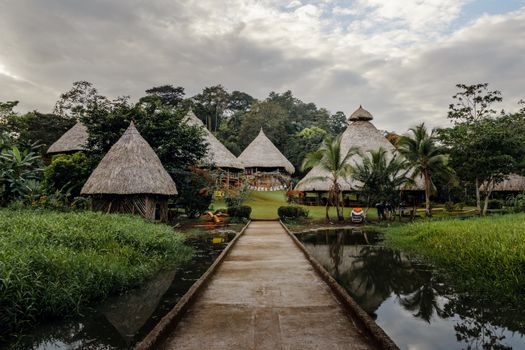
Interest in plant medicine ceremonies, which often involve substances such as ayahuasca, has led some travelers to research retreats abroad. The legal and health landscape for these practices is complex. Laws differ widely between countries, and even within a country the status of a substance or a ceremony can depend on religious recognition, licensing or local enforcement. This guide is not an endorsement. It explains the legal and safety considerations that a careful traveler would need to examine before making any decision.
Legal status varies widely
Legal status can change quickly and is often more nuanced than headlines suggest. Some countries restrict the substances outright, while others allow certain traditional or religious uses under specific conditions. Licensed medical or therapeutic frameworks may exist in limited settings. A ceremony that is tolerated in one area may still be illegal in another, and possession, importation and advertising can be treated differently. Check the current law of the destination and of your home country, and consult official government sources or a qualified legal professional rather than relying on informal summaries.
Health risks and medical screening
Plant-based substances can have powerful physiological and psychological effects. People with heart conditions, high blood pressure, psychiatric conditions, a history of psychosis, pregnancy or certain medications may face serious risks. Some substances interact dangerously with common prescription medicines, including certain antidepressants. Reputable providers typically conduct detailed medical screening and ask about current medications. A provider that does not ask about your health should be treated as a warning sign.
Safety during and after ceremonies
Ceremonies can involve intense physical reactions, vomiting, disorientation and emotional distress. Adequate supervision, access to medical care, and clear emergency procedures are essential. Find out who is present to monitor participants, what training they have and how emergencies are handled. The distance from hospitals, the presence of trained medical staff and the quality of local transport all matter. Integration support after a ceremony can also be important.
Screening providers and avoiding exploitation
Unfortunately, the sector includes both careful practitioners and people who take advantage of vulnerable travelers. Be wary of guarantees of healing, pressure to pay quickly, unclear pricing, sexual misconduct allegations and lack of transparency about ingredients or sourcing. Ask who runs the retreat, what qualifications the facilitators hold, how they handle informed consent and what happens if a participant becomes unwell. Look for independent reviews and check with consular services if you have concerns.
Informed consent and personal responsibility
Informed consent means understanding the risks, the legal position and the realistic outcomes before participating. Outcomes are not guaranteed, and experiences vary widely. Avoid making decisions under emotional pressure, and take time to discuss the choice with trusted people who know your health history. You are always entitled to decline any part of a ceremony or to leave.
Alternatives and support
Travelers seeking reflection, wellbeing or cultural experiences have many other options, including meditation retreats, nature-based programs, and licensed mental health services in their home countries. Speak with a qualified health professional before making any decision that could affect medication or existing conditions.
Practical tips
- Verify the legal status in the destination and at home before booking anything.
- Disclose all medications, medical conditions and pregnancy to providers in writing.
- Ask detailed questions about facilitators, emergency care and distance to hospitals.
- Check your travel insurance for exclusions related to substance use.
- Never travel with substances across borders, and avoid deals that seem unusually cheap or fast.
Common mistakes to avoid
A common mistake is assuming that a ceremony is legal because it is advertised openly or because people discuss it casually. Another is trusting informal online reviews without checking when they were written or whether the author had a commercial interest. Some travelers accept a quick, inexpensive offer without asking about medical screening, which can be a warning sign in itself. People also sometimes underestimate the importance of aftercare and forget to plan for the journey home, rest and follow-up with a health professional. Finally, many visitors do not consider their home-country position, which can differ from local rules and can affect work, visas or insurance.
Who this suits and who it does not
This topic is relevant mainly to adults who are weighing a decision carefully, who have checked the law in both countries and who have consulted a qualified health professional. It is not suitable for people with heart conditions, psychiatric conditions, a history of psychosis, pregnancy, or those taking medications that may interact with plant substances. It is also unsuitable for anyone under pressure to decide quickly, or anyone who feels unable to leave a situation freely. For people who are unsure, the safer course is usually to pause and seek advice before taking any step.
Frequently asked questions
Is a ceremony safe if the provider seems professional?
A professional appearance does not guarantee safety. Ask about screening, emergency care and facilitator training, and check independent sources before deciding.
Can I refuse part of a ceremony?
Yes. You are entitled to decline any part of a ceremony and to leave, so make this clear to providers in advance.
Who can I talk to before deciding?
A qualified health professional, a legal adviser familiar with the destination and trusted people who know your health history are good places to start.
Plant medicine ceremonies sit at the intersection of law, health and personal choice, and the stakes are high. Understanding how legal status varies, screening providers carefully and taking medical advice seriously are essential steps for anyone considering this path. When in doubt, the safest decision is usually to pause and seek qualified guidance.