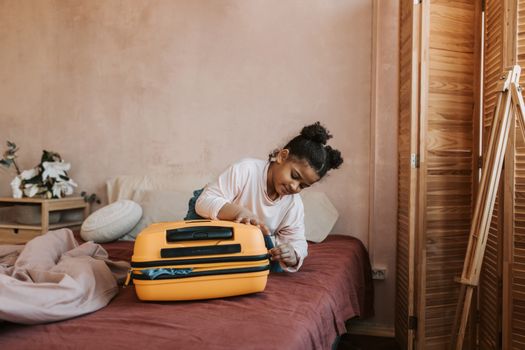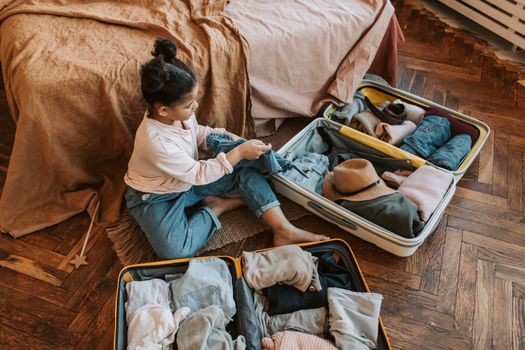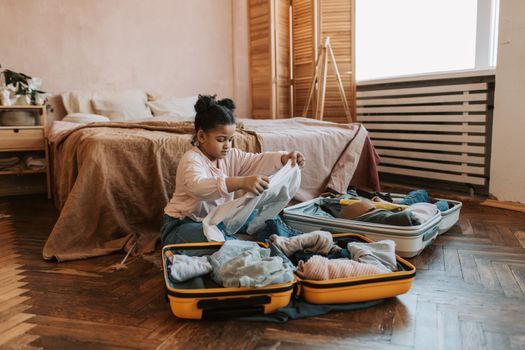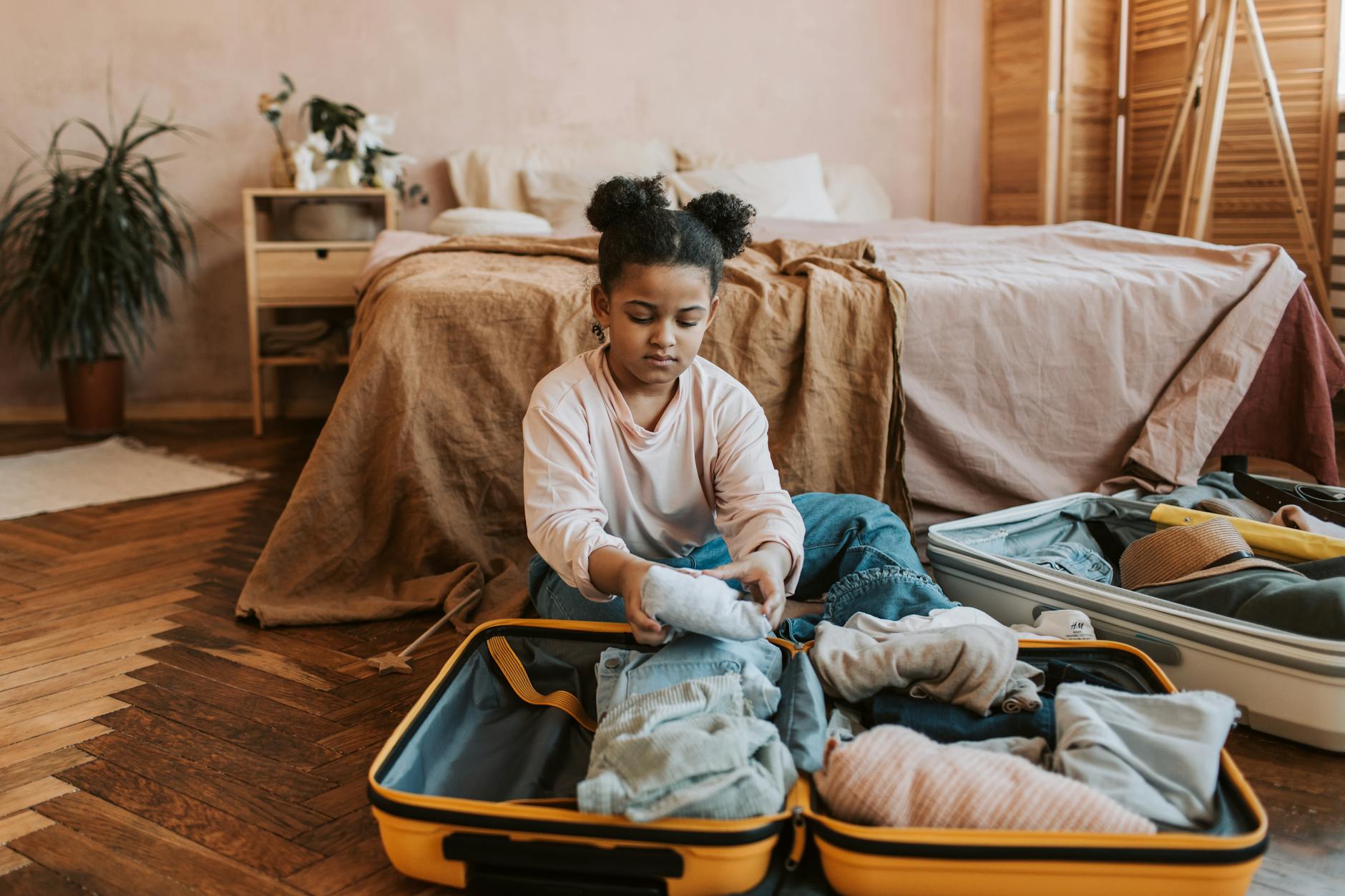
Packing for yourself is easy. Packing for yourself plus a toddler, a baby or a couple of small children can feel like planning a military expedition. The temptation is to bring everything just in case, which leads to heavy bags, stressful transfers and a lot of items that never leave the suitcase.
The goal of smart family packing is not to take more. It is to take the right things, organized so that you can find them quickly when a small person suddenly needs a change of clothes, a snack or a distraction. This guide offers practical hacks that suit a wide range of families and destinations. Every family and child is different, so adapt the ideas, and check airline and local rules before you travel. This is general information and not medical advice.
Start With a Simple Philosophy
Before you open a suitcase, adopt three rules.
- Pack for the journey and the destination separately. What you need in transit is different from what you need once settled.
- Plan to buy or borrow some things locally. Nappies, wipes, baby food and many toiletries are available in most destinations. This often saves space and weight.
- Plan for laundry. Washing clothes mid-trip lets you pack far fewer outfits.
Build a Capsule Wardrobe for Each Child
Kids get messy, but that does not mean you need a different outfit for every hour.
- Choose a color palette. If everything coordinates, items can be mixed and matched.
- Layer, don't bulk. Thin layers such as a t-shirt, a light long sleeve and a fleece or jacket suit changing temperatures better than one heavy coat.
- Count by days between laundry. If you can wash every four or five days, pack for that many days plus a couple of spares.
- Pack one spare outfit per child in your carry-on. More for a baby or a child learning toilet training. Spills and accidents happen on travel days.
- Add a spare top for yourself. A child who is sick or leaks on your shirt is easier to handle if you have a clean change.
Choose quick-drying fabrics and pack dark or patterned clothes that hide stains.
Use Packing Cubes and Zip Bags
Organization makes a big difference.
- Outfit bundles. Roll or fold complete outfits, including socks and underwear, into one cube or bag. Getting dressed in the morning becomes quick.
- Label by person. A different colored cube for each family member helps when you are tired.
- Use zip bags for wet or dirty items. A swimsuit, a muddy shoe or a soiled outfit goes into a bag, keeping the rest of the suitcase clean.
- Keep a small bag of "just in case" supplies. A few spare bags for trash and laundry are very useful.
The Carry-On Essentials Kit
Assume your checked luggage may be delayed, so your carry-on needs to cover the first day. Include:
- Enough nappies or diapers for the journey plus extra, and wipes.
- A change mat or small waterproof pad.
- Spare clothes for each child.
- Snacks and a refillable water bottle for older children. Check airport security rules about liquids and baby food or milk, as these are handled differently from standard liquids and rules vary by country.
- Any medicine your child takes, in original packaging, along with a doctor's note where appropriate.
- Tissues, hand sanitizer and a small first-aid kit.
- A favorite comfort toy or blanket.
- Copies of passports, tickets and insurance details.
- A lightweight blanket or scarf, because planes and trains can get cold.
- A phone charger and portable battery.
Put the items you will need in flight at the top or in a separate pouch so you are not digging through a bag in a narrow aisle.
Snack Strategy
Snacks are the secret currency of family travel. Hungry children can turn a smooth journey into a rough one.
- Bring more than you think you need. Delays happen.
- Choose low-mess options. Dry cereal, crackers, fruit pouches, cheese sticks, rice cakes and bread rolls travel well.
- Pack a mix. Include something familiar, something a little special and something filling.
- Check what you can bring across borders. Many countries restrict fresh fruit, meat and dairy at customs. Eat or discard these before arrival, and check official rules.
- Pack a reusable bottle. Fill it after security.
Entertainment Without the Bulk
Long travel days are easier with a variety of entertainment, and small items are best.
- A new but cheap toy. A small gift wrapped for travel day can hold attention.
- Sticker books, coloring pads and mini magnetic games. These are light and quiet.
- Downloaded shows and audio stories. Download before leaving, and bring headphones suited to children. Volume-limiting headphones are available.
- A small notebook and pencils. Great for drawing and car games.
- Travel games with no pieces. Spot-the-object, I-spy and storytelling cost nothing and weigh nothing.
Rotate the items. Giving one at a time keeps interest longer than showing everything at once.
Sleeping and Comfort
- A familiar blanket or soft toy helps children settle in a new place.
- A small night light can make unfamiliar rooms less scary.
- Portable blackout solutions. Some families bring a lightweight blackout sheet for hotel windows, especially for babies who sleep poorly in the light.
- A white noise app or small speaker can mask hotel noise.
- A travel cot or sleeping bag. Many hotels provide cots on request, so ask beforehand to avoid carrying one. Safety standards vary, so check it is in good condition.
Strollers, Carriers and Car Seats
Gear decisions can make or break a trip.
- Compact stroller. A lightweight, foldable stroller is handy for airports and cities. Many airlines allow gate-checking so you can use it until boarding.
- Baby carrier. A soft carrier frees your hands, works on cobbled streets and stairs, and is useful on public transport.
- Car seat. If you will hire a car, decide whether to bring your own or rent one. Renting reduces luggage but quality and availability vary, so reserve in advance. Rules for child restraints differ by country.
- Check airline policies. Many allow strollers and car seats to be checked free, but rules vary.
Toiletries and Health
- Keep it minimal. Decant products into small bottles or use travel sizes.
- Pack a mini medical kit. Include children's pain and fever medication as advised by your doctor, plasters, thermometer, sunscreen, insect repellent and any prescription items. Check dosage and local availability with a pharmacist or doctor.
- Sun protection. A hat, sunglasses and sunscreen suit most destinations.
- Wet bags. For cloth nappies, swimwear or sick bags.
- Travel insurance. Check that it covers children and any activities you plan.
Packing for Different Ages
Needs shift quickly as children grow, so tailor your list.
Babies
Focus on feeding supplies, nappies, wipes, a change mat, a few spare outfits, a sleep sack or light blanket, and a baby carrier. Think about sterilizing and warming bottles if relevant, and check that formula and bottled milk can go through security under local rules. Keep a muslin cloth or two within reach for spills.
Toddlers
Toddlers want to move. Bring a compact stroller for naps and tired legs, a few quiet toys, snacks in small containers and spare clothes. If your child is toilet training, pack extra underwear and a plan for accidents, such as a portable potty seat or training pants for the journey.
Preschoolers and Early School Age
These children can carry a small backpack with their own toys, a book and a drink bottle. Giving them a job, such as holding the family's boarding passes in a special wallet, helps them feel involved. Pack a few new activities for the journey.
Packing Hacks That Save Time
- Take a photo of the packed suitcase. If luggage is lost, you will have a record, and it helps you remember what is where.
- Use a small pouch for each day's essentials. Wipes, a clean bib, sunscreen and a snack can be grabbed together.
- Pack a lightweight tote. It folds flat and gives you a spare bag for souvenirs, laundry or beach trips.
- Wear the bulkiest items. On travel day, wear the jacket and heaviest shoes to save luggage space.
- Bring a few clothespegs or a travel clothesline. They make hand laundry in a bathroom much easier.
- Slip a couple of sachets of laundry detergent or a small bottle into your bag. It lets you wash clothes if needed.
- Pack a small roll of tape or a few safety pins. They fix small problems on the go.
- Keep a list of the contents of each bag on your phone. It helps if you need to describe a missing item.
What You Can Probably Leave at Home
- Extra shoes. One comfortable pair and one pair of sandals or waterproof shoes often suffice.
- Bulky toys. Pick two or three small favorites.
- Large bath items. Many places supply what you need or you can buy locally.
- Too many outfits. Wash instead.
- Bulky baby gear if your accommodation can supply it. Many family-friendly hotels and vacation rentals lend high chairs and cots.
A Simple Packing Process
- Make a list a week ahead. Add to it as you remember items.
- Lay everything out and remove a third. Most families overpack.
- Pack the day before. Leave time for last-minute washing and toiletries.
- Weigh your bags. Airlines have strict limits, and fees can be steep.
- Keep documents together. Use a folder or pouch.
- Involve older kids. Let them choose a few toys and pack their own small backpack. It gives them ownership and eases complaints.
Frequently Asked Questions
How many nappies should I pack?
Pack enough for the journey and the first day, plus a buffer, and plan to buy more at your destination. Nappies are available in most places, though brands and sizes may differ.
Can I bring baby food and milk through airport security?
Rules differ by country and airport. Many allow reasonable quantities of baby food and milk, which may be screened separately. Check the airport and airline information before you go.
Should I pack a stroller or use a carrier?
It depends on the child's age and your destination. Carriers are great for stairs, crowds and rough surfaces. Strollers help with long days and naps. Many families bring both for different situations.
How do I deal with luggage delays?
Pack a full change of clothes and essentials for each child in your carry-on, and photograph your luggage tags and contents for claims.
Summary
Smart family packing is about less, not more. Choose a capsule wardrobe, organize with cubes and bags, build a well-stocked carry-on, bring plenty of low-mess snacks and compact entertainment, and plan to launder or buy locally. Think carefully about strollers, carriers and car seats, check airline and border rules, and keep health items and documents handy. With a lighter bag and a plan, you can focus on the real point of the trip, which is enjoying time together.