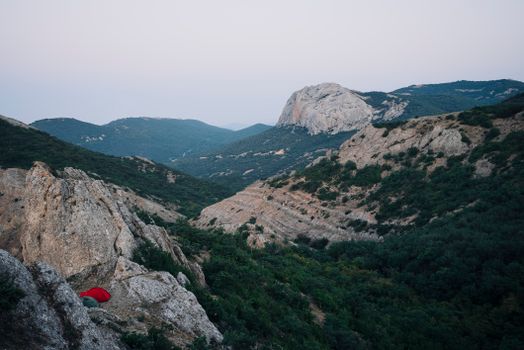
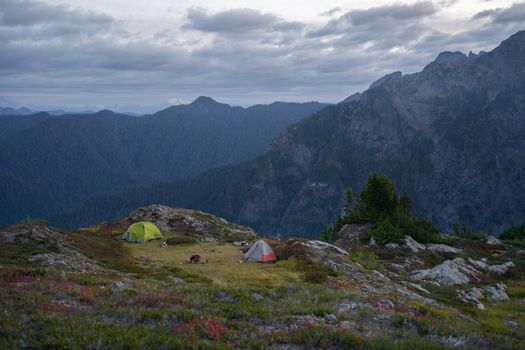
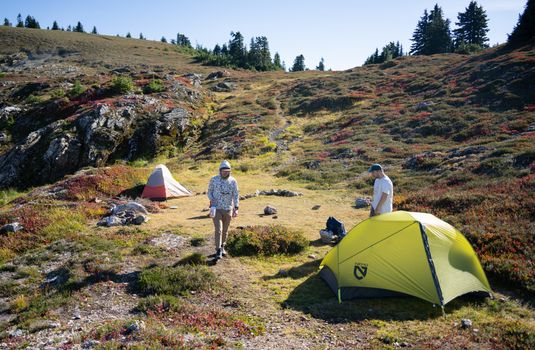
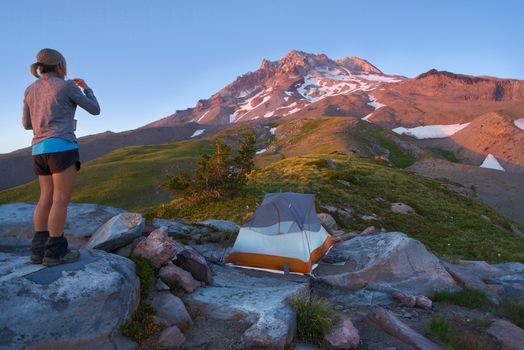
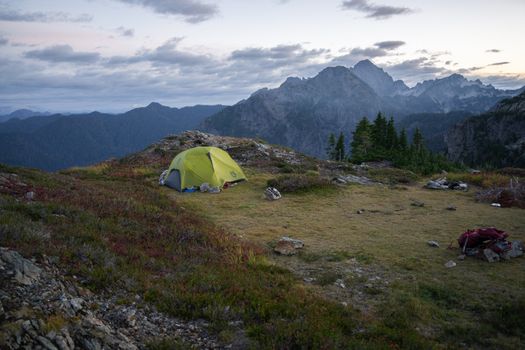
I stepped off the creaking, ancient train in a small village that time seemed to have forgotten. The air was thick with the scent of pine needles and damp earth, a primal perfume that instantly awakened my senses. A sliver of moon hung low in the indigo sky, casting long, dancing shadows that hinted at the adventure to come. My backpack, a familiar weight on my shoulders, felt like a promise of the dawn I was chasing. This wasn't just a hike; it was a pilgrimage to witness the earth exhale light.
The Call of the Dawn: Why Overnight Hikes for Sunrise Reign Supreme
There's an undeniable magic in earning your sunrise. It’s more than just seeing the sun crest the horizon; it's the journey, the quiet solitude of the pre-dawn hours, the shared camaraderie with fellow adventurers, and the profound sense of accomplishment as the first golden rays kiss your face. Unlike a quick dash to a roadside viewpoint, an overnight hike immerses you in the landscape, allowing you to truly connect with nature’s grand spectacle. It’s an experience that imprints itself on your soul, a memory etched in starlight and sunrise hues.
Beyond the Tourist Trail: Expert-Curated Sunrise Sanctuaries
Forget the crowded overlooks you see plastered all over social media. The true gems, the ones whispered about by seasoned trekkers and conservationists, require a little more effort. These are the places where the silence is broken only by the rustle of leaves and the distant call of a bird, where the sunrise feels like a personal revelation. I’ve scoured my contacts, consulted with seasoned guides, and pored over trail maps to bring you a curated list of overnight hikes that promise an unparalleled sunrise experience.
The Peaks That Whisper Dawn: Our Top Expert Picks
We’re not talking about a gentle stroll. These are hikes that demand your best, that test your limits, and reward you with views that will steal your breath and then give it back, infused with the magic of a new day.
1. The Enchanted Ascent: Mount Kinabalu, Borneo
The Hook:
Imagine the cool, damp air clinging to your skin as you ascend through cloud forests, the only sounds the crunch of your boots on the gravel and the distant chirping of unseen creatures. This isn't just a climb; it's a journey through ecosystems, from the humid lowlands to the stark, granite summit plateau.
The Experience:
Mount Kinabalu is a beast, but a beautiful one. The overnight trek to its summit, Low's Peak, is a rite of passage for many. You’ll start your ascent in the late afternoon, reaching your comfortable guesthouse (Laban Rata) by dusk. After a hearty dinner and a few hours of much-needed sleep, your summit push begins around 2 AM. Under a blanket of stars that seem close enough to touch, you'll navigate steep, sometimes exposed sections, aided by headlamps and the reassuring presence of guides.
Pro-Tip:
Book your permits months in advance. They are highly sought after. Also, pack layers! The temperature can drop significantly as you gain altitude. Don't underestimate the power of good grip hiking boots.
Quick Facts: Mount Kinabalu
| Category | Details |
| :-------------- | :-------------------------------------------- |
| Estimated Cost | $300 - $600 (includes permits, guides, accommodation, meals) |
| Best Time to Visit | March to September (drier season) |
| How to Get There | Fly into Kota Kinabalu International Airport (BKI), then transfer to Kinabalu Park HQ via taxi or shuttle. |
| Duration | 2 Days / 1 Night |
| Difficulty | Challenging (requires good fitness) |
Insider Lingo:
"The 'Via Ferrata' routes offer an even more thrilling ascent for the adventurous, but require separate booking and a specialized guide."
2. The Ridge That Touches the Sky: The Kalalau Trail, Kauai, Hawaii
The Hook:
The air here hums with a primal energy. The scent of wild ginger and plumeria mingles with the salty spray of the Pacific, a heady perfume that promises untamed beauty. As you trek along this legendary trail, the sheer cliffs plunge into turquoise waters, and the only soundtrack is the roar of the ocean and the cries of seabirds.
The Experience:
The Kalalau Trail is not for the faint of heart. It's a challenging, 11-mile (one-way) path along the Na Pali Coast, requiring permits for overnight stays. You’ll hike for the better part of a day, navigating slippery mud, steep ascents, and breathtaking drop-offs, to reach the secluded Kalalau Beach. Camping here under the stars, with the vast Pacific stretching before you, is an experience in itself. Waking up to the sunrise over the ocean, painting the dramatic cliffs in hues of pink and orange, is pure, unadulterated bliss.
Pro-Tip:
Pack a sturdy water filter; reliable water sources can be scarce. Be prepared for rain, even in the dry season. The trail can be treacherous after heavy downpours. Respect the fragile ecosystem; pack out everything you pack in.
Quick Facts: Kalalau Trail
| Category | Details |
| :-------------- | :-------------------------------------------- |
| Estimated Cost | $30 - $50 (per person for camping permit) |
| Best Time to Visit | May to September (drier season) |
| How to Get There | Fly into Lihue Airport (LIH), then drive to the end of the Kalalau Trail at Ke'e Beach. |
| Duration | 2-5 Days (depending on your itinerary) |
| Difficulty | Very Challenging (requires excellent fitness and experience) |
Insider Lingo:
"Don't underestimate the 'Crawler's Ledge' – it's a narrow section that requires focus and a good head for heights. The reward at the end is worth every white-knuckled step."
3. The Celestial Canvas: Torres del Paine W Trek, Patagonia
The Hook:
The wind here bites with an ancient ferocity, carrying the scent of glacial ice and wild guanaco. Jagged granite spires pierce a sky that shifts from bruised purples to ethereal blues. This is Patagonia, a land of raw, untamed grandeur, and the Torres del Paine W Trek offers front-row seats to its most spectacular dawn.
The Experience:
While the W Trek can be done in several days, an overnight stay near the base of the Torres (the iconic granite towers) is essential for sunrise glory. Camping at Chileno or Central camp and then embarking on the pre-dawn hike to the Mirador Las Torres is a must. You’ll navigate rocky terrain in the dark, feeling the immense scale of the landscape around you. As the sun begins to climb, it illuminates the granite walls, turning them into fiery beacons. The silence, broken only by the wind and the distant rumble of ice, is profound.
Pro-Tip:
Book your campsites and refugios well in advance, especially during peak season (December-February). The weather is notoriously fickle; be prepared for sun, rain, snow, and gale-force winds all in one day.
Quick Facts: Torres del Paine W Trek
| Category | Details |
| :-------------- | :-------------------------------------------- |
| Estimated Cost | $400 - $1000+ (depending on accommodation and food choices) |
| Best Time to Visit | October to April (Patagonian summer) |
| How to Get There | Fly into Punta Arenas (PUQ) or El Calafate (FTE), then take a bus to Puerto Natales, followed by another bus to Torres del Paine National Park. |
| Duration | 4-5 Days (for the W Trek, with sunrise focus) |
| Difficulty | Moderate to Challenging |
Insider Lingo:
"The ‘blue hour’ before dawn offers incredible photographic opportunities as the granite takes on a surreal, almost otherworldly hue."
4. The Spiritual Summit: Mount Fuji, Japan
The Hook:
The air thins, carrying the faint scent of sulfur and the quiet determination of fellow pilgrims. The iconic, snow-capped silhouette of Fuji-san looms above, a sacred giant waiting to reveal its secrets. This is a climb steeped in centuries of tradition, a journey to witness the birth of a new day from the roof of Japan.
The Experience:
Climbing Mount Fuji is a quintessential Japanese experience. Most people opt for an overnight climb, starting in the late afternoon or early evening. You’ll hike to one of the mountain huts (like the 8th or 9th station) where you can grab a few hours of sleep, often in communal dormitories. The final ascent to the summit, often starting around 2 AM, is a test of endurance. But as you reach the crater rim and watch the sun ascend over the clouds, painting the vast Pacific in a breathtaking spectrum of color, the effort is instantly forgotten. The sunrise from Fuji's summit is known as "Goraiko," and it is considered a deeply spiritual experience.
Pro-Tip:
Visit during the official climbing season (July-early September) to ensure huts are open and trails are clear. While the huts offer basic amenities, they are utilitarian. Bring a headlamp with extra batteries, warm clothing (it can be freezing at the summit), and cash for food and drinks.
Quick Facts: Mount Fuji
| Category | Details |
| :-------------- | :-------------------------------------------- |
| Estimated Cost | $100 - $200 (includes hut stay, some food) |
| Best Time to Visit | July to early September |
| How to Get There | Take the Shinkansen (bullet train) to Mishima or Shin- Fuji station, then a bus to the Fuji Subaru Line 5th Station (the most common starting point). |
| Duration | 1-2 Days / 1 Night |
| Difficulty | Moderate to Challenging (due to altitude and length) |
Insider Lingo:
"The summit restaurants serve hot drinks and simple meals, but they are pricey. Bringing your own snacks and water is a good idea, but pack out all your trash."
5. The Alpine Awakening: The Matterhorn Sunrise Hike, Zermatt, Switzerland
The Hook:
The crisp, alpine air bites at your cheeks, carrying the faint scent of wildflowers and distant cowbells. The iconic, pyramid-shaped Matterhorn stands sentinel against a sky painted in the softest pre-dawn pastels. This is Switzerland at its most majestic, and witnessing sunrise paint this legendary peak is an experience that will forever be etched in your memory.
The Experience:
While the Matterhorn itself is a formidable climb for experienced mountaineers, there are incredible overnight hikes in the surrounding Zermatt region that offer unparalleled views of its sunrise. Consider an overnight trek to the Hörnli Hut (the base camp for Matterhorn ascents) or a hike to one of the many stunning alpine lakes like Stellisee. Camping near Stellisee, where the Matterhorn famously reflects in its calm waters, is a dream for photographers. Waking before dawn, setting up your tripod, and capturing that first golden light spill across the iconic peak is pure magic.
Pro-Tip:
Many of the higher huts require reservations. Check the weather forecast religiously; alpine conditions can change rapidly. Bring a good quality sleeping bag and warm layers, even in summer.
Quick Facts: Matterhorn Sunrise Hike (Example: Stellisee)
| Category | Details |
| :-------------- | :-------------------------------------------- |
| Estimated Cost | $50 - $150 (for hut stay or camping fees) |
| Best Time to Visit | June to September |
| How to Get There | Fly into Zurich (ZRH) or Geneva (GVA), then take a train to Zermatt. From Zermatt, take the Gornergrat Bahn cogwheel railway to Blauherd, then hike to Stellisee. |
| Duration | 1-2 Days / 1 Night |
| Difficulty | Moderate (depending on the chosen hike) |
Insider Lingo:
"The 'alpenglow' – that rosy glow that suffuses the mountain just before and after sunrise – is truly spectacular. Be patient and wait for it."
Mastering the Midnight Trek: Essential Gear and Safety
Embarking on an overnight hike for sunrise is an adventure that requires careful planning and the right gear. Safety is paramount, and being prepared ensures you can focus on the incredible experience.
Your Sunrise Survival Kit:
- Sturdy Hiking Boots: Essential for navigating uneven terrain.
- Headlamp with Extra Batteries: Your lifeline in the pre-dawn darkness.
- Layered Clothing: Synthetics or wool are best for wicking moisture and providing insulation. Include a waterproof and windproof outer shell.
- Navigation Tools: Map, compass, and/or GPS device.
- First-Aid Kit: Comprehensive and tailored to your needs.
- Sufficient Water and Water Filter/Purifier: Hydration is key.
- High-Energy Snacks: Trail mix, energy bars, dried fruit.
- Trekking Poles: Aid stability and reduce strain on your knees.
- Sunscreen and Hat: Even at dawn, the sun can be intense.
- Insect Repellent: Depending on the location.
- Sleeping Bag and Pad: If camping.
- Tent (if applicable): Lightweight and waterproof.
Safety First, Sunrise Second:
- Inform Someone of Your Itinerary: Always let a trusted friend or family member know where you're going and when you expect to be back.
- Check Weather Forecasts: Be aware of potential changes and be prepared to adjust your plans.
- Know Your Limits: Don't push yourself beyond your physical capabilities.
- Hike with a Buddy: If possible, especially on more challenging trails.
- Respect Wildlife: Maintain a safe distance and never feed animals.
- Leave No Trace: Pack out everything you pack in, and minimize your impact on the environment.
The Verdict: An Unforgettable Dawn Awaits
These expert-recommended overnight hikes are more than just treks; they are invitations to witness the world awaken in its most spectacular fashion. The effort you invest in the darkness is repaid a thousandfold by the breathtaking beauty of the sunrise. So, lace up your boots, pack your sense of adventure, and prepare to be utterly mesmerized. The dawn is calling.