The Hook: A Breath of Fresh Air in the Land of the Rising Sun
I stepped off the Shinkansen in Kyoto, the air thick with the comforting scent of damp earth and subtle incense. The frantic rush of Tokyo felt a million miles away. My passport, usually a source of anxiety and meticulous planning, felt lighter in my pocket. This trip, unlike so many before it, was born from a whim, fueled by a tantalizing announcement just weeks prior: a new visa-free policy for my nationality to Japan. No frantic embassy visits, no mountains of paperwork, just the thrill of pure, unadulterated exploration. The gentle chime of temple bells carried on the breeze, a melody of freedom that promised an adventure unburdened by bureaucratic hurdles. This wasn't just a trip; it was a glimpse into a new era of travel.
The Visa-Free Revolution: Opening Doors, Not Walls
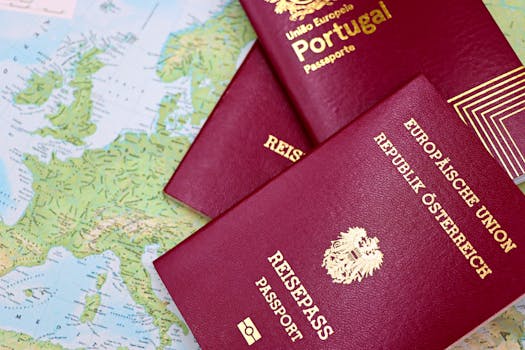
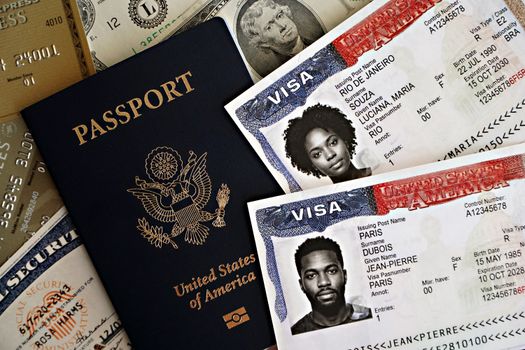
For too long, the visa application process has been the gatekeeper to our wanderlust. A complex, often costly, and time-consuming labyrinth that could deter even the most intrepid traveler. But a seismic shift is happening. Nations are recognizing the immense economic and cultural benefits of increased tourism and are actively dismantling these barriers. This isn't just about convenience; it's about fostering global understanding, boosting local economies, and empowering individuals to experience the richness of our planet with unprecedented ease. We're witnessing a real-time evolution of global mobility, and the implications for how we travel are profound.
Why Now? The Driving Forces Behind the Shift
Several key factors are coalescing to accelerate this visa-free movement:
- Economic Imperative: Post-pandemic recovery has put a laser focus on tourism revenue. Countries are keen to attract international visitors and are streamlining entry requirements to do so.
- Technological Advancements: The rise of e-visas and digital border management systems makes it easier and more secure for governments to process arrivals, reducing the need for traditional, in-person visa applications.
- Geopolitical Realignment: Shifting alliances and a desire for stronger diplomatic and economic ties are leading some nations to offer visa-free access as a gesture of goodwill and partnership.
- The Rise of the Digital Nomad: With the increasing prevalence of remote work, countries are seeing the potential to attract long-term residents who contribute to the local economy. Visa-free or extended stay options are becoming more common.
Spotlight On: Game-Changing Visa-Free Destinations
While the list of countries offering visa-free access is constantly growing, a few recent policy changes are particularly noteworthy for their impact on popular travel routes and emerging destinations.
1. The Iberian Enchantment: Spain and Portugal's Expanded Welcome
H3: Iberian Peninsula: A Gateway to Unforgettable Experiences
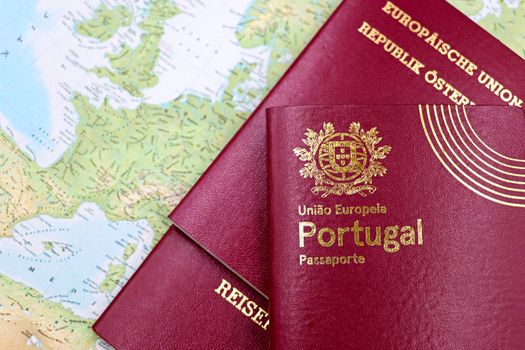
Spain and Portugal, long-time favorites for their sun-drenched beaches, vibrant culture, and delectable cuisine, have significantly eased entry requirements for several nationalities. This means spontaneous tapas crawls in Seville or sunset port wine tastings in Porto are now even more accessible.
Pro-Tip:
For an authentic taste of Lisbon, skip the tourist traps in Alfama and head to the lesser-known Mouraria district for Fado music sung with raw emotion. In Spain, consider visiting smaller Andalusian white villages like Arcos de la Frontera for a truly local experience.
Quick Facts: Spain & Portugal
- Estimated Costs: Budget traveler ($50-70/day), Mid-range ($100-150/day), Luxury ($200+/day)
- Best Time to Visit: Spring (April-May) and Autumn (September-October) for pleasant weather and fewer crowds.
- How to Get There: Major international airports in Madrid, Barcelona, Lisbon, and Porto. Excellent train networks connect cities within both countries.
2. The East Asian Awakening: Japan and South Korea's Open Arms
H3: East Asian Gems: Culture, Cuisine, and Cutting-Edge Tech
Japan's recent move to expand visa-free entry for many countries has sent ripples of excitement through the travel community. Coupled with South Korea's continued commitment to welcoming international visitors, these two powerhouses of culture and innovation are more accessible than ever. Imagine exploring the ancient temples of Kyoto one week and the bustling street food markets of Seoul the next, all without the visa application headache.
Pro-Tip:
In Tokyo, venture beyond Shibuya Crossing to explore the serene Yanaka Ginza shopping street for a taste of old Tokyo. For South Korea, try a temple stay program for a truly immersive cultural experience – often facilitated with simpler visa-on-arrival or visa-free options for eligible nationalities.
Quick Facts: Japan & South Korea
- Estimated Costs: Budget traveler ($60-80/day), Mid-range ($120-180/day), Luxury ($250+/day)
- Best Time to Visit: Spring (March-May) for cherry blossoms, Autumn (September-November) for vibrant foliage.
- How to Get There: Major international airports in Tokyo (Narita, Haneda), Osaka, Seoul (Incheon). Extensive high-speed rail networks.
3. The Adriatic Allure: Croatia's Schengen Integration and Beyond
H3: Adriatic Shores: A Seamless European Adventure
Croatia's full integration into the Schengen Area has simplified travel for many, but it's also part of a broader trend of visa liberalization in the Balkan region. Countries like Albania and North Macedonia are increasingly offering visa-free access, opening up stunning coastlines, rich history, and affordable exploration opportunities that were once more challenging to access.
Pro-Tip:
While Dubrovnik is stunning, consider exploring the lesser-known islands like Vis for pristine beaches and charming fishing villages. In Albania, the Albanian Riviera offers breathtaking scenery with a fraction of the crowds.
Quick Facts: Croatia & Balkan Neighbors
- Estimated Costs: Budget traveler ($40-60/day), Mid-range ($80-120/day), Luxury ($150+/day)
- Best Time to Visit: Summer (June-August) for beaches, Shoulder seasons (May, September) for pleasant weather and fewer tourists.
- How to Get There: International airports in Zagreb, Split, Dubrovnik, Tirana. Ferry services connect coastal towns and islands.
4. The African Renaissance: Morocco's Growing Accessibility
H3: North African Charm: A Tapestry of Culture and Adventure
Morocco has long been a gateway to Africa, and recent policy shifts are making it even more inviting. Visa-free access for an increasing number of nationalities allows for spontaneous explorations of vibrant souks, the majestic Sahara Desert, and the intricate architecture of cities like Marrakech and Fes.
Pro-Tip:
To truly experience Fes, hire a local guide for a day. They can navigate the labyrinthine medina and reveal hidden artisan workshops and quiet riads you’d never find on your own. For a desert experience, opt for a camel trek that includes a night under the stars in a traditional Berber camp.
Quick Facts: Morocco
- Estimated Costs: Budget traveler ($30-50/day), Mid-range ($60-100/day), Luxury ($120+/day)
- Best Time to Visit: Spring (March-May) and Autumn (September-November) for mild temperatures.
- How to Get There: International airports in Marrakech, Casablanca, Fes.
Navigating the New Landscape: Your Insider's Guide
This wave of visa-free policies is a dream for spontaneous travelers, but it still requires a bit of savvy. Here’s how to make the most of it:
Understanding the Nuances:
- Duration of Stay: Visa-free doesn't mean unlimited. Always check the maximum number of days you can stay (e.g., 90 days in a 180-day period for many European countries).
- Purpose of Visit: These policies are typically for tourism and short business trips. Long-term stays, work, or study will still require specific visas.
- Passport Requirements: Ensure your passport has sufficient validity (usually at least six months beyond your intended stay) and enough blank pages.
- Entry/Exit Proof: While not always strictly enforced for visa-free travel, having proof of onward or return travel can be beneficial.
Leveraging the Freedom:
- Embrace Spontaneity: Book that last-minute flight! The biggest perk of visa-free travel is the ability to decide to go now.
- Combine Destinations: With easier border crossings, consider multi-country trips that were previously logistically challenging.
- Explore Off-the-Beaten-Path: Visa-free access often extends to less-visited regions, offering authentic experiences away from the tourist crowds.
The Digital Nomad Angle:
Many countries offering visa-free or relaxed entry are also exploring or have implemented digital nomad visas. This is a separate category, but it’s a testament to the broader trend of welcoming international residents. Keep an eye on these developments if you're looking to extend your stay and work remotely.
The Future of Travel: Borderless and Boundless
This shift towards visa-free policies is more than just a trend; it's a fundamental reimagining of global connectivity. It signifies a move towards a world where experiences are prioritized over paperwork, where curiosity is the only currency needed, and where the vastness of our planet is truly within reach. As an elite travel journalist and an SEO strategist for Tripsora, I can confidently say that the way we plan, book, and experience travel is changing, and it's changing for the better.
Pro-Tip:
Bookmark your favorite travel news sites and government immigration pages. Stay updated, as these policies can evolve. The world is opening up – are you ready to explore?
---