The aroma of freshly ground coffee mingled with the chatter of excited vendors, the morning sun glinting off vibrant fabrics in a bustling market. I was in Oaxaca, Mexico, my first solo trip, and I desperately wanted a specific type of artisanal chocolate. My meager Spanish, painstakingly practiced on Duolingo, felt like a flimsy shield against the rapid-fire words flying around me. I pointed, I gestured, I tried to string together "chocolate... oscuro... almendras?" (dark chocolate... almonds?). The vendor, a woman with kind eyes and a warm smile, listened patiently, then responded in a torrent of Spanish I mostly missed. But then, she said it slower, pointing, "Ah, chocolate amargo con almendras!" I repeated it, she beamed, and suddenly, a bridge was built. That small, triumphant interaction wasn't just about getting my chocolate; it was about connection, about respect, about feeling truly present.
What if I told you that you could have moments like that – genuine, heartfelt connections born from a few simple phrases – during your very own travels this December 2025? Forget the myth of needing years to learn a language. We're not talking about fluency; we're talking about "survival fluency," the kind that opens doors, elicits smiles, and transforms a good trip into an extraordinary one. In just a week, armed with the right mindset and a few strategic tools, you can pick up enough of a local language to navigate, engage, and truly immerse yourself. And trust me, the reward is priceless.
This isn't about memorizing grammar rules; it's about embracing the adventure, making mistakes, and letting curiosity lead the way. Ready to turn your December 2025 getaway into a linguistic adventure? Let's dive in!
Why a Week? The Power of "Survival Fluency"
Before we jump into destinations, let's manage expectations. A week won't make you fluent. You won't be debating philosophy or discussing quantum physics. What you will gain is the ability to:
- Order food and drinks confidently: No more pointing at menus or relying solely on English.
- Ask for directions: Navigate like a local, even if you still get a little lost.
- Haggle respectfully at markets: Score better deals and enjoy the cultural dance.
- Exchange basic greetings and pleasantries: Show respect and make friends.
- Handle simple transactions: Pay for things, ask for the bill.
- Express gratitude and apologize: Essential for any traveler.
This "survival fluency" is a superpower. It shows locals you've made an effort, fostering warmth and hospitality that you simply won't experience if you stick solely to English. It makes you an active participant, not just an observer. And December 2025, with its festive atmosphere and diverse travel opportunities, is the perfect time to give it a try.
Your December 2025 Language Adventure Destinations: Where to Speak in a Week!
I've scoured my travel memories and future forecasts to bring you some prime locations where a week of dedicated effort can yield fantastic linguistic rewards, perfectly timed for December 2025.
1. Spanish in Mexico: Yucatán Peninsula & Oaxaca – Sunshine & Sabor
Why December 2025?
December is peak season in Mexico for a reason: glorious sunshine, pleasant temperatures, and a vibrant, festive atmosphere leading up to Christmas and New Year. The Yucatán offers stunning beaches and Mayan ruins, while Oaxaca provides rich cultural heritage and incredible food. Both are incredibly welcoming to travelers.
Why Spanish in a Week?
Spanish is phonetic, widely spoken, and has relatively consistent grammar for basic phrases. Locals, especially outside major tourist hubs, deeply appreciate any effort to speak their language.
My Experience & Tips:
My Oaxaca chocolate moment wasn't unique. I remember struggling to ask for a specific mezcal at a tasting room, trying to describe the smoky, earthy notes. The owner, instead of just giving me a sample, patiently taught me the words: "ahumado" (smoky), "terroso" (earthy). It transformed a simple transaction into a mini-lesson and a shared laugh.
- Key Phrases to Master (Pre-Trip & On-Ground):
- Hola / Buenos días / Buenas tardes / Buenas noches (Hello / Good morning / Good afternoon / Good evening)
- Por favor / Gracias (Please / Thank you)
- ¿Cuánto cuesta? (How much does it cost?)
- Quiero... (I want...)
- ¿Dónde está...? (Where is...?)
- La cuenta, por favor (The bill, please)
- Sí / No (Yes / No)
- Una cerveza / Un café / Agua (A beer / A coffee / Water)
- ¿Habla inglés? (Do you speak English?) – Use this only as a last resort!
- Immersion Strategy for a Week:
- Pre-Trip (1-2 weeks out): Dedicate 30 minutes daily to Duolingo or Memrise. Focus on greetings, food, and basic questions. Listen to Latin pop music.
- On-Ground:
- Stay Local: Opt for an AirBnB in a residential area or a small, family-run guesthouse.
- Market Mastery: Hit the local markets early. Engage vendors, ask about their products, even if you just point and use "esto, por favor" (this, please). Practice numbers when asking prices.
- Food Focus: Order directly from street food vendors or small comedores. Ask "qué es esto?" (what is this?) about unfamiliar dishes.
- Socialize: If staying in a hostel, find other travelers learning Spanish or join a local language exchange if available.
- Daily Review: Spend 15 minutes each evening reviewing new words learned that day.
- Estimated Cost (1 week, mid-range, Dec 2025):
- Flights: $400-$800 USD (from North America)
- Accommodation: $300-$600 USD (AirBnB/mid-range hotel)
- Food/Activities: $200-$400 USD
- Total: $900 - $1800 USD (excluding flights, this is very doable for a rich experience)
2. Italian in Rome & Florence: Art, History & Espresso
Why December 2025?
While not beach weather, December in Italy offers a magical, less crowded experience. Rome and Florence are adorned with festive lights, Christmas markets pop up, and you can explore world-class museums and ancient sites without the summer throngs. Imagine sipping a cappuccino in a quiet piazza.
Why Italian in a Week?
Like Spanish, Italian is phonetic and a romance language, making basic pronunciation and common phrases relatively accessible. Italians are incredibly warm and expressive, and they absolutely adore it when visitors try their language.
My Experience & Tips:
My first Italian phrase, "Un caffè, per favore!" (A coffee, please!), felt like a superpower in Rome. I remember walking into a tiny, bustling bar near the Pantheon, the air thick with coffee aroma. I blurted out my phrase, and the barista, a gruff but kind man, immediately softened, giving me a nod and a perfect espresso. It’s those small moments of recognition that truly make a trip.
- Key Phrases to Master:
- Ciao / Buongiorno / Buonasera (Hello / Good morning / Good evening)
- Per favore / Grazie (Please / Thank you)
- Quanto costa? (How much does it cost?)
- Vorrei... (I would like...)
- Dov'è...? (Where is...?)
- Il conto, per favore (The bill, please)
- Sì / No (Yes / No)
- Un caffè / Un cappuccino / Acqua (A coffee / A cappuccino / Water)
- Parla inglese? (Do you speak English?) – Again, last resort!
- Immersion Strategy for a Week:
- Pre-Trip: Focus on food vocabulary – it's Italy, after all! Learn names of common dishes, ingredients, and ordering phrases. Listen to Italian opera or pop to get a feel for the rhythm.
- On-Ground:
- Coffee Culture: Order your coffee standing at the bar like a local. Practice "un caffè, per favore," "grazie," and "arrivederci."
- Market Meander: Visit local food markets (mercati). Ask about cheeses, olives, and fresh produce.
- Restaurant Engagement: Try to order in Italian. If you mispronounce, often the waiter will gently correct you, which is a learning opportunity. Ask for recommendations using "Cosa mi consiglia?" (What do you recommend?).
- Gelato Gurus: Practice numbers and flavors at gelato shops.
- Small Talk: Even a "bella giornata!" (beautiful day!) can spark a friendly exchange.
- Estimated Cost (1 week, mid-range, Dec 2025):
- Flights: $600-$1200 USD (from North America)
- Accommodation: $400-$800 USD
- Food/Activities: $300-$600 USD
- Total: $1300 - $2600 USD
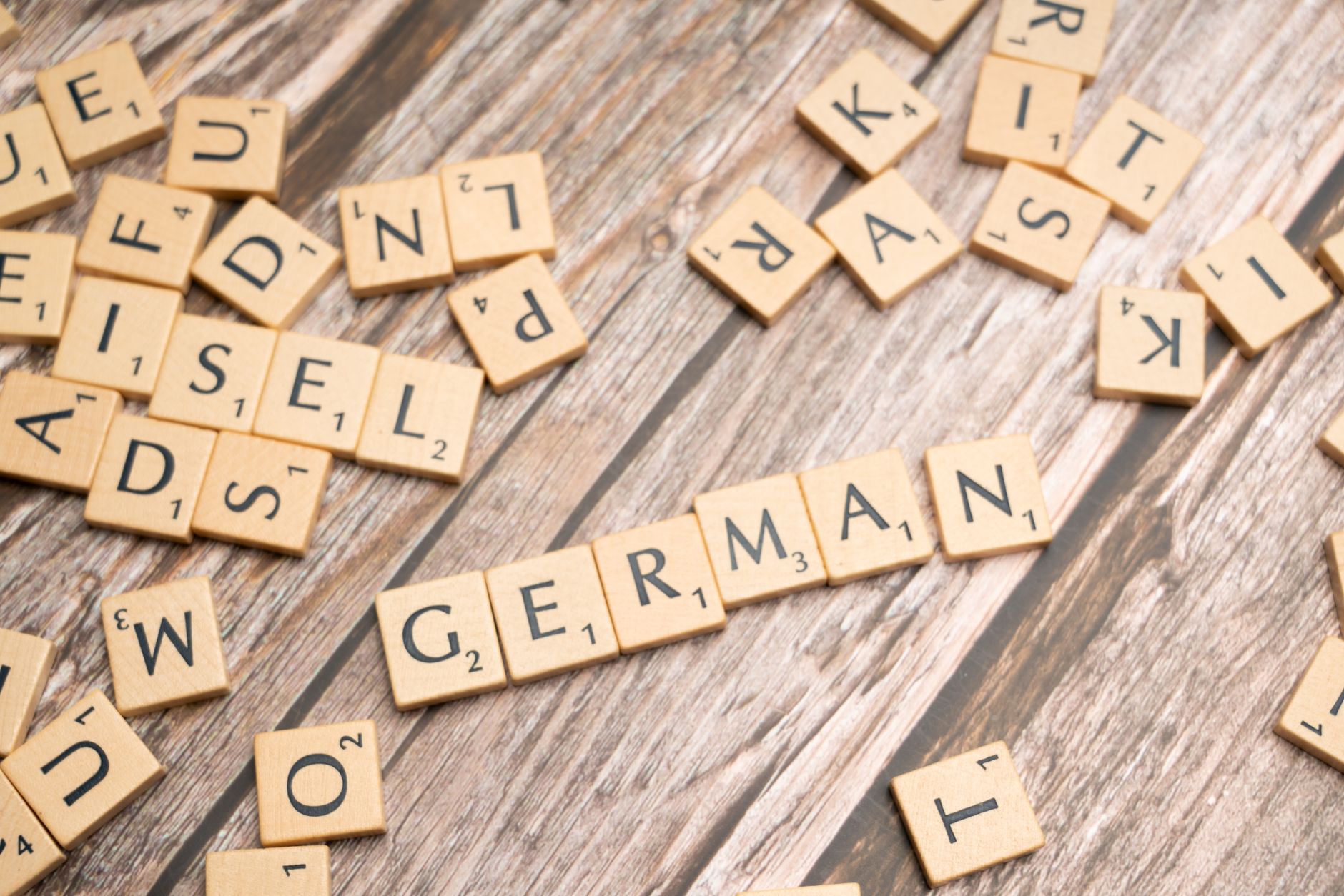
3. German in Germany: Christmas Markets & Cozy Gemütlichkeit
Why December 2025?
Germany in December is synonymous with enchanting Christmas markets (Weihnachtsmärkte). Cities like Munich, Cologne, and Nuremberg transform into festive wonderland. Sipping Glühwein (mulled wine) and browsing handcrafted goods while snow (hopefully!) falls is an unforgettable experience.
Why German in a Week?
German has a reputation for being tough, but for basic interactions, it's surprisingly effective. Germans are generally appreciative of any attempt to speak their language, and a few key phrases will make your Christmas market experience far more authentic and enjoyable.
My Experience & Tips:
My first German Christmas market was in Cologne. I was nervous about ordering my first Glühwein, but I practiced "Ein Glühwein, bitte!" (One mulled wine, please!) repeatedly in my head. When I finally said it, the vendor, a jolly man with a thick beard, gave me a hearty "Jawohl!" and a huge smile. That small success made me feel like I truly belonged, even for a moment, amidst the festive bustle.
- Key Phrases to Master:
- Hallo / Guten Tag / Guten Abend (Hello / Good day / Good evening)
- Bitte / Danke schön (Please / Thank you very much)
- Wie viel kostet das? (How much does that cost?)
- Ich möchte... (I would like...)
- Wo ist...? (Where is...?)
- Die Rechnung, bitte (The bill, please)
- Ja / Nein (Yes / No)
- Ein Glühwein / Ein Bier / Wasser (A mulled wine / A beer / Water)
- Sprechen Sie Englisch? (Do you speak English?) – Use sparingly!
- Immersion Strategy for a Week:
- Pre-Trip: Focus on numbers, food items (especially Christmas market staples like Bratwurst, Lebkuchen), and essential greetings. Listen to German Christmas carols!
- On-Ground:
- Market Magic: This is your prime learning ground! Order your Glühwein, ask about crafts (Was ist das? - What is that?), and practice your "Danke schön" with every purchase.
- Bakery Bliss: Visit local bakeries (Bäckereien) and point to what you want, then try to say its name.
- Public Transport: Listen carefully to announcements on trains and trams. Try to decipher station names.
- Small Shops: Engage with local shopkeepers. Even a simple "Guten Tag!" goes a long way.
- Museum Audio Guides: If available in German with English subtitles, try to follow along.
- Estimated Cost (1 week, mid-range, Dec 2025):
- Flights: $600-$1200 USD (from North America)
- Accommodation: $400-$800 USD
- Food/Activities: $300-$600 USD
- Total: $1300 - $2600 USD
4. Portuguese in Brazil: Rio de Janeiro & Salvador – Samba & Sun
Why December 2025?
December marks the beginning of summer in Brazil, bringing vibrant energy, beautiful beach weather, and a prelude to Carnival festivities. Rio de Janeiro pulsates with life, while Salvador offers rich Afro-Brazilian culture and history. It's an incredible time to experience Brazil's warmth.
Why Portuguese in a Week?
Brazilian Portuguese, while different from European Portuguese, is a beautiful, melodic language. Brazilians are incredibly friendly and patient with learners, and knowing even a few phrases will open up a world of genuine interaction, especially outside major tourist zones.
My Experience & Tips:
I remember my first time trying to order a caipirinha (Brazil's national cocktail) at a beach kiosk in Rio. I stumbled over "Uma caipirinha de limão, por favor!" (One lime caipirinha, please!), and the vendor, a young guy with dreadlocks, just grinned. He repeated it slowly for me, then gave me a thumbs up. Later, he even taught me how to say "cheers" – "Saúde!" – as he handed me my drink. It made that caipirinha taste even better.
- Key Phrases to Master:
- Olá / Bom dia / Boa tarde / Boa noite (Hello / Good morning / Good afternoon / Good evening)
- Por favor / Obrigado/a (Please / Thank you - male/female speaker)
- Quanto custa? (How much does it cost?)
- Eu quero... (I want...)
- Onde é...? (Where is...?)
- A conta, por favor (The bill, please)
- Sim / Não (Yes / No)
- Uma cerveja / Um café / Água (A beer / A coffee / Water)
- Você fala inglês? (Do you speak English?) – Use with discretion!
- Immersion Strategy for a Week:
- Pre-Trip: Focus on basic greetings, food, and numbers. Listen to Bossa Nova or Samba music to get a feel for the rhythm and intonation.
- On-Ground:
- Beach Life: Engage with beach vendors. Practice asking prices for coconuts (água de coco), snacks, or chair rentals.
- Local Bars/Restaurants: Order your food and drinks in Portuguese. Don't be afraid to ask "O que é isso?" (What is that?) about menu items.
- Dance Classes: If you're in Rio or Salvador, consider a samba or capoeira class. Instructors often use basic Portuguese commands, which is a fun way to learn.
- Public Transport: Practice asking for directions or confirming your stop with bus drivers or fellow passengers.
- Friendly Faces: Brazilians are very outgoing. Don't be surprised if a simple "bom dia" leads to a longer, friendly chat (even if you only understand half of it!).
- Estimated Cost (1 week, mid-range, Dec 2025):
- Flights: $700-$1400 USD (from North America)
- Accommodation: $350-$700 USD
- Food/Activities: $250-$500 USD
- Total: $1300 - $2600 USD
Your 7-Day Language Learning Blueprint: Actionable Tips for Rapid Progress
No matter which incredible destination you choose for December 2025, here's your actionable blueprint for maximizing your language learning in just one week:
- Pre-Trip Power-Up (2-4 weeks before):
- App Attack: Spend 20-30 minutes daily on Duolingo, Memrise, or Babbel. Focus on the "Travel" or "Survival" categories.
- Phrasebook Fundamentals: Get a small, physical phrasebook. Highlight the 20-30 most essential phrases.
- Audio Immersion: Listen to podcasts, music, or simple news in your target language. Don't worry about understanding everything; just get used to the sounds.
- Flashcards: Create digital or physical flashcards for your key phrases.
- On-the-Ground Immersion (Days 1-7):
- Embrace the Mistakes: This is the most crucial tip. You will make mistakes. Laugh them off. Locals appreciate the effort more than perfection.
- Start Small, Build Up: Day 1: Master greetings and "please/thank you." Day 2: Add ordering food. Day 3: Directions. And so on.
- Listen Actively: Pay attention to how locals phrase things, their intonation, and common responses. Your ears are your best teachers.
- Repeat, Repeat, Repeat: Hear a new word? Repeat it. Overhear a phrase? Whisper it to yourself.
- Point and Ask: Don't know a word for something? Point to it and ask, "¿Qué es esto?" (Spanish), "Cosa è questo?" (Italian), "Was ist das?" (German), "O que é isso?" (Portuguese).
- Use Tech Wisely: Google Translate is your friend for looking up single words or short phrases, but don't rely on it for full conversations. Use it as a learning aid.
- Engage with Vendors & Service Staff: These are often your best language teachers. They're used to tourists and appreciate the effort.
- Read Signs: Try to decipher street signs, menus, and advertisements. It builds vocabulary and context.
- Journal Your Learning: At the end of each day, jot down 5-10 new words or phrases you learned. This reinforces memory.
- Set Micro-Goals: "Today, I will order my coffee entirely in Italian." "Today, I will ask for directions to one landmark in German."
Budgeting for Your Linguistic Adventure
While the costs above give a range, remember that language learning doesn't have to break the bank.
- Accommodation: Hostels, guesthouses, or AirBnB rooms can be very affordable. Staying with a local family (even through AirBnB) provides fantastic immersion opportunities.
- Food: Eating at local markets, street food stalls, and small, non-touristy restaurants will save you money and give you more chances to practice.
- Activities: Many museums offer free days or student discounts. Walking tours are often tip-based. Focus on free cultural experiences like parks, plazas, and people-watching.
- Transportation: Walking, public transport, or ride-sharing apps (like Uber, which often has local equivalents) are your most economical options.
The investment you make in learning even a little of the local language will pay dividends in richer experiences, deeper connections, and memories that truly stand out.
Unlock Your December 2025 Adventure!
That feeling of truly connecting with someone in their own language, even if just for a fleeting moment, is one of the most rewarding aspects of travel. It strips away the anonymity of being a tourist and replaces it with the warmth of shared humanity. This December 2025, don't just visit; engage. Don't just see; understand.
Whether you're haggling for handicrafts in Oaxaca, savoring a cappuccino in Rome, sipping Glühwein in Cologne, or dancing samba in Rio, a week of dedicated language learning can transform your trip. It's a challenge, yes, but one that promises incredible rewards and unforgettable stories.
So, what are you waiting for? Start practicing those greetings, bookmark this guide, and prepare for a December 2025 adventure that's not just about the sights, but about the sounds, the conversations, and the connections.
Which language will you conquer this December? Share your plans and tips in the comments below! And don't forget to tag #TripsoraLanguageChallenge on Instagram with your linguistic triumphs!
---