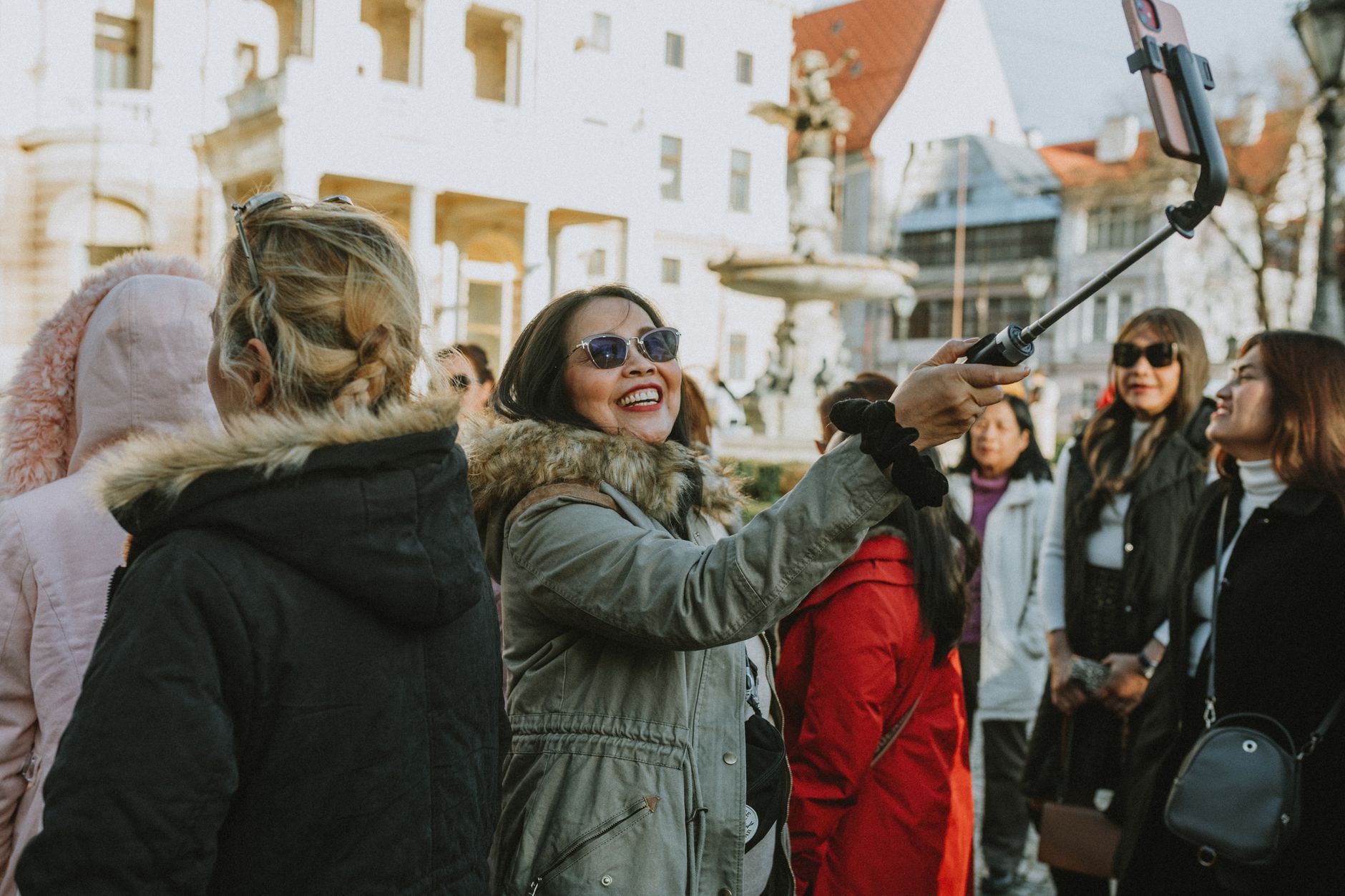
The aroma of freshly baked bread mingled with the scent of pine needles, a symphony only a brisk morning hike in the Dolomites could offer. I was panting, but beaming, surrounded by a group of strangers who, just hours before, had been exactly that – strangers. Now, we were sharing thermos coffee and swapping stories, our shared exertion forging an instant bond. This wasn't a pricey guided tour; it was a local hiking club, and I, a solo traveler from halfway across the world, had somehow found my way in.
For years, my solo travels followed a familiar pattern: picturesque sights, delicious food, and often, a quiet evening alone with a book. While rewarding, I yearned for something more – a deeper connection, a glimpse into the real life of a place, beyond the curated tourist experience. I wanted to laugh with locals, learn their secrets, and truly belong, even if just for a day.
The problem? Most locals guard their favorite spots and activities fiercely, often unknowingly. They're not trying to exclude you; they just operate in their own circles, using their own platforms and word-of-mouth networks. As a tourist, especially a solo one, breaking into these circles can feel like trying to find a hidden speakeasy without the password.
But what if I told you there is a password? And it’s not as complicated as you think. It's a combination of mindset, digital savvy, and a dash of old-fashioned courage. I've spent years refining this approach, and today, I'm pulling back the curtain on how to join group activities as a solo traveler that locals genuinely don't want tourists to know about. Get ready to ditch the guidebook and dive headfirst into authentic adventures.
The Mindset Shift: From Tourist to Temporary Local
Before we even talk about apps or meetups, let’s talk attitude. The biggest hurdle isn't finding these activities; it's believing you can join them.
Embrace the "Yes, And..." Mentality:
This is crucial. When an opportunity arises, even if it feels a little intimidating or outside your comfort zone, say "yes, and..." How can I make this work? What's the worst that can happen? This shift from "no, because..." to "yes, and..." opens doors.
Be a Participant, Not an Observer:
Tourists observe. Locals participate. When you join a local activity, whether it's a pottery class or a beach clean-up, don't just stand back. Engage. Ask questions. Offer to help. Share a laugh. This instantly makes you part of the group, not just an outsider looking in.
Shed Your Expectations:
Forget the polished, Instagram-perfect experiences. Local activities are often raw, messy, and wonderfully unpredictable. Embrace the imperfections – that's where the real stories lie. My best travel memories often involve unexpected detours or hilarious communication breakdowns.
This mindset is your secret weapon. It transforms you from a passive visitor into an active explorer, ready to embrace whatever comes your way.
Digital Detectives: Unearthing Local Hubs Online
In the digital age, locals connect online. Your mission, should you choose to accept it, is to find these digital watering holes.
1. Meetup.com: Your Global Go-To
This is hands-down my number one recommendation. Meetup is a treasure trove of local groups for almost every interest imaginable, from hiking and photography to board games, language exchanges, and even niche book clubs.
* How to use it: Download the app, set your location to your destination, and browse. Search for keywords related to your hobbies (e.g., "hiking," "cooking," "yoga," "photography," "board games").
* Tripsora Tip: Don't just look for "tourist" events. Look for groups like "Barcelona Hiking Enthusiasts," "Berlin Language Exchange," or "Paris Writers' Circle." These are where the locals hang out. Many events are free or low-cost. I once joined a free "Art Walk & Sketch" group in Lisbon through Meetup, spending an afternoon with local artists sketching hidden alleyways. It was magical.
2. Facebook Groups: The Community Nexus
Facebook isn't just for friends anymore; it's a powerful tool for community building.
* How to use it: Search for groups specific to your destination. Think: "Expats in [City Name]," "Digital Nomads [City Name]" (even if you're not one, these groups often share local events), "[City Name] Hiking/Running/Cycling," "[City Name] Foodies," or "What's On [City Name]."
* Tripsora Tip: Join these groups before you arrive. Introduce yourself, mention you're a solo traveler looking to connect with locals and participate in authentic activities. You'll be surprised how many people offer suggestions or even invite you along. I found an amazing "Women Who Hike Rome" group this way, and we explored ancient aqueducts off the main tourist circuit.
3. Eventbrite & Local Event Sites: Beyond the Mainstream
While Eventbrite can list commercial events, it's also used by local organizations for community happenings.
* How to use it: Search for your destination and filter by "free" or "low cost." Also, do a quick Google search for "[City Name] local events calendar" or "[City Name] community events." Many cities have dedicated websites run by local councils or cultural centers that list everything from free concerts in the park to craft fairs and workshops.
* Tripsora Tip: Look for workshops (pottery, painting, cooking), community festivals, farmers' markets with live music, or local talks. I once stumbled upon a free outdoor jazz concert in a Kyoto park through a local event site, joining families picnicking under cherry blossoms.
4. Reddit: The Unfiltered Local Voice
Reddit is a goldmine for insider information.
* How to use it: Find the subreddit for your destination (e.g., r/Barcelona, r/Tokyo). Browse existing threads or post your own question: "Solo traveler looking for local activities/meetups beyond tourist traps." Locals love to share their city's true gems.
* Tripsora Tip: Be specific about your interests. "Any recommendations for local board game nights?" or "Where do locals go for live music on a Tuesday?" The responses can be incredibly insightful and lead to truly unique experiences.
The Power of the Analog: Offline Connections That Count
While digital tools are fantastic, nothing beats old-school, face-to-face interaction.
1. Hostel Common Areas & Notice Boards:
Even if you're not staying in a hostel, many have public cafes or vibrant common areas.
* How to use it: Pop in for a coffee, check their notice board for local events, or simply strike up a conversation. Hostels are hubs for travelers and often have connections to local community events.
* Tripsora Tip: I once found a flyer for a free "local's choice" walking tour in Krakow, led by a university student, just by checking a hostel notice board. It took me to hidden courtyards and explained local legends far better than any commercial tour.
2. Community Centers & Libraries:
These are often overlooked but are the heart of local life.
* How to use it: Look for local community centers or libraries. They almost always have notice boards plastered with flyers for local clubs, classes, and events. Think knitting groups, language classes, art workshops, or even local history talks.
* Tripsora Tip: In a small town in rural France, I found a weekly "café philo" (philosophy café) at the local library. Despite my rusty French, the locals were incredibly welcoming, and I spent a fascinating evening debating existentialism over strong coffee.
3. Cafes, Bars, & Local Shops:
Go beyond the chain stores. Find independent cafes, artisan shops, or neighborhood bars.
* How to use it: Look for notice boards or ask the staff. Baristas and shop owners are often deeply connected to their community and can tell you about upcoming events, local bands playing, or where to find a casual sports game.
* Tripsora Tip: In Portland, Oregon, I asked a bartender where locals went for open mic nights. He pointed me to a dive bar I never would have found otherwise, and I spent a memorable evening listening to local musicians.
4. Volunteer Opportunities:
This is perhaps the fastest way to integrate and give back.
* How to use it: Search for "[City Name] volunteer opportunities" or "[City Name] community service." Look for short-term projects like park clean-ups, helping at a local animal shelter, or assisting at a community garden.
* Tripsora Tip: I spent a morning helping at a local organic farm outside Chiang Mai, Thailand. It was hard work, but I learned about sustainable farming practices, shared a delicious home-cooked meal, and made friends with the local family and other volunteers.
Niche Your Niche: Finding Your Tribe
The easiest way to connect with locals is through shared interests. Instead of just looking for "things to do," think about what you love to do.
- Foodies: Cooking classes (seek out small, independent ones, not the big tourist factories), local market tours (many markets have community cooking demos), "supper clubs" found on Facebook or local event sites.
- Fitness Fanatics: Local running clubs, yoga studios (often have community classes or workshops), hiking groups (Meetup is great for this), cycling clubs.
- Creatives: Art workshops (pottery, painting, photography), open mic nights, local gallery openings, craft fairs.
- Intellectuals: Language exchange meetups, book clubs, philosophy cafes, local university lectures (often open to the public).
- Music Lovers: Local band nights, jam sessions, community choirs, free concerts in parks.
By focusing on your passions, you'll naturally find like-minded locals, making conversations easier and connections deeper.
Navigating the Nuances: Etiquette and Safety
Joining local groups is incredibly rewarding, but it comes with a few considerations.
1. Cultural Sensitivity:
* Do your homework: Understand basic local customs and etiquette. A quick Google search can save you from unintentional faux pas.
* Be respectful: Observe how locals interact and try to adapt. Dress appropriately for the activity.
* Language: Even if you don't speak the language fluently, learning a few key phrases ("hello," "thank you," "excuse me") goes a long way. Google Translate is your best friend for deeper conversations. Don't be afraid to use it!
2. Safety First (Especially for Solo Female Travelers):
* Public meetups: Always choose activities that take place in public, well-lit areas.
* Share your plans: Tell a friend or family member where you're going, who you're meeting, and when you expect to be back.
* Trust your gut: If a situation feels off, politely excuse yourself. It's okay to prioritize your safety.
* Group activities are generally safer: The beauty of joining established groups is that there's usually a clear organizer and multiple participants, reducing the risk compared to one-on-one meetings with strangers.
* Alcohol: Be mindful of your alcohol consumption, especially when with new acquaintances.
3. Manage Expectations:
Not every meetup will lead to a lifelong friendship. Some might be a bit awkward, or you might not click with everyone. And that's perfectly okay! The goal is to experience something new, learn, and have fun. Every interaction is a learning opportunity.
Budgeting for Belonging: Cost-Effective Immersion
One of the beautiful things about joining local activities is that they are often free or significantly cheaper than tourist-oriented alternatives.
- Free: Most hiking groups, language exchanges, community festivals, park concerts, and many volunteer opportunities are free.
- Low Cost: Workshops (cooking, art) might have a material fee, but it's often a fraction of what a tourist class would cost. Board game nights might be at a cafe where you just buy a drink.
- Value: Even if there's a small cost, the value you get in terms of cultural immersion and genuine connection far outweighs it. Compare a €15 local pottery class where you chat with locals for hours to a €15 tourist souvenir you'll forget in a week. No contest.
My Top 3 Unforgettable Local Encounters
To truly show you what’s possible, let me share a few of my favorite "secret" local adventures:
1. Pasta Perfection in Bologna, Italy (The "Non-Tourist" Cooking Class):
* How I found it: Instead of searching TripAdvisor for "Bologna cooking class," I Googled "scuola di cucina Bologna per residenti" (Bologna cooking school for residents). I found a small, family-run culinary institute that primarily catered to locals wanting to hone their skills.
* The Experience: For €60 (a steal compared to tourist classes often €100+), I joined a small group of six, mostly Italian women, learning to make handmade tortellini and tagliatelle from scratch. The instructor, a lively nonna, spoke mostly Italian, but her gestures and the universal language of food transcended any barrier. We laughed, kneaded dough until our arms ached, and then shared our delicious creations over local wine. It felt like being welcomed into a family kitchen, not a classroom. I left with a full belly, new friends, and a deeper appreciation for Emilia-Romagna's culinary heart.
* Instagram Moment: Rolling out impossibly thin sheets of pasta, flour dusting my hands, with a genuine smile surrounded by warm Italian faces.
2. Summiting the "Sleeping Giant" in Queenstown, New Zealand (The Local Hike):
* How I found it: I was staying at a small, independent hostel and noticed a handwritten note on the common room board: "Local's Hike - Ben Lomond Summit. Saturday 7 AM. Experienced hikers only. Meet at base of Skyline Gondola." It listed a local phone number. I called, introduced myself as a solo traveler, and asked if I could join. The organizer, a friendly Kiwi named Liam, welcomed me.
* The Experience: We were a group of eight, all locals except for me and another traveler from Germany. The hike up Ben Lomond, affectionately known as the "Sleeping Giant," was challenging but incredibly rewarding. Liam and the others shared stories of growing up in Queenstown, pointed out hidden waterfalls, and even taught me some local Maori words for the flora and fauna. The panoramic views from the summit were breathtaking, but it was the shared struggle and camaraderie that made it truly special. We celebrated with beers at a local pub afterward, exchanging contact info.
* Instagram Moment: A triumphant group selfie at the summit of Ben Lomond, wind-swept hair, epic mountain backdrop, and genuine smiles of accomplishment.
3. Board Games & Banter in Berlin, Germany (The Casual Connection):
* How I found it: I searched Meetup for "Berlin board games" and found a weekly "Board Game & Chill" night at a cozy cafe in Prenzlauer Berg. It was free, you just bought your own drinks.
* The Experience: I walked in a little nervous, but the atmosphere was immediately welcoming. About 20-30 people, a mix of locals and expats, were already deep in various games. I joined a group playing "Catan," and within minutes, the strategic trading and lighthearted banter had me fully engaged. I learned new games, practiced my rusty German, and met people from all walks of life – a student, a software engineer, a graphic designer. It wasn't a grand adventure, but it was a genuine evening of connection and fun, far removed from the Brandenburg Gate crowds.
* Instagram Moment: A flat lay of colorful board game pieces, a steaming coffee mug, and hands (mine and others') mid-move, capturing the cozy, intellectual vibe.
---
So, there you have it. The secret isn't a hidden map or a special handshake; it's an open mind, a willingness to seek out the less obvious, and the courage to step into local life. These aren't just activities; they're gateways to understanding, to connection, and to memories far richer than any postcard could convey.
Stop being a tourist. Start being a temporary local. Your next unforgettable adventure is waiting.
What's your favorite local activity you've discovered while traveling solo? Share your tips and stories in the comments below! Let's build a community of travelers who know how to truly connect.
---


