Free Flights Using Points: My Mind-Blowing Secrets Revealed!
Picture this: I’m sipping a perfectly chilled glass of Champagne, nestled in a lie-flat business class seat, soaring somewhere over the Pacific. Below, fluffy clouds stretch endlessly, and I’m just hours away from landing in Tokyo, a city I’ve dreamed of exploring for years. The best part? This entire 12-hour flight, which would have cost upwards of $6,000, set me back a mere $140 in taxes and fees, plus some points I’d accumulated.
Sounds like a dream, right? A travel fantasy reserved for the ultra-rich or those with unlimited vacation budgets? Well, my friends, I’m here to tell you it’s not. This isn’t a fluke; it’s my reality, and it can be yours too. For years, I’ve been quietly mastering the art of "travel hacking," using credit card points and airline miles to unlock incredible, often luxurious, flights for pennies on the dollar. And today, I’m finally ready to spill all my mind-blowing secrets.
Forget everything you think you know about expensive travel. We're about to embark on a journey that will transform your travel budget and open up a world of possibilities. Get ready to bookmark this page, because this is the guide you'll keep coming back to.
Section 1: The Mindset Shift – Free Travel Isn't a Myth, It's a Strategy
The first, and perhaps most crucial, step in finding free flights is believing it's possible. For many, the idea of "free" travel conjures images of scams or endless hoops. Let me be clear: this isn't about getting something for nothing. It's about understanding and leveraging the incredibly generous loyalty programs offered by airlines and credit card companies. They want your business, and they're willing to reward you handsomely for it.
My journey into the world of points started years ago, staring at a bank statement after a particularly expensive trip to Europe. I loved exploring, but my wallet was crying. That’s when I stumbled upon a blog post about travel hacking, and a tiny spark ignited. Could I really fly to Rome for just taxes? Could I see the Northern Lights without draining my savings on airfare? The answer, I quickly discovered, was a resounding YES.
Here’s the fundamental shift you need to make:
- View everyday spending as an opportunity: Every dollar you spend, whether on groceries, bills, or dining out, can be earning you points towards your next adventure.
- Understand the value of points: Not all points are created equal. Learning how to maximize their value through smart redemptions is key.
- Be strategic, not reckless: This isn't about going into debt. It's about responsible credit card use and informed decision-making.
This isn't just about saving money; it's about unlocking experiences you might never have thought possible. That business class flight to Tokyo? It wasn't just about comfort; it was about arriving refreshed and ready to hit the ground running, transforming a grueling journey into part of the adventure itself.
Section 2: Your Golden Ticket – Credit Cards & Sign-Up Bonuses
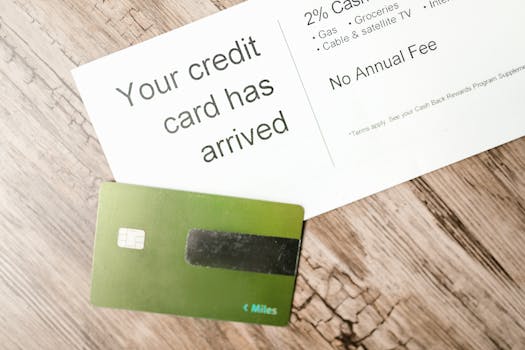
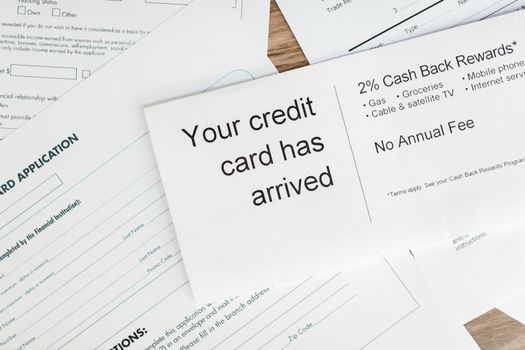
Let's get straight to the biggest, most impactful secret: credit card sign-up bonuses. This is where the vast majority of my "free" points come from, and it's how you can quickly rack up enough miles for a significant flight.
Imagine a credit card offering 60,000 bonus points after you spend $4,000 in the first three months. That's not a small amount; 60,000 transferable points can easily get you a round-trip flight to Europe, Hawaii, or even a one-way business class seat on an international route.
Here's how I approach it:
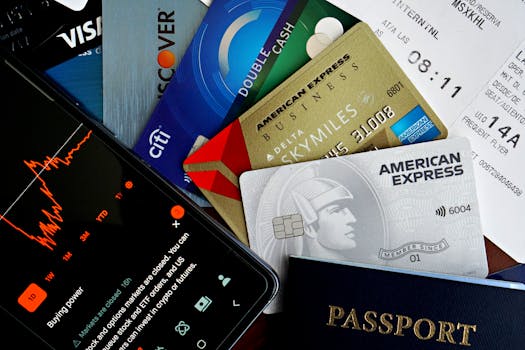
- Identify Top-Tier Transferable Points Cards: These are your bread and butter. Cards like the Chase Sapphire Preferred/Reserve, American Express Gold/Platinum, and Citi Premier earn points that can be transferred to multiple airline and hotel partners. This flexibility is crucial because it allows you to shop for the best redemption value.
- Chase Ultimate Rewards (UR): My personal favorite. Partners include United, Southwest, British Airways, Singapore Airlines, Hyatt, Marriott, etc. I've used UR to fly United to Costa Rica, Southwest within the US, and even transferred to Hyatt for incredible hotel stays.
- American Express Membership Rewards (MR): Excellent for international travel. Partners like ANA, Delta, Emirates, Air Canada, Hilton, Marriott. I once transferred Amex MR to ANA for that "free" business class flight to Tokyo – an absolute steal!
- Citi ThankYou Points: Good for a variety of airlines including Turkish Airlines, Virgin Atlantic, Cathay Pacific.
- Focus on the Sign-Up Bonus: The bonus is the primary reason to open a new card. Ensure you can comfortably meet the minimum spending requirement without overspending or going into debt. I often align new card applications with large planned expenses, like paying for an annual insurance premium, a home repair, or even pre-paying a few months of utility bills if allowed.
- Understand Annual Fees: Many premium travel cards come with annual fees ($95-$550+). Don't let this scare you! Often, the value of the sign-up bonus alone far outweighs the first year's fee. Plus, these cards often come with perks like travel credits, lounge access, and enhanced earning rates that can justify the fee in subsequent years. For example, my Chase Sapphire Reserve has a higher annual fee, but the $300 travel credit effectively brings it down significantly, not to mention lounge access and primary car rental insurance.
- Responsible Credit Card Use is Paramount: This strategy only works if you pay your balance in full, every single month. Interest payments will quickly negate any value you get from points. Your credit score is a valuable asset; treat it as such.
My Personal Anecdote:
My first truly "mind-blowing" redemption was a round-trip flight to Hawaii. I opened a Chase Sapphire Preferred card, hit the minimum spend, earned 50,000 points, and transferred them to United Airlines. Those points, plus about $20 in taxes, got me from Los Angeles to Maui and back. The feeling of stepping off that plane onto the warm Hawaiian tarmac, knowing my flight was essentially free, was exhilarating and completely hooked me on this game.
Section 3: Beyond the Bonus – Maximizing Your Point Earnings
While sign-up bonuses are the fastest way to amass points, consistent everyday earning keeps your travel fund topped up. Think of it as a continuous stream of opportunities.
1. Category Bonuses: Pay attention to which cards offer bonus points on specific spending categories.
* Chase Sapphire Reserve: 3x points on dining and travel.
* Amex Gold: 4x points on US supermarkets and dining.
* Citi Premier: 3x points on air travel, hotels, restaurants, supermarkets, and gas stations.
I align my spending: groceries on Amex Gold, travel/dining on Chase Sapphire, and everything else on a card where I'm working towards a minimum spend.
2. Shopping Portals: This is a hidden gem! Before you make any online purchase, check shopping portals like Rakuten (which earns Amex MR points or cash back), Chase Shopping Portal, or airline-specific portals (e.g., United MileagePlus Shopping, American AAdvantage eShopping). You can earn extra points per dollar spent at thousands of retailers. I've earned thousands of extra points just by remembering to click through these portals for everything from clothing to electronics.
* Example: Need a new laptop? Check Rakuten. A 10x points offer on a $1,000 laptop could net you an additional 10,000 Amex MR points – enough for a domestic flight!
3. Dining Programs: Link your credit cards to airline dining programs (e.g., AAdvantage Dining, SkyMiles Dining). When you eat at participating restaurants, you'll automatically earn extra miles. It's effortless points!
4. Referral Bonuses: Once you have a card you love, refer friends and family! Most issuers offer significant bonuses (e.g., 10,000-20,000 points) for successful referrals. I've earned enough points for several domestic flights just through referrals. It's a win-win: your friends get a great card, and you get closer to your next free flight.
5. Strategic Bill Pay: Look for opportunities to pay recurring bills with your points-earning credit cards. Many utility companies, insurance providers, and even some landlords allow credit card payments (though watch out for fees that might negate the point value).
It's about creating a system. My wallet isn't just a place for cash; it's a carefully curated collection of cards, each with a specific purpose, all working in concert to fuel my travel dreams.
Section 4: Mastering Redemption – The Art of the "Sweet Spot"
Earning points is only half the battle; redeeming them wisely is where the true magic happens. This is where you transform those numbers in your account into tangible travel experiences.
- Transfer Partners are Your Best Friends: This is the core of maximizing value. Instead of redeeming points directly through your credit card portal (which often gives a fixed, lower value), transfer them to an airline loyalty program.
- Example: 50,000 Chase Ultimate Rewards points might be worth $750 through the Chase travel portal (1.5 cents/point with Sapphire Reserve). But if you transfer those 50,000 points to United and find a saver award flight to Europe, it could be worth $1,500-$2,000+ in cash value, easily giving you 3-4 cents/point!
- Seek Out "Sweet Spots": These are specific redemptions that offer exceptionally high value. They often involve:
- Flying partners: Using one airline's miles to fly on a partner airline (e.g., using United miles to fly Lufthansa).
- Specific routes: Some routes or regions require fewer points than others.
- Business/First Class: This is where points truly shine. A $10,000 business class ticket might only cost 70,000-100,000 points, offering incredible value.
- Example 1: ANA Business Class: As I mentioned, my flight to Tokyo. I transferred Amex MR points to ANA Mileage Club. ANA is known for fantastic business class redemptions at relatively low point costs, especially for round trips. I found a round-trip business class flight from the US to Japan for ~95,000 ANA miles + ~$200 in taxes. The cash price was over $6,000. That's over 6 cents per point!
- Example 2: Short-haul flights with British Airways Avios: British Airways charges based on distance. Short, direct flights on BA or their partners (like American Airlines or Alaska Airlines) can be incredibly cheap in points. I've flown from the West Coast to Mexico for just 15,000 Avios round trip.
- Example 3: United to Europe: Often 60,000-70,000 United miles for a round-trip economy flight to Europe, which can be a great deal when cash prices are high.
- Flexibility is Key: The more flexible you are with your travel dates, destinations, and even which airline alliance you fly, the better your chances of finding award availability.
- Tools: Use tools like Google Flights to find cheap cash fares, then use airline award calendars (e.g., United's "flexible dates" search) or sites like Award Hacker to see which programs offer the best redemption rates for your desired route.
- Book in Advance (or Last Minute): Award seats are limited. For popular routes or premium cabins, booking 9-11 months in advance is often necessary. However, some airlines release last-minute award space, so it's worth checking a few weeks out if your plans are flexible.
- Watch Out for Fuel Surcharges: Some airlines (like British Airways on their own metal) pass on significant fuel surcharges when you redeem miles. Always compare the points + cash cost before transferring. This is why flexible transferable points are so valuable – if one airline charges high fees, you can often transfer to a partner that doesn't.
My most recent "free" flight was a spontaneous trip to Mexico City. I had a stash of Chase UR points, and with a quick search on United's website (a Chase transfer partner), I found a round-trip flight for 30,000 miles and about $70 in taxes. Walking through the vibrant streets of Roma Norte, sipping horchata, I couldn't help but smile, knowing how little it cost me to get there. It’s these moments that make the “game” so incredibly rewarding.
Section 5: The "Trifecta" Strategy – Combining Forces for Ultimate Value
To truly maximize your earning and redemption potential, I recommend building a "trifecta" of transferable points cards. This involves holding cards from different issuers (e.g., Chase, Amex, Citi) to diversify your point earnings and redemption options.
Why a Trifecta?
- Diversified Earning: You can leverage the best category bonuses from each issuer. For example, use your Amex Gold for 4x on groceries, your Chase Sapphire Reserve for 3x on dining/travel, and a Citi Premier for 3x on gas.
- Wider Range of Transfer Partners: Each issuer has unique airline and hotel transfer partners. By having access to Chase UR, Amex MR, and Citi ThankYou points, you gain access to a much broader spectrum of loyalty programs, increasing your chances of finding that perfect award flight or sweet spot.
- Redundancy: If one program devalues or changes its rules, you have other options.
- Increased Sign-Up Bonus Potential: You can strategically open new cards from different issuers over time, continually earning those lucrative sign-up bonuses.
My Personal Trifecta (or Quadfecta!):
- Chase Sapphire Reserve: My primary "travel" card. Great for dining and travel multipliers, lounge access, and the excellent UR transfer partners.
- American Express Gold Card: My "food" card. Unbeatable 4x on US supermarkets and dining.
- Chase Freedom Flex/Unlimited: These are "no annual fee" cards that earn Chase UR points (as cashback). I use them for their rotating 5x categories (Freedom Flex) or 1.5x on everything (Freedom Unlimited), then combine the points with my Sapphire Reserve to transfer to partners. This allows me to earn points on virtually all my spending.
- An Airline Co-Branded Card (e.g., United Explorer, Southwest Rapid Rewards): While not transferable, these cards often come with perks like free checked bags, priority boarding, and anniversary points that can be valuable for an airline you fly frequently. I use my United card for the free checked bag alone, saving me $70 per round trip!
This layered approach ensures I'm always earning points efficiently and have a diverse pool of currencies to draw from when planning my next adventure. It's like having a well-stocked pantry for travel, ready for any culinary (or in this case, flight) creation.
Section 6: Common Pitfalls & How to Avoid Them
While the world of free flights is incredibly rewarding, there are a few traps to avoid.
- Falling into Debt: I cannot stress this enough: do NOT spend money you don't have just to earn points. Pay your balances in full, every month. Interest charges will quickly wipe out any value you gain from points. This strategy is for financially responsible individuals.
- The "Chase 5/24 Rule": Chase has an unwritten rule: if you've opened 5 or more personal credit cards across all banks in the last 24 months, you'll likely be denied for most of their cards. This is crucial because Chase Ultimate Rewards are arguably the most valuable. Plan your card applications strategically, prioritizing Chase cards first if you're interested in their ecosystem.
- Ignoring Annual Fees: Don't just pay an annual fee blindly. Evaluate if the benefits (travel credits, lounge access, free bags, point multipliers) outweigh the cost. If not, consider downgrading to a no-fee version of the card or canceling it (but only after the first year, to avoid clawbacks of your sign-up bonus).
- Devaluations: Loyalty programs can change their rules or point values at any time. This is why it's generally a good idea to "earn and burn" – don't hoard points indefinitely. Earn them, find a great redemption, and use them!
- Transferring Points Blindly: Once points are transferred to an airline or hotel program, they generally cannot be transferred back. Always confirm award availability before initiating a transfer. I often put an award flight on hold (if the airline allows) before transferring points.
My biggest learning curve was understanding the 5/24 rule. I initially applied for cards haphazardly, and then when I wanted a specific Chase card, I was denied. It taught me the importance of research and strategic planning.
Section 7: Your Journey Starts Now – Take Flight!
So, are you ready to have your mind blown? Are you ready to see the world without the burden of expensive airfare? This isn't just about saving money; it's about freedom. It's about being able to say yes to that spontaneous trip, to visit family across the globe more often, or to finally take that dream vacation you thought was out of reach.
I've flown to Bali, Japan, Mexico, Hawaii, Costa Rica, and across the US, all thanks to this strategy. Each trip has been an unforgettable chapter in my travel story, made possible by understanding how to leverage points.
This isn't an overnight trick; it's a journey that requires a bit of research, a dash of strategy, and a commitment to responsible financial habits. But the rewards? They are truly mind-blowing.
Here’s your call to action:
- Start Small: Pick one transferable points credit card (like the Chase Sapphire Preferred if you're eligible for 5/24) and focus on earning its sign-up bonus responsibly.
- Educate Yourself: Dive deeper into the specific loyalty programs that appeal to you. Read blogs, watch videos, join online communities.
- Dream Big: What's your next dream destination? Start researching how many points it would take to get there.
The world is waiting, and your "free" flight is just a few smart moves away. Don't let the fear of complexity hold you back. The moment you step off that plane, knowing you beat the system, will be a moment you'll never forget.
Now go forth, earn those points, and start planning your next incredible adventure! And when you do, be sure to share your "free flight" stories with me on social media using #TripsoraFreeFlights – I can't wait to see where your points take you!
---