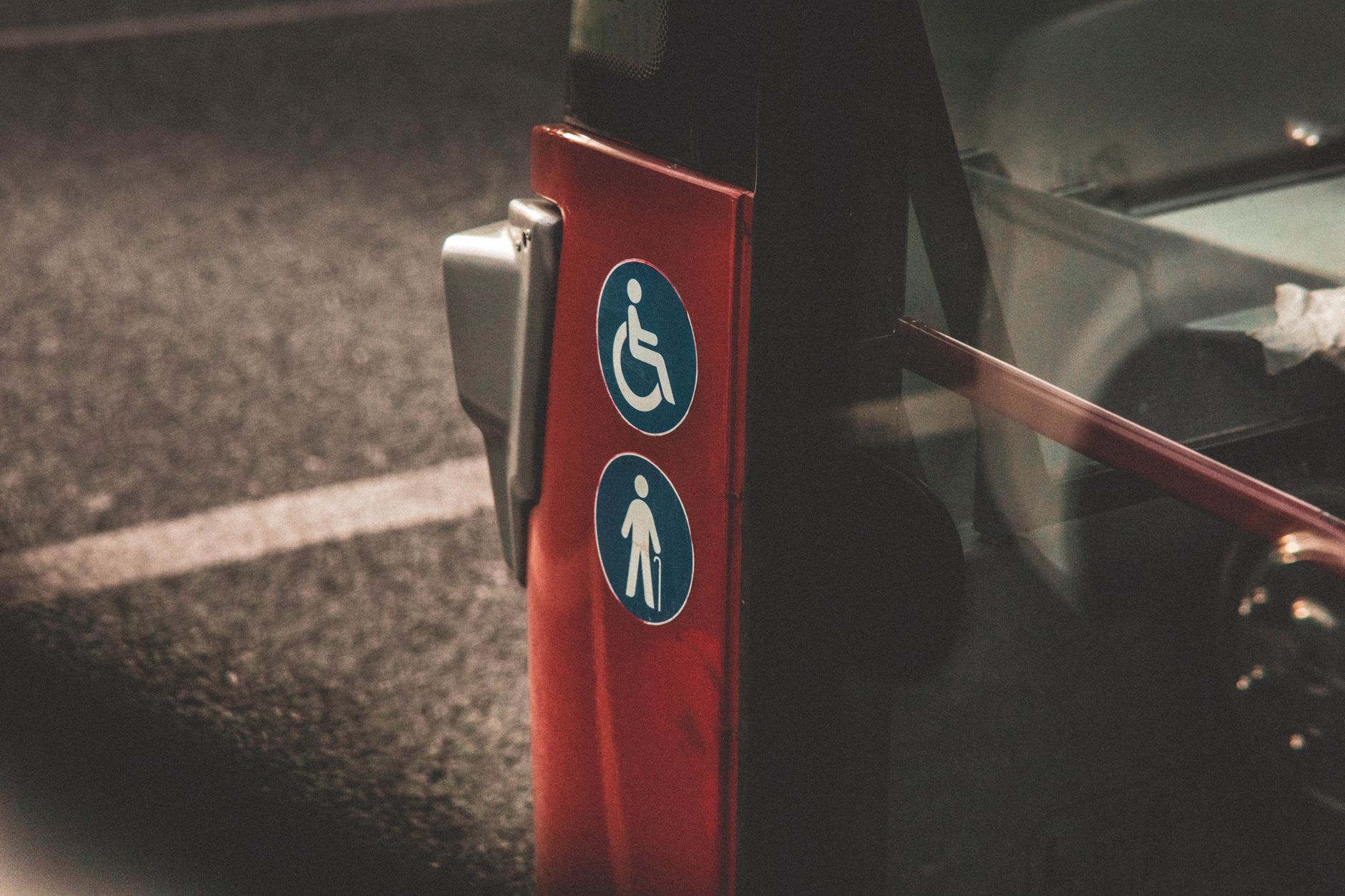
The Hook: A Symphony of Sensory Delights and Seamless Access
I stepped off the train in Kyoto, the air thick with the sweet, earthy scent of damp moss and the distant, melodic chime of temple bells. My usual pre-trip anxiety, a familiar companion on many journeys, was noticeably absent. This wasn't just another trip; it was a meticulously planned pilgrimage to a place where inclusivity wasn't an afterthought, but the very foundation. As I navigated the bustling station, I noticed something different – wider pathways, clear tactile signage, and helpful attendants who anticipated needs before I even voiced them. This was the promise of travel without barriers, a promise that, thankfully, is becoming a reality in a growing number of hotels designed specifically for accessibility.
Beyond the Ramp: Redefining Accessible Hospitality
For too long, "accessible" meant a ramp and a grab bar. While crucial, these are merely the baseline. The truly groundbreaking hotels are embracing universal design principles, creating spaces that are not only usable by people with diverse abilities but are also beautiful, comfortable, and downright luxurious for everyone. This isn't about segregation; it's about integration and thoughtful design that enhances the experience for all guests.
H3: The Rise of Sensory-Inclusive Sanctuaries
One of the most exciting frontiers in accessible hotel design is the focus on sensory needs. For individuals with autism, sensory processing disorders, or even those simply seeking a tranquil escape, these hotels offer a haven.
- The "Calm Room" Concept: Imagine stepping into a room where the lighting is adjustable, from soft, ambient glows to complete darkness. Walls are sound-dampened, and textures are intentionally chosen to be soothing – think smooth, natural wood and plush, low-pile carpets. These rooms often feature visual timers, weighted blankets, and a curated selection of calming activities.
- Auditory Comfort: Beyond just soundproofing, some hotels are actively managing ambient noise. This might mean strategically placed water features to mask city hum, or even offering noise-canceling headphones upon request.
- Visual Clarity: High-contrast color schemes, Braille signage, and clear, uncluttered layouts are paramount. Think of the subtle elegance of matte finishes that reduce glare, or the gentle illumination of floor-level lighting to guide movement.
Pro-Tip:
When booking, don't hesitate to ask about their specific sensory features. A good hotel will have detailed information and staff trained to discuss your needs.
H3: The Seamless Journey: From Arrival to Departure
Accessibility shouldn't start and end at the hotel room door. The most forward-thinking establishments consider the entire guest journey.
- Arrival Experience: This means accessible parking that's close to the entrance, automatic doors, and a reception desk with a lowered section for wheelchair users. Some even offer dedicated check-in areas to avoid queues and overwhelming stimuli.
- Navigating the Property: Wide corridors, elevator access to all floors, and clear, intuitive signage are non-negotiable. Look for hotels that have mapped out accessible routes, not just for guest rooms but for amenities like restaurants, pools, and spas.
- Room Design That Empowers: This is where the magic truly happens.
- Bathrooms: Roll-in showers with ample turning space, adjustable showerheads, integrated seating, and lever-style faucets are standard. Beyond that, you'll find grab bars strategically placed for maximum utility, not just as an afterthought. Vanity sinks are often at a height that allows for comfortable use from a seated position.
- Living Spaces: Furniture is arranged to allow for easy maneuverability. Beds are at accessible heights, and bedside tables are designed to be easily reached. Closet rods are often lowered.
- Technology: Voice-activated controls for lights, temperature, and entertainment are becoming increasingly common, offering a new level of independence.
Pro-Tip:
Look for hotels that offer virtual tours of their accessible rooms. This allows you to visualize the space and ensure it meets your specific requirements.
H3: Culinary Inclusivity: Dining Without Compromise
Food is a universal language, and accessible hotels are ensuring everyone can partake in its joys.
- Menu Adaptations: This goes beyond just offering gluten-free options. Think about menus with larger print, Braille versions, or even audio menus. Staff should be trained to understand dietary restrictions and allergies with absolute clarity.
- Table Accessibility: Dining tables are at varied heights, ensuring comfortable seating for wheelchair users. Ample space between tables allows for easy navigation.
- Sensory Considerations in Dining: Some restaurants within these hotels offer quieter dining times or designated quieter zones, recognizing that a bustling restaurant can be overwhelming for some.
Pro-Tip:
Inform the hotel of any specific dietary needs or preferences well in advance of your arrival. This allows them to prepare and ensure a seamless dining experience.
Case Studies: Stars of Accessible Hospitality
While the list is ever-growing, a few establishments are consistently leading the charge. These aren't just hotels with accessible rooms; they are hotels built with accessibility at their core.
The Lumina Hotel, Vancouver, Canada
Nestled amidst the vibrant energy of downtown Vancouver, The Lumina is a beacon of modern, accessible luxury. Their commitment to universal design is evident from the moment you enter.
- Sensory Haven Rooms: They offer dedicated "Calm Rooms" with adjustable lighting, soundproofing, and tactile elements.
- Intuitive Navigation: Wide corridors, tactile floor indicators, and an intelligent elevator system make getting around effortless.
- Bathroom Excellence: Their accessible suites feature spacious roll-in showers with multiple grab bars, hand-held showerheads, and integrated seating. The vanity is perfectly positioned for seated use.
- Culinary Delights: The in-house restaurant offers Braille menus and staff are exceptionally knowledgeable about dietary needs.
Quick Facts - The Lumina Hotel:
* Estimated Cost ($$): $250 - $450 per night
* Best Time to Visit: Spring (April-May) for mild weather and fewer crowds, or Fall (September-October) for stunning autumn foliage.
* How to Get There: Vancouver International Airport (YVR) is a 30-minute taxi or accessible shuttle ride away. The hotel is also easily accessible via public transit from the airport.
Insider Insight:
The hotel's concierge is incredibly well-versed in local accessible attractions and can arrange guided tours or accessible transportation for your explorations.
The Serenity Sands Resort, Maui, Hawaii, USA
Imagine waking up to the gentle rhythm of the Pacific, the scent of plumeria wafting through the air. The Serenity Sands Resort has transformed the idea of an accessible beach vacation into a reality.
- Beach Access: They boast a state-of-the-art beach access system, including Mobi-Mats and beach-friendly wheelchairs, allowing guests to truly experience the sand and surf.
- Accessible Suites: These aren't just rooms; they are thoughtfully designed havens with lowered controls, wider doorways, and accessible balconies offering breathtaking ocean views.
- Sensory-Friendly Pool Area: The resort has designated quieter times at their pool and offers sensory tools like water-resistant fidget toys.
- Farm-to-Table Dining: Their restaurant emphasizes fresh, local ingredients and is adept at handling complex dietary requirements with grace and creativity.
Quick Facts - The Serenity Sands Resort:
* Estimated Cost ($$$): $400 - $700 per night
* Best Time to Visit: Shoulder seasons (April-May, September-October) offer pleasant weather and fewer crowds.
* How to Get There: Fly into Kahului Airport (OGG). Accessible shuttles and taxis are available for the approximately 45-minute transfer.
Insider Insight:
Book a "Sunrise Experience" through the concierge. They can arrange for accessible transportation to a prime viewing spot, complete with locally sourced breakfast pastries.
The Artisan's Haven, Florence, Italy
For the art and history lover, Florence presents a unique challenge. The Artisan's Haven, a boutique hotel tucked away in a less-trafficked corner of the Oltrarno district, proves that historic charm and modern accessibility can coexist beautifully.
- Historic Charm, Modern Comfort: While the building boasts centuries of history, the renovation has been meticulous. Accessible rooms are located on lower floors, and a discreet, modern elevator has been installed.
- Thoughtful Room Design: Expect lower light switches, lever door handles, and bathrooms with roll-in showers and well-placed grab bars. The antique furnishings are complemented by practical, accessible features.
- Local Immersion: The hotel staff are passionate about Florence and can provide personalized recommendations for accessible museums, galleries, and cobblestone-free routes.
- Florentine Flavors: The breakfast room is easily navigable, and the hotel can arrange for private cooking classes with chefs who are experienced in adapting recipes for various needs.
Quick Facts - The Artisan's Haven:
* Estimated Cost ($$): $200 - $350 per night
* Best Time to Visit: Spring (April-May) and Fall (September-October) offer pleasant temperatures for exploring the city.
* How to Get There: Florence Airport (FLR) is a 20-30 minute taxi ride. The hotel is also accessible by train to Florence Santa Maria Novella station, followed by a short, accessible taxi ride.
Insider Insight:
Ask the hotel about their "secret garden" – a small, tranquil courtyard that's perfect for a quiet moment with a book and a caffè.
The Budget & Logistics of Accessible Travel
Planning an accessible trip doesn't have to break the bank. Here’s a breakdown of what to consider:
| Feature | Estimated Cost ($) | Best Time to Visit | How to Get There |
| :------------------- | :----------------- | :----------------- | :------------------------------------------------------------------------------------------------------------------- |
| Luxury Accessible Hotels | $$$$ (400+) | Shoulder Seasons | Major international airports; accessible private transfers or specialized transport services. |
| Mid-Range Accessible Hotels | $$$ (250-400) | Year-round | Major airports or train stations; accessible taxis, ride-sharing, or public transit. |
| Boutique Accessible Hotels | $$ (200-350) | Spring/Fall | Smaller airports or train stations; accessible local transport or pre-booked transfers. |
| Accessible Flights | Varies | Book in Advance | Airlines have specific procedures; book accessible seating and services when making your reservation. |
| Accessible Ground Transport | Varies | Pre-book | Specialized accessible van rentals, pre-booked wheelchair taxis, or accessible public transportation networks. |
Pro-Tip:
Traveling during the shoulder seasons (spring and fall) often means lower prices and fewer crowds, making your accessible travel experience even more enjoyable.
Embracing the Future of Travel
The landscape of travel is shifting, and the focus on hotels designed specifically for accessibility is a testament to progress. These aren't just accommodations; they are gateways to experiences, offering freedom, independence, and the sheer joy of exploration. As more establishments embrace universal design and prioritize the needs of all travelers, the world becomes a more welcoming place, one beautifully designed room at a time.