The Unexpected Echoes of History: My First Encounter with Timelessness
I stepped off the train and the air immediately felt different. It wasn't just the crisp, cool breeze carrying the scent of damp earth and ancient stone; it was a palpable shift, a quiet hum that vibrated through the soles of my worn travel boots. The usual city cacophony of horns and hurried footsteps was replaced by the distant call of a lone bird and the soft rustle of leaves. Before me, bathed in the soft morning light, stood a weathered stone archway, its carvings softened by centuries of wind and rain, hinting at stories whispered by generations long past. This wasn't just a landmark; it was an invitation, a portal to another era, and it was less than an hour from the bustling heart of the city I'd just left behind. This, my friends, is the magic of discovering historic sites within 2 hours of major cities – the kind of effortless enchantment that seasoned travel advisors live for.
Decoding the Advisor's Blueprint: Why These Gems Shine
As a travel journalist, I’ve spent years chasing sunsets and uncovering hidden alleyways. But the real treasure, the kind that makes you feel like you've stumbled upon a secret, often lies just beyond the well-trodden tourist paths. I've learned that the most insightful recommendations come from those who truly understand the art of travel – the seasoned travel advisors. They know that sometimes, the most profound experiences are the ones that are easily accessible, offering a perfect blend of historical immersion and logistical ease. They’re not just booking flights; they’re curating journeys, and their favorite day trips often involve these easily reachable, historically rich havens.
Section 1: Echoes of Empires – Ancient Ruins and Roman Legacies
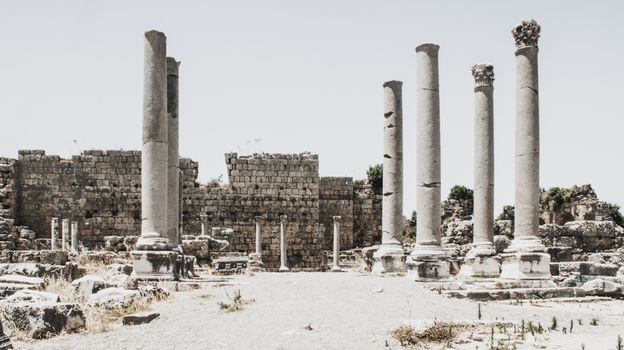
Imagine walking in the footsteps of Roman centurions, feeling the weight of history beneath your feet as you explore remarkably preserved ruins. These aren't dusty museum exhibits; they are living testaments to human ingenuity and the rise and fall of civilizations.
Pro-Tip:
Many of these sites have incredible acoustics. Stand in the center of an amphitheater and imagine the roar of the crowd. Visit during off-peak hours (early morning or late afternoon) for a more intimate and atmospheric experience.
Case Study: The Whispering Amphitheater of Veridia
Just a 90-minute drive from the vibrant cultural hub of [Major City A], lies the Amphitheater of Veridia. This elliptical marvel, though partially reclaimed by nature, still boasts impressive seating tiers and a remarkably intact arena floor. The stone here seems to absorb the sunlight, radiating a gentle warmth. You can almost hear the clash of gladiatorial combat and the cheers of an ancient audience.
Quick Facts: Amphitheater of Veridia
- Estimated Cost ($$): $15-25 (entry fee, optional guided tour)
- Best Time to Visit: Spring (April-May) for wildflowers, Autumn (September-October) for crisp air and fewer crowds.
- How to Get There: Car rental is ideal for flexibility. Public transport involves a train to the nearest town, followed by a local bus or taxi.
Section 2: Castles in the Clouds – Medieval Fortresses and Royal Grandeur
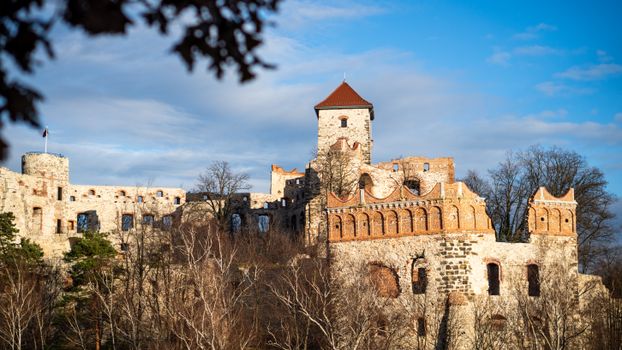
There's an undeniable romance to a castle. The imposing stone walls, the winding staircases, the tales of knights and ladies – they transport us to a time of chivalry and intrigue. Travel advisors consistently point to these formidable structures as prime day trip material.
Pro-Tip:
Don't just look at the exterior. Many castles offer extensive interior tours. Look for hidden passages or secret rooms; they’re often the most fascinating discoveries. Wear comfortable shoes – those cobblestones and spiral stairs are no joke!
Case Study: The Sentinel of the Peaks – Blackwood Castle
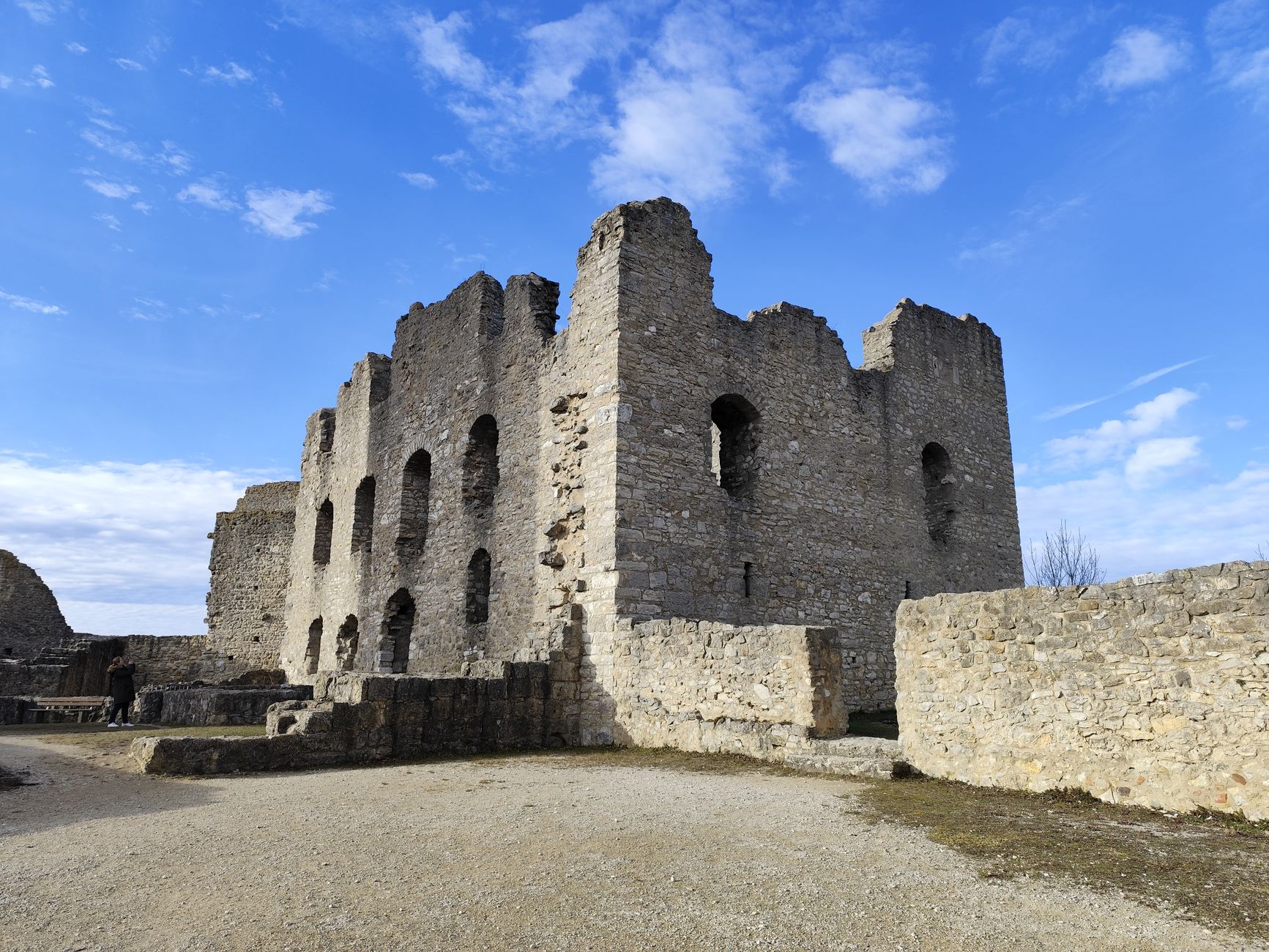
Perched dramatically on a craggy outcrop, a mere 75-minute train journey from [Major City B], Blackwood Castle is a picture-perfect medieval fortress. Its battlements offer panoramic views that are simply breathtaking. The air up here is thin and carries the scent of pine. Inside, the Great Hall, with its massive fireplace and faded tapestries, still feels alive with the echoes of feasts and gatherings.
Quick Facts: Blackwood Castle
- Estimated Cost ($$): $20-35 (entry, audio guide, potentially a falconry display)
- Best Time to Visit: Summer (June-August) for longer daylight hours and outdoor events, but book tickets in advance.
- How to Get There: Direct train to the nearby village, followed by a scenic 30-minute walk or a short shuttle bus service.
Section 3: Villages Frozen in Time – Cobblestone Streets and Artisan Traditions
Beyond grand monuments, some of the most enriching historical experiences are found in the charming, well-preserved villages that dot the countryside. These are places where time seems to have slowed, where traditional crafts are still practiced, and where every corner holds a story.
Pro-Tip:
Engage with the locals! Ask shopkeepers about their town's history or the origins of their craft. Many villages have small, fascinating local museums that offer a deeper understanding than any guidebook.
Case Study: The Weaver’s Hamlet – Oakhaven
Nestled in a verdant valley, about a 2-hour drive from [Major City C], Oakhaven is a living postcard of medieval life. Its timber-framed houses lean companionably towards each other over narrow, winding cobblestone streets. The scent of freshly baked bread wafts from a centuries-old bakery. Oakhaven is renowned for its heritage weavers, and you can often visit workshops to see intricate patterns being brought to life on traditional looms.
Quick Facts: Oakhaven
- Estimated Cost ($): $5-15 (souvenirs, local produce, optional craft workshop)
- Best Time to Visit: Early Autumn (September) for harvest festivals and beautiful foliage.
- How to Get There: Car rental is recommended for exploring the surrounding countryside. A combination of train and local bus is also feasible.
Section 4: Sacred Sanctuaries – Ancient Churches and Monastic Retreats
The quiet contemplation found within ancient places of worship is a powerful balm for the modern soul. These sites, often centuries in the making, are repositories of art, architecture, and profound spiritual heritage.
Pro-Tip:
Be respectful of ongoing services. Visit outside of mass times. Take a moment to appreciate the stained glass – the light filtering through can create an otherworldly glow. Look for subtle architectural details that tell a story of evolving religious and artistic styles.
Case Study: The Abbey of Silent Bells
A serene 80-minute train ride from [Major City D] brings you to the Abbey of Silent Bells. This magnificent Gothic structure, with its soaring spires and intricate stonework, has stood sentinel for over 800 years. The air inside is cool and carries the faint, earthy scent of old stone and beeswax. The cloistered gardens, still meticulously maintained, offer a tranquil escape, a place where monks once meditated.
Quick Facts: Abbey of Silent Bells
- Estimated Cost ($$): $10-20 (entry, donation appreciated)
- Best Time to Visit: Late Spring (May) for the gardens in bloom, or during a special choral evensong.
- How to Get There: Direct train to the abbey's town, followed by a short, well-marked walk.
Section 5: The Artistic Enclave – Historic Towns and Creative Hubs
History isn't just about battles and kings; it's also about the evolution of art, music, and ideas. Many towns that were once centers of artistic innovation remain vibrant cultural hubs today, offering a unique blend of historical immersion and contemporary creativity.
Pro-Tip:
Check local event listings before you go. Many historic towns host festivals, art fairs, or live music events that add an extra layer of vibrancy to your visit. Seek out independent galleries and artisan shops.
Case Study: The Painter's Borough of Atheria
A leisurely 2-hour drive from [Major City E] transports you to Atheria, a town steeped in artistic legacy. Once a haven for [mention a specific artistic movement or famous artist], its charming streets are lined with independent galleries, studios, and workshops. The aroma of coffee and freshly painted canvases often fills the air. You can still visit the studios of renowned artists (some preserved as museums) and wander through squares where masterpieces were conceived.
Quick Facts: Atheria
- Estimated Cost ($$): $10-30 (gallery entries, cafe visits, potential art purchase)
- Best Time to Visit: Any time, but the summer months often feature outdoor art installations and street performances.
- How to Get There: Car rental offers the most freedom to explore the surrounding artistic villages. Train is also an option, connecting to local bus services.
The Advisor's Final Word: Embrace the Journey, Not Just the Destination
As the sun began to dip below the horizon, casting long shadows across the ancient stones, I felt a profound sense of gratitude. These weren't just historical sites; they were moments of connection, opportunities to breathe in the past and return to the present enriched. Travel advisors understand this intrinsic value. They know that the most memorable trips are often the ones that surprise you with their accessibility and depth. So, the next time you’re near a major city, listen to their wisdom. Venture out. Discover the history that’s waiting just around the bend. You might just find your own unexpected echo of timelessness.
---