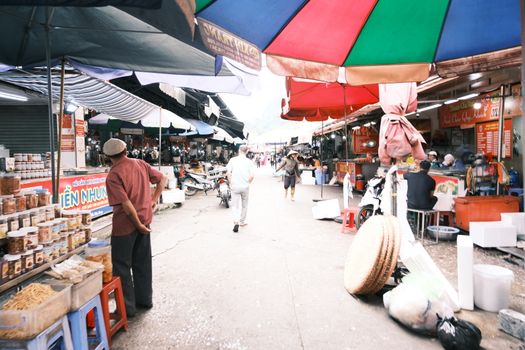
The Hook: A Symphony of Sizzle and Spice, Far From the Madding Crowd
I stepped off the overnight train in Chiang Mai, the pre-dawn air still cool and carrying the faint, tantalizing aroma of something deeply savory. It wasn't the frenetic energy of Bangkok's famous night markets that drew me here, but a whispered promise of something more authentic, more real. The hum of the city was a gentle murmur, a stark contrast to the thrumming intensity I'd experienced elsewhere. As I wandered towards the Warorot Market (Kad Luang), the first rays of sun began to paint the sky in hues of rose and gold, illuminating stalls that were already coming to life, not with tourists, but with locals stocking up for the day. The air was thick with the perfume of fresh herbs, the sharp tang of fermented fish sauce, and the sweet, comforting scent of steaming rice. This was it. This was the kind of culinary immersion I craved.
Beyond the Tourist Trail: Unveiling Culinary Sanctuaries
Bangkok's food markets are legendary, and for good reason. They are a vibrant, chaotic, and delicious introduction to Thai cuisine. But as any seasoned traveler knows, the true magic often lies just beyond the well-trodden path. The crowds can be overwhelming, sometimes detracting from the genuine experience. This guide is for those who seek the same incredible flavors, the same sensory overload, but with a more intimate, authentic connection to the local culture. We're talking about markets where the vendors greet you with genuine smiles, not just practiced pitches, and where the dishes served are the very ones locals have been enjoying for generations.
1. Chiang Mai, Thailand: The Heartbeat of Northern Thai Flavors
While Bangkok gets the lion's share of the foodie spotlight, Chiang Mai offers a distinct and equally captivating culinary landscape. The Warorot Market (Kad Luang) is the undisputed king here.
- Why it's better than Bangkok (without crowds): Kad Luang operates from early morning, meaning you can experience its bustling energy before the tourist buses arrive. It's a wholesale market as much as a retail one, giving you an unparalleled glimpse into the daily life of Chiang Mai. The Northern Thai cuisine here is a revelation – think Khao Soi, Sai Oua (Northern Thai sausage), and Nam Ngiao.
- The Vibe: Less about neon lights and more about the warm glow of bare bulbs, the clatter of metal woks, and the friendly banter between vendors and their regulars. The smells are intoxicating: roasting chilies, galangal, lemongrass, and the sweet aroma of sticky rice.
- Insider Tip: Arrive between 6 AM and 8 AM for the freshest produce and the most authentic market experience. Don't miss the dedicated section for local sweets and preserves – the 'Kalamay' (a chewy caramel candy) is divine.
Quick Facts: Warorot Market (Kad Luang)
- Estimated Cost ($): $5 - $15 per meal (depending on what you order)
- Best Time to Visit: 6:00 AM - 10:00 AM for peak local activity, 4:00 PM - 7:00 PM for a slightly more relaxed evening buzz.
- How to Get There: Easily accessible by songthaew (red shared taxis) from anywhere in Chiang Mai Old City. A short walk from the Ping River.
2. Penang, Malaysia: A Melting Pot of Flavors on the Island
Penang is often called the "food capital of Malaysia," and its street food scene is legendary. While Georgetown's famous hawker centers can get packed, the Pulau Tikus Market offers a more local, less overwhelming experience.
- Why it's better than Bangkok (without crowds): Pulau Tikus is a true neighborhood market, frequented by locals doing their daily shopping. You'll find a fantastic array of Malay, Chinese, and Indian influences, showcasing Penang's rich cultural tapestry through its food. The focus here is on fresh ingredients prepared with generations of culinary wisdom.
- The Vibe: A vibrant symphony of colors and sounds. The air is alive with the aroma of spices, the sizzle of satay, and the sweet fragrance of tropical fruits. You'll see vendors expertly preparing dishes like Assam Laksa, Char Kway Teow, and Roti Canai.
- Insider Tip: The market itself is a daytime affair, but the surrounding streets come alive with hawker stalls in the evenings. Look for the unassuming stall selling ‘Lor Bak’ (five-spice meat rolls) – it’s a local institution. For the best Assam Laksa, venture a few blocks away to find the "Penang Road Famous Teochew Chendul" stall, but be prepared for a small queue here, it's worth it!
Quick Facts: Pulau Tikus Market & Surrounds
- Estimated Cost ($): $4 - $12 per meal
- Best Time to Visit: 8:00 AM - 12:00 PM for the market's main activity. Evening hawker stalls from 6:00 PM onwards.
- How to Get There: Take a bus or taxi from Georgetown. It's located in the Pulau Tikus district, about a 15-20 minute drive.
3. Hoi An, Vietnam: The Ancient Town's Culinary Soul
Hoi An's charm is undeniable, and its food scene is a significant part of that. While the Ancient Town itself can be crowded, the Hoi An Central Market offers a more authentic, less tourist-centric experience, especially in the early morning.
- Why it's better than Bangkok (without crowds): The Hoi An Central Market is a hub of local activity. While it caters to tourists, it remains a vital part of daily life for residents. You can find incredible Cao Lau (Hoi An's signature noodle dish), Banh Mi, and fresh seafood here, often prepared with a more refined, local touch than you might find in the busiest tourist spots. The sheer variety of fresh produce is astounding.
- The Vibe: A bustling, colorful scene filled with the chatter of vendors, the calls of porters, and the enticing aromas of grilled meats and fragrant herbs. The architecture of the market itself, with its distinctive tiled roofs, adds to the atmosphere.
- Insider Tip: For the absolute best Cao Lau, seek out the small, unnamed stalls deep within the market, often run by older women who have perfected the recipe over decades. Go before 9 AM to avoid the midday heat and crowds. Don't shy away from the fresh fruit stalls; the mangoes and dragon fruit are exceptional.
Quick Facts: Hoi An Central Market
- Estimated Cost ($): $3 - $10 per meal
- Best Time to Visit: 7:00 AM - 10:00 AM for local buzz and freshest ingredients.
- How to Get There: Located right in the heart of Hoi An, on the banks of the Thu Bon River. Easily walkable from most accommodations in the Ancient Town.
4. Singapore: The Hawker Culture Redefined
Singapore's hawker centers are world-renowned, and while some are undeniably popular, others retain an authentic, local charm without the overwhelming throngs. Tiong Bahru Market is a prime example.
- Why it's better than Bangkok (without crowds): Tiong Bahru Market is a two-tiered marvel. The ground floor is a wet market, a bustling hive of activity showcasing the freshest produce, seafood, and meats. The second floor is a hawker center, offering a diverse range of delicious and affordable Singaporean dishes. It’s popular with locals, but the sheer size and efficient turnover mean you rarely feel overwhelmed.
- The Vibe: Clean, organized, and buzzing with culinary energy. The aromas are a delightful mix of fragrant spices, savory broths, and sweet desserts. You can find everything from Hainanese Chicken Rice and Satay to Chwee Kueh (steamed rice cakes).
- Insider Tip: Arrive early for the best seats and the freshest offerings. Look for the stall selling "Chwee Kueh" with their perfectly crisp radish topping – it's a breakfast staple. The "Tiong Bahru Pau" stall is also a must-try for their steamed buns.
Quick Facts: Tiong Bahru Market
- Estimated Cost ($): $5 - $15 per meal
- Best Time to Visit: 7:00 AM - 11:00 AM for the market and breakfast/lunch.
- How to Get There: Accessible via the Tiong Bahru MRT station, followed by a short walk.
5. Kyoto, Japan: The Culinary Heart of Tradition
Kyoto, known for its refined cuisine, offers a market experience that is as elegant as it is delicious. Nishiki Market, while popular, offers a different kind of "crowd" – one of appreciation for quality and tradition.
- Why it's better than Bangkok (without crowds): Nishiki Market is often called "Kyoto's Kitchen." It's a narrow, covered street lined with over 100 stalls selling everything from fresh produce and seafood to pickles, tea, and traditional sweets. While it attracts visitors, the atmosphere is one of curated culinary exploration rather than chaotic bustling. It's an opportunity to sample exquisite Japanese ingredients and specialties in a refined setting.
- The Vibe: A feast for the senses, but with a distinctly Japanese sense of order and aesthetic. The stalls are immaculately presented, showcasing vibrant colors and textures. The aromas are subtle yet enticing: roasted tea, delicate soy sauce, and the briny scent of fresh seafood.
- Insider Tip: Go with an empty stomach and a curious palate. Sample the tsukemono (pickles), the grilled skewers, and the freshly made mochi. Look for the "Tamagoyaki" (rolled omelet) stalls – they are a delightful sweet and savory treat. The market is best explored by walking its length slowly, allowing yourself to be drawn in by the displays.
Quick Facts: Nishiki Market
- Estimated Cost ($): $10 - $25 per person for sampling (can add up!)
- Best Time to Visit: 10:00 AM - 3:00 PM for most stalls to be open and lively.
- How to Get There: Located in central Kyoto, a short walk from Shijo Station on the Karasuma Subway Line.
The Art of the Culinary Expedition
Navigating these markets is an experience in itself. It’s about more than just eating; it’s about engaging with the culture, understanding the ingredients, and appreciating the skill of the vendors. The "Pro-Tips" are not just suggestions; they are keys to unlocking the most authentic experiences. Visiting early, looking for the less flashy stalls, and engaging with vendors (even with a smile and a few basic phrases) can transform your culinary journey. These markets are living, breathing entities, and the best way to experience them is to immerse yourself in their rhythm.
Your Next Culinary Adventure Awaits
While Bangkok's culinary scene is undeniably incredible, the world is brimming with hidden food markets that offer equally, if not more, profound gastronomic experiences, minus the overwhelming crowds. These destinations provide a chance to connect with local culture on a deeper level, to taste dishes prepared with generations of love and expertise, and to create memories that will last a lifetime. So, pack your bags, bring your appetite, and get ready to discover your new favorite food market – one that’s better than Bangkok, crowd-free, and waiting just for you.
---