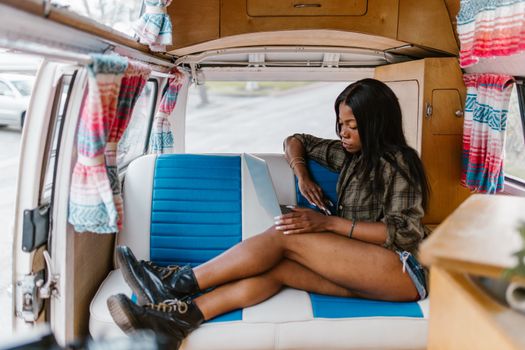
The Hook: A Tuesday Night in Ponta do Sol
I stepped off the regional bus in Ponta do Sol, Madeira, and was immediately hit by the scent of wild fennel, damp eucalyptus, and the sharp, salty mist of the Atlantic crashing against basalt cliffs. It was 6:00 PM on a Tuesday. Instead of the usual, slightly anxious solo traveler routine—fumbling with Google Maps, checking into a sterile hotel room, and wondering where to eat dinner alone—I walked straight into a restored 18th-century manor house.
On the terrace, a dozen people from six different continents were sharing plates of garlic-butter lapas (limpets) and sipping local Poncha. Someone handed me a glass.
"You must be Alex," they said. "We saved you a seat for family dinner."
This is the reality of coliving spaces revolutionizing solo travel in June 2026. The landscape of solo travel has shifted. We are no longer content with just "visiting" places; we want to live in them, belong to them, and work from them without sacrificing our productivity or our mental health.
---
1. The Death of the Hostel and the Rise of Intentional Coliving
For decades, solo travelers had two primary choices: the social but chaotic hostel (where you risked a 12-bed dorm with a chorus of snorers) or the isolating privacy of an Airbnb. The former drained your energy; the latter drained your soul.
In June 2026, the travel industry has reached a tipping point. The modern solo traveler is often a remote worker, a creative entrepreneur, or a professional on a "workation." We demand "intentionality." We want curated communities where we can close our laptops at 5:00 PM and immediately step into a pre-organized, high-vibe social circle.
Why June 2026 is the Tipping Point
Several factors have converged to make this month the golden era of coliving:
* The Global Nomad Visa Boom: Over 60 countries now offer streamlined digital nomad visas, making long-term stays legally seamless.
* Infrastructure Maturity: High-speed Starlink integration is no longer a luxury; it is a standard utility.
* The Loneliness Epidemic Cure: Travelers are actively seeking structured environments that foster deep, professional, and personal connections rather than superficial pub-crawl friendships.
---
2. The Top 4 Coliving Hubs Redefining the Solo Experience This June
To help you navigate this brave new world, I spent the last six months embedded in coliving spaces across the globe. These four properties are leading the revolution this summer.
```
+------------------+-----------------------+-----------------+---------------------+-----------------------------------+
| Hub Name | Location | Est. Cost/Month | Best Time to Book | How to Get There |
+------------------+-----------------------+-----------------+---------------------+-----------------------------------+
| Lydian Manor | Ponta do Sol, Madeira | $2,400 - $3,200 | 4 months in advance | Fly to FNC, 40-min taxi or bus |
| Kanso House | Koenji, Tokyo | $1,800 - $2,500 | 6 months in advance | JR Chuo Line to Koenji Station |
| Casa Selva | Oaxaca City, Mexico | $1,500 - $2,100 | 3 months in advance | Fly to OAX, 20-min airport shuttle|
| Peak & Pine | Chamonix, France | $2,800 - $3,600 | 5 months in advance | Bus from Geneva Airport (GVA) |
+------------------+-----------------------+-----------------+---------------------+-----------------------------------+
```
---
Hub 1: Lydian Manor (Ponta do Sol, Madeira, Portugal)
Brutalist concrete meets traditional Portuguese stone.
Perched on a cliffside overlooking the Atlantic, Lydian Manor is a masterpiece of architectural integration. The communal areas are made of exposed volcanic rock, while the private micro-suites feature minimalist, warm oak interiors.
- The Vibe: High-achieving tech founders and creative directors who start their day with sunrise yoga and end it with fireside masterminds.
- Pro-Tip: The hidden entrance to the coastal hiking trail starts right behind the yellow chapel at the top of the driveway. Hike it at 6:30 AM to catch the sunrise over the sea cliffs without another soul in sight. To get the absolute best ocean view, request Room 402 in the East Wing—the balcony catches the late afternoon sun perfectly.
---
Hub 2: Kanso House (Koenji, Tokyo, Japan)
Tech-forward minimalism in Tokyo's coolest vintage district.
Kanso House is a masterclass in spatial design. Located in the bohemian neighborhood of Koenji—famous for its underground music scene and vintage clothing stores—this space features shou sugi ban (charred cedar) paneling, tatami-scented communal tea rooms, and ultra-soundproofed deep-work pods.
- The Vibe: Silent productivity by day, vinyl listening sessions and sake tastings by night.
- Pro-Tip: The entrance is disguised as a vintage vinyl shop facade on Koenji-dori. Slide the wooden panel next to the vintage jazz poster to access the resident keyless entry pad. If you need absolute silence, the third-floor library has a strict "no whispering" policy enforced by a very polite resident tea master.
---
Hub 3: Casa Selva (Oaxaca City, Mexico)
A lush, creative sanctuary fueled by mezcal and clay.
Casa Selva is built around a central courtyard overflowing with monsteras, wild banana palms, and climbing bougainvillea. The architecture features high ceilings, raw plaster walls, and locally sourced red clay tiles.
- The Vibe: Writers, ceramicists, and slow-travelers who want to learn local culinary traditions and dye fabrics with cochineal.
- Pro-Tip: Skip the crowded tourist markets. Ask Sofia, the resident community manager, to introduce you to Don Mario down the street. He runs a private, backyard mezcal distillery and lets Casa Selva residents taste rare wild agave varieties for a fraction of the price of the boutique tasting rooms.
---
Hub 4: Peak & Pine (Chamonix, France)
High-altitude alpine adventure meets high-performance work.
For those who need adrenaline to fuel their creativity, Peak & Pine offers a Scandinavian-style chalet experience. Think light pine wood, glass-walled saunas facing Mont Blanc, and a gear room stocked with premium mountain bikes and climbing harnesses.
- The Vibe: Mountaineers, trail runners, and remote executives who work on North American time zones so they can ski or hike all morning.
- Pro-Tip: To beat the morning rush at the Aiguille du Midi cable car, use the resident-only QR code on the kitchen bulletin board to book the 7:15 AM "mountaineer" slot. You will be on the glacier before the tourist buses even arrive.
---
3. Deciphering the Vibe: How to Choose Your Tribe
Not all coliving spaces are created equal. Choosing the wrong one can result in a month of frustration. In 2026, spaces have self-segmented into distinct categories:
The Productivity Purists
These spaces operate like quiet monasteries. They feature ergonomic Steelcase chairs, dual-monitor rental stations, and strict quiet hours. If you are launching a startup or writing a book, this is your zone.
* Key indicator on their website: Look for mentions of "deep-work blocks" and "monk mode."
The Social Seekers
These spaces prioritize community events, communal cooking, and weekend excursions. They are highly social, and while they have good Wi-Fi, the focus is on shared human experiences.
* Key indicator on their website: Look for photos of long communal dinner tables and mentions of "family dinners" or "daily workshops."
---
4. The Tech and Infrastructure Checklist for 2026
In June 2026, fast Wi-Fi is a utility, not a selling point. What sets elite spaces apart is their attention to professional-grade infrastructure. When booking, ensure your chosen space has:
- Acoustic Phone Booths: Double-paned glass booths with studio-grade microphones for client calls.
- Power Redundancy: Solar battery backups (like Tesla Powerwalls) are essential, especially in regions like Oaxaca or parts of Southern Europe prone to summer grid strain.
- Ergonomic Workstations: Height-adjustable standing desks and professional task lighting.
---
5. The Dark Side of Coliving (And How to Avoid It)
It is not all sunset Ponchas and collaborative brainstorming. Coliving burnout is a real phenomenon. Spending 24 hours a day with the same group of people in the same building can lead to social fatigue.
Setting Boundaries in Shared Spaces
To survive and thrive, adopt these three rules:
1. The Red Headphone Rule: When your headphones are on in the communal space, you are invisible. No one should interrupt you unless the building is on fire.
2. Book a Private Bathroom: Do not compromise on this. Shared bathrooms are the number one source of friction in coliving spaces. Pay the premium for your own private sanctuary.
3. Take "Out-of-House" Days: At least twice a week, work from a local café or spend the day exploring solo. Distance makes the communal dinners much sweeter.
---
6. The Financial Reality: Cost Breakdown & ROI
Is coliving actually cheaper than booking a private Airbnb and a coworking hot desk? Let's look at the math for a typical one-month stay in Southern Europe (Madeira/Portugal) in June 2026.
```
+-----------------------------------+-----------------------------------+
| Traditional Solo Travel Setup | Next-Gen Coliving Setup |
+-----------------------------------+-----------------------------------+
| Private Airbnb: $2,200 | All-Inclusive Coliving: $2,800 |
| Coworking Desk Pass: $350 | Gym/Sauna Access: Included |
| Gym Membership: $80 | Coffee/Tea/Basic Pantry: Included |
| Networking/Social Events: $200 | Community Events/Workshops: Incl. |
| Utilities & High-Speed Wi-Fi: $150| Utilities & Starlink: Included |
+-----------------------------------+-----------------------------------+
| Total: $2,980 | Total: $2,800 |
+-----------------------------------+-----------------------------------+
```
Beyond the literal dollar amount, the Return on Investment (ROI) in terms of time saved is immense. You do not waste hours researching where to work, how to meet people, or dealing with unreliable utility companies. You arrive, plug in, and immediately start living.
---
The Verdict: Why You Must Try It This June
The coliving revolution is not just a passing trend; it is the logical evolution of how we interact with the world. By blending the freedom of remote work with the deep human need for connection, these spaces have unlocked a new way of being.
This June, don't just travel to a place. Move in. Share a meal. Learn a local craft. Work alongside people who challenge and inspire you. Your seat at the table is waiting.
---