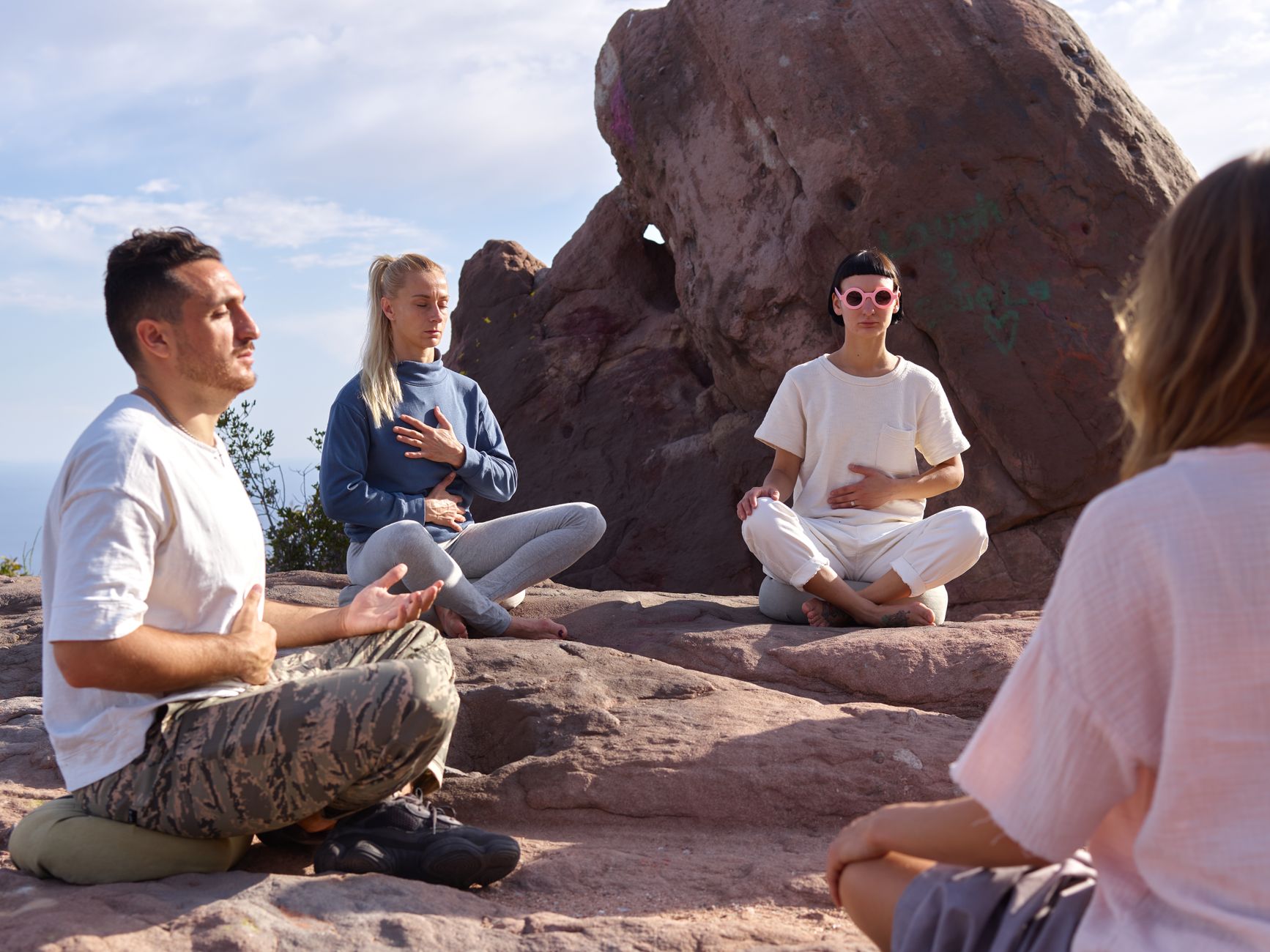
The Ascent to Serenity: My First Breathwork Retreat at Altitude
I stepped off the train, the thin air hitting me like a gentle, invigorating slap. It was a crisp autumn morning in the Swiss Alps, and the scent of pine needles mingled with the faint, sweet aroma of distant woodsmoke. The silence wasn't empty; it was alive with the whisper of the wind through the larch trees and the distant chime of cowbells. This was my initiation into the world of high-altitude breathwork retreats, a journey I’d only dreamt of, meticulously curated by the travel advisors I trust implicitly. My lungs, accustomed to the dense, humid air of the coast, felt a novel lightness, a promise of the deep cleansing that awaited.
Why High Altitude? The Synergistic Power of Air and Breath
It might sound counterintuitive – seeking out thinner air for breathwork. But that’s precisely where the magic lies. Travel advisors, the true alchemists of wanderlust, consistently point to the unique benefits of combining breathwork with high-altitude environments.
- Enhanced Oxygen Uptake: While it takes a few days to acclimatize, the body begins to produce more red blood cells, improving oxygen efficiency. This heightened state of oxygenation can amplify the effects of breathwork, leading to deeper states of consciousness and cellular regeneration.
- Natural Detoxification: The thinner air, coupled with the physical exertion often involved in mountain exploration, naturally encourages deeper breathing and, consequently, more efficient expulsion of toxins.
- Mental Clarity & Focus: The stark beauty and profound silence of high-altitude landscapes have a remarkable effect on the mind. Reduced sensory input allows for greater introspection, making breathwork sessions even more potent for clearing mental clutter and fostering deep insights.
- Spiritual Connection: Many high-altitude locations are revered for their spiritual energy. The combination of breathwork and these sacred spaces can facilitate profound spiritual awakenings and a deeper connection to oneself and the universe.
Pro-Tip:
Give yourself at least 24-48 hours to acclimatize to the altitude before diving into intense breathwork sessions. Hydrate generously with water and consider light, easily digestible meals.
Global Gems: Breathwork Sanctuaries Above the Clouds
The travel advisors at Tripsora have scoured the globe, identifying retreats that masterfully blend the transformative power of breathwork with the awe-inspiring grandeur of high-altitude settings. Here are a few of their top-tier recommendations:
1. The Andean Awakening: Sacred Valley, Peru
Nestled amidst the ancient Inca heartland, these retreats offer a potent blend of shamanic wisdom and modern breathwork techniques. Imagine practicing conscious breathing with the majestic peaks of the Andes as your backdrop, the air alive with the echoes of a forgotten civilization.
- What to Expect: Daily breathwork sessions (often incorporating traditional Andean techniques), guided meditations, plant-based cuisine, hikes to ancient ruins, and opportunities for cultural immersion. The focus here is on ancestral healing and reconnecting with the earth's energy.
- Insider Scoop: Many retreats partner with local Quechua communities, offering a truly authentic cultural exchange. Look for programs that include a Pachamama (Mother Earth) ceremony for a deeply grounding experience.
- The Vibe: Mystical, ancient, deeply spiritual, and profoundly grounding.
2. Himalayan Harmony: Dharamshala, India
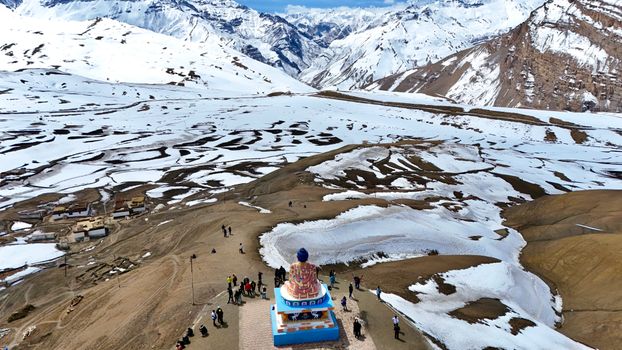
In the foothills of the Himalayas, the serene abode of the Dalai Lama offers a sanctuary for the soul. These retreats combine Tibetan Buddhist philosophies with advanced breathwork practices, fostering peace, compassion, and profound self-awareness.
- What to Expect: Daily breathwork, meditation (Vipassanā and mindfulness), yoga, dharma talks, and silent retreats. The emphasis is on cultivating inner peace and understanding the nature of the mind.
- Pro-Tip: Visit the Tsuglagkhang Complex (the Dalai Lama's temple) early in the morning to experience its serene atmosphere before the crowds arrive. The scent of juniper incense is truly transportive.
- The Vibe: Peaceful, contemplative, wise, and deeply compassionate.
3. Alpine Alchemy: Zermatt, Switzerland
For those seeking a more luxurious and structured experience, the Swiss Alps offer breathtaking retreats. Imagine waking up to the iconic silhouette of the Matterhorn and spending your days immersed in breathwork and mindful movement, followed by gourmet, health-conscious meals.
- What to Expect: Private and group breathwork sessions, therapeutic yoga, mindful hiking, spa treatments, and nutrition workshops. The focus is on holistic well-being and rejuvenation in a stunning natural setting.
- Insider's Secret: Many of these high-end resorts offer private guided hikes with breathwork stops at panoramic viewpoints. The crisp, clean air here is unlike anywhere else.
- The Vibe: Elegant, invigorating, pristine, and deeply restorative.
4. Rocky Mountain Resonance: Colorado, USA
The majestic Rocky Mountains provide a dramatic and accessible setting for transformative breathwork journeys. These retreats often focus on overcoming personal limitations and tapping into inner strength, mirroring the resilience of the mountain landscape.
- What to Expect: Breathwork sessions, guided hikes, mindfulness exercises, journaling, and often adventure activities like kayaking or rock climbing (depending on the retreat). The emphasis is on empowerment and personal growth.
- Pro-Tip: Look for retreats near Estes Park for easy access to Rocky Mountain National Park. The early morning light on the peaks is a sight you won't forget.
- The Vibe: Empowering, wild, adventurous, and deeply connected to nature.
Mastering the Mountain Air: Practicalities and Preparations
Embarking on a high-altitude breathwork retreat requires a bit more forethought than your average getaway. The travel advisors at Tripsora emphasize these crucial aspects:
Quick Facts: High-Altitude Breathwork Retreats
| Feature | Estimated Cost ($USD) | Best Time to Visit | How to Get There |
| :----------------- | :-------------------- | :------------------------------------------------- | :---------------------------------------------------------------------------------------------------------------- |
| Sacred Valley, Peru | $1,800 - $4,000+ | April-October (Dry Season) | Fly into Cusco (CUZ), then private transfer or taxi (approx. 1.5-2 hours). |
| Dharamshala, India | $1,000 - $3,000+ | March-June & September-November (Pleasant weather) | Fly into Gaggal Airport (DHM), then taxi (approx. 1 hour). Alternatively, fly to Delhi (DEL) and take a bus/train. |
| Zermatt, Switzerland| $3,500 - $7,000+ | June-September (Summer), December-March (Ski) | Fly into Geneva (GVA) or Zurich (ZRH), then train to Täsch, and a shuttle train to Zermatt (car-free village). |
| Colorado, USA | $1,500 - $3,500+ | June-September (Summer), December-March (Winter) | Fly into Denver International Airport (DEN), then rent a car or shuttle to mountain towns (e.g., Aspen, Vail). |
Pro-Tip:
Always book your flights to arrive a day or two before your retreat begins to allow for acclimatization, especially if traveling from sea level.
The Altitude Adjustment:
- Hydration is Key: Drink significantly more water than usual. Avoid alcohol and excessive caffeine, which can exacerbate altitude symptoms.
- Pacing Yourself: Don’t push yourself too hard physically in the first few days. Listen to your body.
- Nutrition Matters: Opt for light, easily digestible meals. High-altitude can affect digestion.
- Consult Your Doctor: If you have any pre-existing respiratory or cardiovascular conditions, it's crucial to consult with your physician before booking.
Packing for Peaks and Peace:
- Layers are Essential: Mountain weather can change rapidly. Pack breathable base layers, insulating mid-layers, and a waterproof/windproof outer shell.
- Comfortable Footwear: Sturdy hiking boots are a must.
- Sun Protection: The sun is more intense at higher altitudes. Bring sunscreen, a wide-brimmed hat, and sunglasses.
- Journal and Pen: For capturing insights and reflections.
- Personal Breathwork Tools: A comfortable eye mask or a favorite shawl can enhance your practice.
Beyond the Breath: Integrating the Experience
The true magic of these retreats isn't just the breathwork itself, but the integration into your daily life. The travel advisors at Tripsora always stress the importance of carrying the lessons learned back home.
- Mindful Mornings: Start your day with a few minutes of conscious breathing, even if it’s just five minutes.
- Nature Connection: Seek out green spaces in your city. Even a local park can offer a semblance of the peace you found.
- Journaling Practice: Continue to document your thoughts and feelings. It’s a powerful tool for self-discovery.
- Community: Connect with fellow retreat-goers. The bonds formed can be incredibly supportive.
Insider’s Perspective:
Many retreats offer post-retreat online sessions or community forums. Don't underestimate the power of continued connection and support.
Your High-Altitude Journey Awaits
Stepping into the crisp, thin air of a high-altitude location and intentionally engaging in breathwork is an experience that transcends mere travel. It's a profound act of self-care, a journey to the core of your being, guided by the wisdom of the mountains and the expertise of seasoned travel advisors.
The scent of pine, the vast expanse of the sky, the quiet hum of your own breath – these are the sensory anchors that will ground you long after you’ve descended. So, if you’re seeking a transformation that resonates deep within your soul, listen to the whisper of the wind. It’s calling you to the peaks.
---