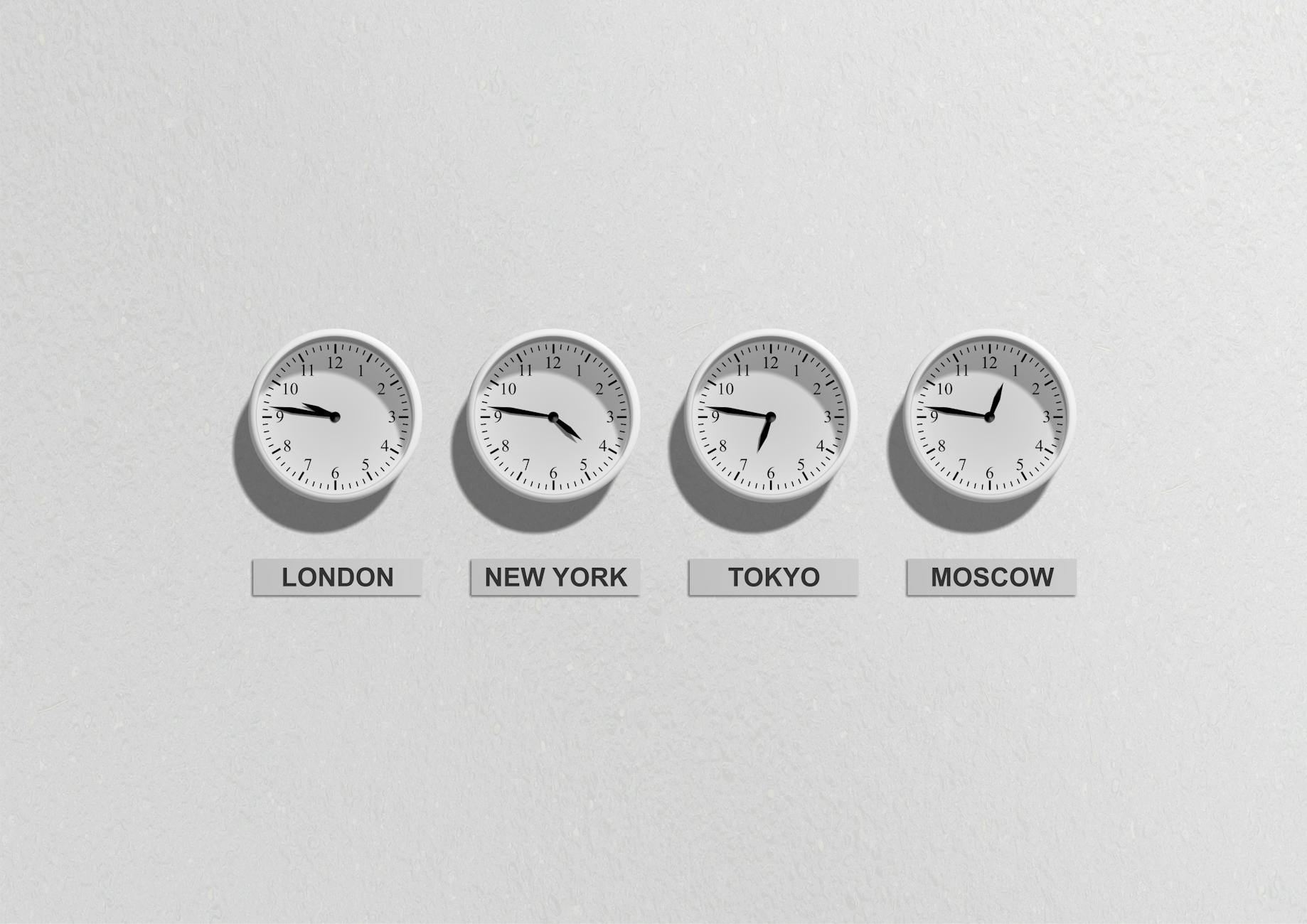
I stepped off the overnight train into the crisp, pre-dawn air of Kyoto. The scent of damp earth and the faint, sweet perfume of cherry blossoms – a promise of spring – filled my lungs. Even at 5 AM, the city hummed with a quiet energy, a gentle stirring that felt both ancient and incredibly alive. This, I thought, is the beauty of being truly present, no matter where in the world your work takes you. But for those of us navigating the complex dance of global business, "presence" often means finding that elusive sweet spot where continents can connect. In March 2026, with its unique daylight saving shifts and evolving work patterns, mastering time zones isn't just about avoiding awkward early morning or late-night calls; it's about unlocking peak productivity and fostering genuine connection across borders.
The March 2026 Time Zone Tango: A Global Symphony
March is a fascinating month for international work. It’s a bridge between winter inertia and spring's renewed vigor, and for many, it marks the beginning of daylight saving time (DST). This is crucial because DST shifts aren't uniform. Europe, for instance, typically springs forward the last Sunday in March. The US, however, usually starts DST the second Sunday in March. This means that for a significant portion of the month, you’ll be dealing with a shifting landscape of time differences. Understanding these nuances is the first step to mastering your March 2026 global schedule.
Navigating the US-Europe Divide
The classic transatlantic challenge. In March 2026, before Europe’s DST kicks in (generally late March), the difference is usually 5 hours (e.g., London is 5 hours ahead of New York). Once Europe springs forward, this gap widens to 6 hours.
- The Sweet Spot: The most productive overlap for US East Coast and Western Europe typically falls between 9 AM - 12 PM EST (which translates to 2 PM - 5 PM GMT/CET before DST, and 3 PM - 6 PM GMT/CET after DST). This window allows for late morning meetings on the US side and mid-afternoon to early evening calls in Europe.
- US West Coast Considerations: Add three hours to the EST times. So, 9 AM - 12 PM PST (12 PM - 3 PM EST) becomes 2 PM - 5 PM GMT/CET (before DST) and 3 PM - 6 PM GMT/CET (after DST). This means the late afternoon for the West Coast aligns with Europe's late morning/early afternoon.
- Pro-Tip: For critical discussions, aim for a 10 AM EST / 3 PM CET call. This is a solid, mid-day slot for both regions, minimizing the feeling of being "too early" or "too late."
Bridging the Atlantic and Pacific: US to Asia
This is where things get truly interesting. The time difference between the US and major Asian hubs like Tokyo, Seoul, or Shanghai can be a significant 12-15 hours.
- The Early Bird (US) Gets the Asia Worm: For US East Coast teams, the most practical window to connect with Asia is often during their late afternoon or early evening. This means 4 PM - 7 PM EST could align with 5 AM - 8 AM JST/KST/CST the next day.
- The Night Owl (US) Connects with Asia: Conversely, if you're a night owl on the US West Coast, 8 PM - 11 PM PST might align with 11 AM - 2 PM JST/KST/CST the next day.
- Pro-Tip: Schedule a recurring "Asia Sync" for your team on a Thursday afternoon EST. This allows you to touch base with Asia for their Friday morning, giving them the whole day to action any follow-ups before their weekend. For your team, it's a late-day wrap-up.
The Trilateral Challenge: US, Europe, and Asia
This is the ultimate scheduling puzzle. Finding a time that works for all three is a feat of logistical mastery.
- The "Almost" Overlap: There isn't a perfect, universally ideal window for all three. However, a very narrow window might exist for those willing to stretch. Consider 8 AM - 9 AM PST (11 AM - 12 PM EST / 4 PM - 5 PM GMT/CET / 12 AM - 1 AM JST/KST/CST - the next day). This is incredibly early for the US West Coast, mid-day for Europe, and late night for Asia.
- The "Next Day" Advantage: A more realistic approach involves leveraging the "next day" for one or more regions. For instance, a 4 PM CET (Europe) call could be 10 AM EST (US East Coast) and 7 AM PST (US West Coast), but it would be 11 PM - 12 AM JST/KST/CST in Asia. This is late for Asia, but manageable for a crucial weekly sync.
- Pro-Tip: For trilateral meetings, embrace asynchronous communication as much as possible. Record key discussions, share detailed meeting minutes, and use collaborative tools extensively. Prioritize live calls for critical decision-making or brainstorming.
Beyond the Clock: Strategic Scheduling for March 2026
Simply knowing the time difference isn't enough. To truly excel, you need to embed time zone awareness into your team's DNA.
Embracing Asynchronous Workflows
The rise of remote and hybrid work has made asynchronous communication not just a convenience, but a necessity.
- Detailed Documentation: When you can't have a live call, your written communication must be crystal clear. Use project management tools (like Asana, Trello, or Monday.com) to assign tasks, set deadlines, and provide context.
- Video Messages: Tools like Loom or Vidyard allow you to record short video explanations, demos, or updates. This adds a personal touch and can clarify complex points far better than text alone.
- Pro-Tip: Create a "Global Communication Guide" for your team. Outline preferred methods for different types of communication (urgent, informational, brainstorming) and specify expected response times based on time zones.
Leveraging the "Shoulder" Hours
Don't dismiss the early mornings or late evenings. These "shoulder" hours can be incredibly productive if managed strategically.
- The Early Bird's Advantage: For those in Europe or Asia, an early morning call can set the tone for the entire day. If you’re in the US, dedicating one or two mornings a week to an early call with Europe can be highly effective.
- The Night Owl's Focus: For US-based individuals working with Asia, the quiet of the night can be a period of deep focus. Use this time to catch up on emails, prepare for upcoming calls, or work on detailed reports without interruption.
- Pro-Tip: Schedule "focus blocks" in your calendar and communicate them to your team. This signals when you're available for spontaneous chats and when you need uninterrupted work time, regardless of the clock.
Understanding Daylight Saving Time Nuances in March 2026
As mentioned, March is a transition month.
- US DST: Typically begins the second Sunday in March. In 2026, this would be March 8th.
- European DST: Typically begins the last Sunday in March. In 2026, this would be March 29th.
- The Critical Window: From March 8th to March 28th, 2026, you’ll have a period where the US is on DST, but Europe is not. This means the time difference will be one hour less than the standard post-DST difference. For example, if London is usually 5 hours ahead of New York, during this window, it will be only 4 hours ahead.
- Pro-Tip: Mark these DST transition dates clearly on your team's shared calendars. Use a world clock app that automatically updates for DST changes to avoid any confusion.
Tools and Tactics for Seamless Global Work
Technology is your best friend in this time zone game.
Essential Time Zone Tools
- World Time Buddy: An indispensable tool for comparing time zones and finding overlapping working hours. It even accounts for DST.
- Google Calendar/Outlook Calendar: Utilize their features for scheduling meetings across different time zones and enabling "show me as busy" for your focus blocks.
- Time Zone Converters (Online): Quick checks are always useful. Sites like `timeanddate.com` are invaluable.
- Slack/Teams Status Updates: Encourage team members to update their status with their current availability or time zone to provide quick context.
Quick Facts: March 2026 Global Collaboration Snapshot
| Region | Key Time Zones (March 2026) | Best Overlap for Live Calls (EST) | Considerations for March 2026 |
| :-------------- | :-------------------------------------------------------- | :------------------------------------------------------------------------------------------------- | :--------------------------------------------------------------------------------------------- |
| North America | EST (UTC-5), EDT (UTC-4 from March 8th), CST (UTC-6), CDT (UTC-5 from March 8th), PST (UTC-8), PDT (UTC-7 from March 8th) | 9 AM - 12 PM EST | DST begins March 8th, shifting all US time zones forward by one hour. |
| Europe | GMT (UTC+0), CET (UTC+1), CEST (UTC+2 from March 29th) | 2 PM - 5 PM GMT/CET (before March 29th); 3 PM - 6 PM GMT/CET (after March 29th) | DST begins March 29th, shifting European time zones forward by one hour. |
| Asia | JST (UTC+9), KST (UTC+9), CST (UTC+8) | 4 PM - 7 PM EST (next day in Asia: 5 AM - 8 AM) | No DST changes, providing a stable reference point. |
| Trilateral | N/A | Extremely narrow window; often requires next-day scheduling for one region. See detailed breakdown. | The DST shift in the US and Europe creates a dynamic difference that must be tracked. |
Estimated Costs ($):
Varies wildly based on industry and location. However, tools like World Time Buddy and calendar integrations are generally free. Premium features for project management tools can range from $10-$50+ per user per month.
Best Time to Visit (for leisure, not work!):
March offers pleasant weather in many parts of Europe and Asia, avoiding peak summer crowds. For the US, it's spring break season in many warmer areas.
How to Get There:
Global travel is readily available via air. Consider flight times that align with your work needs if you're a digital nomad.
Cultivating a Global Mindset
Working across time zones is more than just a logistical challenge; it's an exercise in empathy and cultural intelligence.
- Respect Local Holidays: Always be aware of public holidays in your colleagues' regions. A planned meeting on a national holiday is a recipe for frustration.
- Be Mindful of Work-Life Balance: Even with the best scheduling, late-night or early-morning calls can impact well-being. Encourage your team to set boundaries and avoid over-scheduling.
- Communicate Your Availability Clearly: Use your calendar and status messages proactively. If you’re unavailable for a block of time due to a personal commitment or a different time zone's working hours, make it known.
- Pro-Tip: Start your team meetings by asking everyone to share their local time and a brief "how are you doing today?" This simple act fosters connection and acknowledges the different realities everyone is operating in.
March 2026 presents a unique opportunity to refine your global working strategies. By understanding the DST shifts, embracing asynchronous communication, and leveraging the right tools, you can transform the challenge of time zones into a competitive advantage. So, as you plan your calls and project timelines, remember the goal: not just to connect, but to collaborate effectively, efficiently, and empathetically, no matter the hour.