Set up before you land
The cities of East Asia are some of the easiest places to travel once you have a few tools ready. Here is a short setup list.
1. A data plan
A travel eSIM or local SIM lets you use maps and translation from the moment you land. Check that your phone is unlocked and supports eSIM before you buy.
2. A transport card
- Tokyo: Suica, Pasmo or ICOCA cards, available in Apple and Google wallets in many cases.
- Seoul: T-money, sold at convenience stores and airports.
- Hong Kong: An Octopus card, which also pays at shops.
- Singapore: Contactless bank cards work directly on the MRT and buses.
3. Offline maps and translation
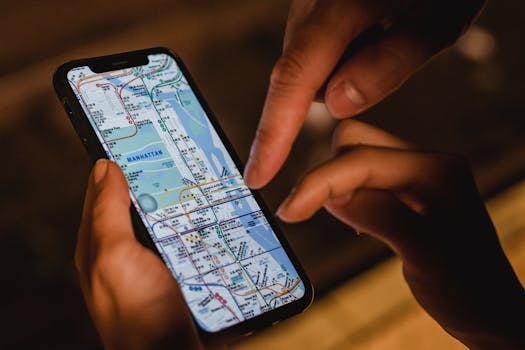
Download offline maps for each city. For translation, camera-based apps can read menus and signs. Always double-check anything related to allergies with a human or a written card in the local language.
4. Payments
Carry a mix: a contactless card, a backup card and a little cash. Some small restaurants in Japan are cash-only. In mainland China, set up Alipay or WeChat Pay with a foreign card before you travel if you can.
5. Luggage and logistics
Use coin lockers at major stations, or Japan's luggage forwarding services, so you can explore light. Hotels will often hold bags after check-out.
Safety and common sense
Public transport is generally safe, but keep valuables close in crowds. Learn the local emergency numbers and keep a copy of your passport.
Making the most of it
Book popular attractions online, since many sell out. Leave gaps in your day for wandering. The best things in these cities are often between the tickets.
Apps, prices and entry rules change, so check official sources before you travel.